
Samsung

Compare models
Differences at a glance
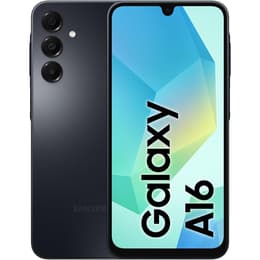
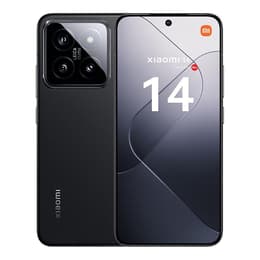
The Samsung Galaxy A16 and the Xiaomi 14 represent distinct segments within the smartphone market, offering different experiences tailored to varying user priorities. The Galaxy A16, released in late 2024, is positioned as a capable mid-range device, while the Xiaomi 14, launched in late 2023 globally in early 2024, stands as a compact flagship. Key differentiators include their processing power, camera capabilities, and overall software support timelines, with both running on the Android operating system but featuring different custom interfaces.
Colour
Storage
When considering the longevity of these devices, several factors come into play, including their release timelines, software support, and physical durability.
Year of Release
OS
Foldable
The performance of a smartphone is largely dictated by its internal components, affecting everything from app loading to multitasking and gaming.
The visual experience on a smartphone is heavily influenced by its display technology, resolution, and brightness capabilities.
Resolution
The camera systems on these smartphones offer different strengths, catering to various photography and videography needs.
Beyond the core specifications, several practical features and design elements contribute to the overall user experience.
Weight
Screen size (in)
Network
SIM card
Carrier compatibility
User feedback indicates that the Xiaomi 14 is widely praised for its exceptional performance, driven by its high-end processor, making it suitable for demanding applications and gaming. Its advanced camera system, co-engineered with Leica, receives frequent commendation for producing high-quality photos and videos. Users also appreciate its vibrant, high-refresh-rate display and rapid charging capabilities. However, some users have noted that its HyperOS interface can be overwhelming due to the sheer volume of features and occasional bloatware. [5, 17, 20]
The Samsung Galaxy A16 is often lauded for its impressive software support, with a commitment to six years of updates, offering excellent long-term value. Its Super AMOLED display and extended battery life are also frequently highlighted as strong points for everyday use. Conversely, common criticisms revolve around its mid-range processor, which can lead to occasional performance stuttering, particularly with intensive tasks. The absence of a headphone jack and the less advanced camera system compared to higher-end devices are also noted by some users. [8, 14, 15, 19, 21, 35, 36]
Users prioritizing top-tier performance, a compact design, and advanced camera features for photography and videography will find the Xiaomi 14 well-suited to their needs. Its fast charging and premium build materials also appeal to those seeking a flagship experience. Conversely, users who prioritize long-term software support, a reliable battery for all-day use, and a clean, stable software experience for general tasks may prefer the Samsung Galaxy A16. Both devices offer compelling options, and considering a quality-assured refurbished option for either model can provide an eco-friendly alternative for making an informed, sustainable choice.