
Samsung

Compare models
Differences at a glance
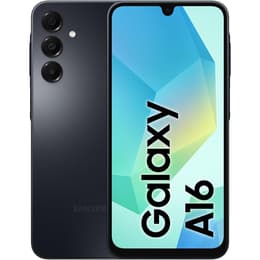
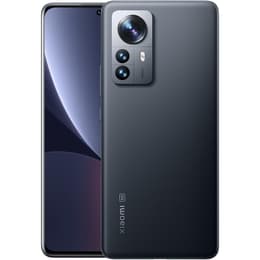
The Samsung Galaxy A16, released in late 2024 and early 2025, and the Xiaomi 12T Pro, launched in late 2022, represent different segments and release timelines within the smartphone market. While both devices operate on the Android platform, the Xiaomi 12T Pro was positioned as a high-performance device at its launch, whereas the Galaxy A16 serves as a more recent, yet more accessible, option. Key differentiators lie in their processing power, camera capabilities, and long-term software support.
Colour
Storage
The expected lifespan of a smartphone is influenced by its build quality, software support, and the availability of replacement parts. These two devices offer different propositions in terms of longevity.
Year of Release
OS
Foldable
Performance is a significant area of distinction between these two smartphones, largely due to their differing hardware generations and market positioning.
The visual experience on a smartphone is heavily influenced by its display, and both the Galaxy A16 and Xiaomi 12T Pro offer vibrant screens with distinct characteristics.
Resolution
Screen type
Camera capabilities are a key consideration for many users, and these two devices approach photography with different hardware and software philosophies.
Beyond core features, several practical elements contribute to the overall user experience and differentiate these two smartphones.
Weight
Screen size (in)
Network
SIM card
Carrier compatibility
The Samsung Galaxy A16 and Xiaomi 12T Pro cater to different user priorities, reflecting their distinct market positions and release timelines. The Xiaomi 12T Pro, a former high-performance device, is often praised by users for its powerful processing capabilities, making it well-suited for demanding applications and mobile gaming. Its rapid 120W charging is a frequent highlight, allowing for quick power-ups. However, some users have noted that its secondary cameras do not match the performance of the main sensor, and some reports mention occasional software sluggishness or battery drain over time.
The Samsung Galaxy A16, a more recent mid-range offering, receives commendation for its extended software support, promising six years of updates, which is a significant advantage for long-term usability. Its Super AMOLED display and decent main camera for everyday photos are also generally well-regarded. Conversely, common criticisms include reports of lag and stuttering, particularly with heavy use, and less impressive low-light camera performance. The absence of optical image stabilization and stereo speakers are also noted by users.
Users prioritizing raw performance, fast charging, and a high-resolution main camera for well-lit conditions may find the Xiaomi 12T Pro better suited to their needs. Its robust processor and quick charging capabilities make it ideal for power users and those who frequently engage with intensive media or gaming. Conversely, individuals who value long-term software support, a reliable display for general use, and expandable storage might lean towards the Samsung Galaxy A16. This device is a practical choice for users seeking a dependable smartphone experience over an extended period, especially as a quality-assured refurbished option. Considering refurbished options for either device can provide an eco-friendly alternative for consumers looking to make informed purchasing decisions.