

Compare models
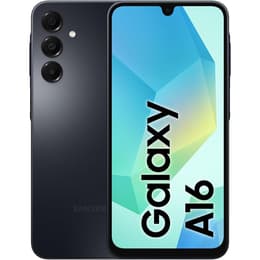
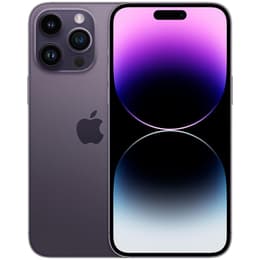
Galaxy A16 Vs iPhone 14 Pro Max
- 1-year minimum warranty
- Free delivery on all orders
- Free 30-day returns
Differences at a glance
The Samsung Galaxy A16 (2024) and the Apple iPhone 14 Pro Max (2022) occupy very different tiers in the smartphone market, catering to distinct user preferences, software ecosystems, and hardware expectations. While the Galaxy A16 represents an accessible, contemporary approach to everyday mobile computing running on the Android operating system, the iPhone 14 Pro Max delivers high-end performance, sophisticated camera engineering, and premium materials within Apple's iOS ecosystem.
The primary differentiators between these two devices lie in their processing capabilities, display technology, software platforms, and overall feature sets, making them suited for entirely different daily requirements.
Available Models
Colour
Storage
Scores
Durability
When examining longevity and structural endurance, both devices offer robust support structures, though their expected lifespans and update pathways reflect their respective market positions.
- Software support timelines: The Galaxy A16 benefits from an extended software support policy covering multiple years of security patches and system upgrades, while the iPhone 14 Pro Max typically receives Apple's comprehensive system updates for a long duration given its hardware tier.
- Repairability and build maintenance: Both models feature standardized repair pathways through authorized channels, though the choice of a quality-assured refurbished option provides a sustainable pathway to extending the operational life of high-tier hardware like the iPhone.
- Expected practical lifespan: The iPhone 14 Pro Max retains performance headroom for demanding workloads over many years, whereas the Galaxy A16 is well-suited for standard, day-to-day longevity without over-provisioning resources.
Year of Release
2024
2022
OS
Android
iOS
Foldable
No
No
Performance
System performance and responsiveness vary notably between these devices, reflecting the differences in their internal hardware configurations and software optimization.
- Multitasking and daily speed: The iPhone 14 Pro Max handles intensive multi-application workflows, demanding games, and complex rendering tasks smoothly, while the Galaxy A16 efficiently manages everyday tasks such as web browsing, messaging, and media streaming.
- Storage and memory management: Both models offer varied storage configurations to accommodate media libraries and applications, paired with optimized random access memory capacity to keep active tasks running fluidly in the background.
- Battery behavior: The iPhone 14 Pro Max features a large battery capacity optimized for extended heavy usage throughout a full day, whereas the Galaxy A16 offers balanced power consumption that easily manages standard daily routines.
Screen quality
Display characteristics shape the visual experience significantly, offering distinct panel technologies, brightness profiles, and interactive smoothness.
- Display technology: Both devices utilize vibrant panel technology ensuring sharp text rendering and deep contrast, though the iPhone 14 Pro Max incorporates advanced adaptive refresh rate technology for smoother scrolling animations.
- Outdoor visibility: The iPhone 14 Pro Max achieves exceptionally high peak brightness levels for clear visibility under direct sunlight, while the Galaxy A16 provides adequate brightness for comfortable outdoor legibility.
- Screen size and immersion: The large display estate on the iPhone 14 Pro Max provides an expansive canvas for media consumption and document viewing, complemented by the Galaxy A16's comfortable viewing proportions.
Resolution
1080x2340
1290 x 2796
Screen type
Super AMOLED
LTPO Super Retina XDR OLED
Audiovisual
Imaging capabilities and multimedia output differ substantially, providing varied tools for photography, video recording, and audio playback.
- Camera system versatility: The iPhone 14 Pro Max features a multi-lens setup including a high-resolution main sensor, ultra-wide option, and a dedicated telephoto lens for optical zoom, whereas the Galaxy A16 focuses on core everyday photography essentials.
- Low-light and video performance: Advanced sensor hardware on the iPhone 14 Pro Max captures intricate detail in challenging lighting conditions and records stabilized professional-grade video, while the Galaxy A16 handles casual snapshots and standard video calling reliably.
- Audio and media output: Stereo speaker configurations on both devices deliver clear sound for hands-free calls and casual video viewing, with the iPhone variant offering a wider soundstage.
Miscellaneous
Practical daily usability elements, physical dimensions, and connectivity standards define how each phone integrates into a user's routine.
- Connectivity and ports: Both models support modern network standards including fast mobile data and Wi-Fi connectivity, utilizing distinct proprietary or universal connection ports for charging and data transfer.
- Security and authentication: The iPhone 14 Pro Max utilizes advanced facial recognition technology for secure unlocking, while the Galaxy A16 incorporates a convenient fingerprint sensor integrated into the side frame.
- Physical handling: The Galaxy A16 offers a lighter profile for comfortable one-handed operation, whereas the iPhone 14 Pro Max features a heavier, larger chassis constructed with durable glass and metal materials.
Weight
200 g
120 g
Screen size (in)
6.7
6.7
Network
4G
5G
SIM card
Physical SIM
Physical SIM + eSIM
Carrier compatibility
Unlocked
Unlocked
Connector
USB-C
Lightning
What the community thinks
Choosing between the Samsung Galaxy A16 and the iPhone 14 Pro Max depends heavily on individual workflow habits, software preferences, and hardware priorities. Users prioritizing advanced photographic versatility, robust processing power for heavy applications, and an expansive high-refresh-rate display will find the iPhone 14 Pro Max well-suited to their needs. Conversely, users who value a lightweight daily device focused on core communication, long-term software support, and everyday efficiency may lean toward the Galaxy A16.
For consumers seeking an eco-friendly alternative, choosing a quality-assured refurbished model provides a sustainable approach to acquiring high-end technology without compromising on reliability. Ultimately, evaluating daily computing tasks against each device's core strengths will guide a practical and satisfying decision.