

Samsung

Compare models
Differences at a glance
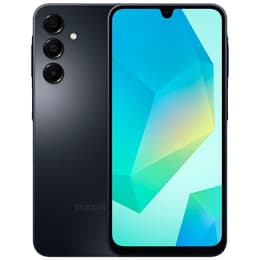
The Google Pixel 7, released in October 2022, and the hypothetical Samsung Galaxy A16, anticipated for late 2025 or early 2026, represent distinct approaches to the smartphone experience. While the Pixel 7 offers a premium feature set with a focus on advanced computational photography and a streamlined Android experience, the Galaxy A16 is expected to deliver a more accessible, feature-rich mid-range option. These differences extend to their core specifications, software longevity, and overall user interaction.
Colour
Storage (GB)
When considering the long-term usability of a smartphone, factors like release age, software support, and physical resilience are key. The Pixel 7, being an older device, has a different longevity outlook compared to a newer, mid-range offering like the anticipated Galaxy A16.
Year of Release
Compatible with latest Update
OS
Foldable
Performance is a critical aspect of any smartphone, influencing how smoothly applications run and how efficiently daily tasks are handled. The Pixel 7 and the anticipated Galaxy A16 offer different levels of processing power and storage configurations.
The display is the primary interface for smartphone interaction, and both devices offer distinct visual experiences tailored to their respective categories.
Resolution
Screen type
Camera capabilities are a significant consideration for many smartphone users, and both the Pixel 7 and the anticipated Galaxy A16 approach photography with different strengths.
Main camera
Front camera
Beyond the core features, several practical elements contribute to the overall user experience and daily convenience of a smartphone.
Weight
Screen size (in)
Network
SIM card
Carrier compatibility
The Google Pixel 7 and the anticipated Samsung Galaxy A16 cater to different user priorities, reflecting their respective market positions. Users frequently praise the Pixel 7 for its exceptional camera performance, often highlighting its ability to capture stunning photos in various conditions, and its clean, intuitive Android experience. However, some users have noted concerns regarding its battery life, with heavy usage sometimes requiring a mid-day charge, and the in-display fingerprint sensor occasionally being less responsive than desired.
For the Galaxy A16, based on trends from its predecessors, common praise points are expected to include its reliable everyday performance, long-lasting battery, and the inclusion of expandable storage. Potential criticisms might revolve around its mid-range processor not matching the raw power of more premium devices, or its camera performance in challenging lighting conditions. User sentiment for Samsung's A-series often points to their solid overall value and consistent user experience.
Users prioritizing a top-tier camera experience, a streamlined Android interface with prompt updates, and a premium build quality may find the Google Pixel 7 well-suited to their needs. Conversely, users who value extended software support from a newer device, expandable storage, and a robust battery for all-day use, while still seeking a capable and modern smartphone, may lean toward the anticipated Samsung Galaxy A16. Both devices offer compelling features, and choosing between them depends on individual preferences for performance, photography, and overall longevity. Exploring quality-assured refurbished options for either model can also provide an eco-friendly alternative for consumers.