

Galaxy A15 Vs Galaxy Z Fold4

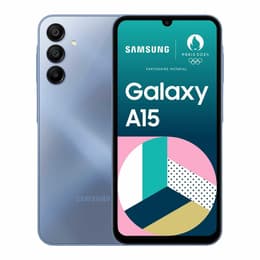
Galaxy A15
Galaxy A15
Starting at

Refurbished price:124.00

Versus €189.00 new

See options
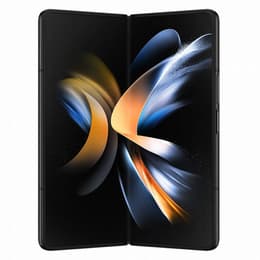
Galaxy Z Fold4
Galaxy Z Fold4
Starting at

Refurbished price:433.00

Versus €1,889.00 new

See options

Ratings

The Samsung Galaxy A15, released in late 2023, and the Samsung Galaxy Z Fold4, launched in August 2022, represent distinct approaches to smartphone design and functionality. While the A15 offers a traditional smartphone experience focused on essential features, the Z Fold4 introduces a foldable form factor, transforming from a compact device into a larger tablet-like display. These differences cater to varied user needs, with the A15 prioritizing straightforward usability and the Z Fold4 emphasizing multitasking and an expansive viewing area.

Scores

Durability

The practical lifespan of a smartphone is often influenced by its release timeline, software support, and physical resilience. The Galaxy A15, being a newer device, benefits from a longer projected software support window compared to the Z Fold4.

  • Release Timeline: The Galaxy A15 was released in December 2023, while the Galaxy Z Fold4 launched in August 2022. This difference means the A15 will receive software updates for a longer period. [2, 8, 11, 1]
  • OS Support: The Galaxy A15 is promised four major Android OS upgrades, extending its support until Android 18, along with five years of security patches until 2028. The Galaxy Z Fold4 also received four major Android OS updates, up to Android 16, and five years of security updates, concluding around 2027. [2, 8, 14, 18, 1, 10, 25]
  • Physical Durability: The Galaxy A15 features a glass front with a plastic back and frame, and some variants include AGC Dragontrail Protection for the display. The Galaxy Z Fold4, designed with a more complex folding mechanism, incorporates an Armor Aluminum frame and Gorilla Glass Victus+ on its cover display and back for enhanced resilience. [13, 27, 17, 1, 23]

Year of Release

2023

2022

Compatible with latest Update

Yes

Yes

OS

Android

Android

Foldable

No

Yes

Performance

Performance in smartphones is determined by a combination of processing power, memory, and storage capabilities, impacting how smoothly applications run and how efficiently tasks are handled. The Galaxy A15 and Z Fold4 offer different levels of responsiveness tailored to their intended use cases.

  • Processing Power: The Galaxy A15 handles everyday applications and general browsing smoothly, suitable for typical smartphone usage. The Galaxy Z Fold4, equipped with a more advanced processor, delivers a highly responsive experience, excelling in demanding applications, intensive gaming, and seamless multitasking across its larger display. [2, 7, 8, 13, 17, 36, 1, 3, 21, 22, 39]
  • Multitasking and Responsiveness: The Galaxy A15, with its available RAM configurations, manages standard multitasking effectively, though users might notice slight delays with numerous applications open. The Galaxy Z Fold4, featuring a larger amount of RAM, provides a fluid multitasking environment, allowing users to switch between multiple applications and run complex software without noticeable slowdowns. [2, 11, 17, 27, 1, 3, 21, 22, 36]
  • Storage and Battery Behavior: Both devices offer various internal storage options, with the A15 providing expandable storage via microSD. The Galaxy A15 is known for its extended battery life, often lasting a full day or more for many users. The Galaxy Z Fold4's battery capacity is designed to power its dual displays and advanced features, providing a full day of use for many, with adaptive refresh rates contributing to power efficiency. [2, 11, 27, 9, 11, 27, 28, 36, 1, 3, 21, 23, 26, 30, 29]

Memory (GB)

4 GB

12 GB

Screen quality

The display is a primary interaction point, and both the Galaxy A15 and Z Fold4 offer distinct visual experiences, catering to different preferences for size, technology, and clarity.

  • Display Technology and Clarity: The Galaxy A15 features a 6.5-inch Super AMOLED display, providing vibrant colors and deep blacks with a Full HD+ resolution, offering clear visuals for daily content consumption. The Galaxy Z Fold4 boasts two Dynamic AMOLED 2X displays: a 6.2-inch cover screen and a 7.6-inch foldable inner screen, both delivering exceptional color accuracy, contrast, and sharpness, with the inner display offering a significantly larger canvas. [2, 4, 7, 8, 13, 16, 17, 1, 3, 5, 19, 20, 24]
  • Brightness and Refresh Rate: The A15's display reaches up to 800 nits of brightness, ensuring good visibility in various lighting conditions, and features a 90Hz refresh rate for smoother scrolling. The Z Fold4's displays offer higher peak brightness, reaching up to 1200 nits on the main screen, enhancing outdoor visibility. Both screens on the Z Fold4 feature an adaptive refresh rate that can scale from 1Hz to 120Hz, providing fluid motion while optimizing power consumption. [2, 4, 7, 8, 13, 16, 17, 44, 1, 5, 19, 20, 24, 29]
  • Viewing Experience: The A15 provides a traditional, immersive viewing experience for videos and browsing on its single, flat screen. The Z Fold4's unique foldable design allows for a versatile viewing experience, offering a standard smartphone form factor when closed and expanding into a near-tablet size for enhanced media consumption, productivity, and gaming. [20, 24, 29]

Resolution

1080 x 2340

1812 x 2176

Screen type

Super AMOLED

Foldable Dynamic AMOLED 2X

Audiovisual

Camera capabilities are a significant factor for many users, and while both devices capture images, they do so with different hardware and feature sets designed for their respective segments.

  • Rear Camera Systems: The Galaxy A15 is equipped with a triple-camera setup, including a 50MP main sensor, a 5MP ultrawide, and a 2MP macro lens, suitable for capturing everyday moments with good detail in adequate lighting. The Galaxy Z Fold4 features a more advanced triple-camera system, comprising a 50MP main sensor with optical image stabilization (OIS), a 12MP ultrawide, and a 10MP telephoto lens with 3x optical zoom and OIS, offering greater versatility and image quality across various scenarios. [2, 4, 7, 8, 9, 11, 36, 1, 5, 12, 15, 21, 22, 30]
  • Front Camera and Video Quality: The A15 has a 13MP front camera, capable of capturing clear selfies and 1080p video at 30 frames per second. The Z Fold4 offers a 10MP camera on its cover display and a 4MP under-display camera on the main screen, providing options for video calls and selfies. The Z Fold4 also supports higher video recording resolutions, including 8K at 24fps and 4K at 60fps from its rear cameras, and 4K at 60fps from its cover display front camera. [2, 4, 7, 9, 28, 1, 5, 21, 26]
  • Photography Features: The A15 provides essential photography modes for general use. The Z Fold4's camera system benefits from advanced features like improved low-light performance, enhanced zoom capabilities, and the ability to use the main cameras for high-quality selfies by utilizing the cover screen as a viewfinder, offering a more comprehensive photographic toolset. [8, 28, 30, 35, 39]

Main camera

50 megapixels

50 megapixels

Front camera

13 megapixels

4 megapixels

Miscellaneous

Beyond core specifications, various practical elements contribute to the overall user experience, from how a device connects to its physical design and additional functionalities.

  • Connectivity and Ports: Both devices support 5G connectivity (for the A15 5G variant) and modern Wi-Fi standards, ensuring fast internet access. The Galaxy A15 includes a 3.5mm headphone jack and a USB Type-C port. The Galaxy Z Fold4 features a USB Type-C 3.2 port and lacks a headphone jack, aligning with its premium segment. [11, 27, 36, 1, 3, 21]
  • Biometrics and Sensors: Both smartphones incorporate a side-mounted fingerprint sensor for secure unlocking. The Z Fold4 also includes a barometer, which is not typically found on the A15. [11, 1, 3, 21]
  • Design and Handling: The Galaxy A15 has a traditional candy bar design, weighing around 200g, offering a comfortable grip for single-handed use. The Galaxy Z Fold4, with its foldable design, is heavier at 263g and has different dimensions when folded (thicker and narrower) versus unfolded (thinner and wider), impacting its handling and pocketability. Its unique form factor allows for a compact phone and an expansive tablet experience in one device. [7, 11, 13, 27, 1, 3, 21]

Weight

200 g

263 g

Screen size (in)

6.5

7.6

Network

4G

5G

SIM card

Dual Physical SIM

Dual Physical SIM + eSIM

Carrier compatibility

Unlocked

Unlocked

The Samsung Galaxy A15 and Galaxy Z Fold4 cater to distinct user needs, reflecting their design philosophies and feature sets. Users often praise the Galaxy A15 for its reliable battery life, vibrant Super AMOLED display, and solid camera performance for its segment. However, some users note that its processing power can feel less responsive for demanding tasks, and its bezels are more pronounced. [8, 27, 28, 31, 34, 36]

The Galaxy Z Fold4 is frequently lauded for its innovative foldable design, offering an unparalleled multitasking experience with its large inner display. Its powerful performance, improved camera system, and premium build materials are also common points of appreciation. Criticisms often revolve around the visible crease on the inner display and its relatively bulky and heavy form factor when folded. [20, 26, 29, 30, 35, 39, 42]

Users prioritizing a straightforward, dependable smartphone experience with excellent battery longevity and a good display for everyday use may find the Galaxy A15 well-suited to their needs. Conversely, individuals who require an expansive screen for productivity, immersive media consumption, or advanced multitasking, and who value cutting-edge technology, may lean toward the Galaxy Z Fold4. Both devices offer a pathway to sustainable tech choices through quality-assured refurbished options, providing an eco-friendly alternative to purchasing new. Ultimately, the choice depends on whether a user values a traditional, long-lasting experience or a versatile, innovative device that bridges the gap between a phone and a tablet.


See all articles

Our recent comparisons