

Galaxy A15 Vs Galaxy S23

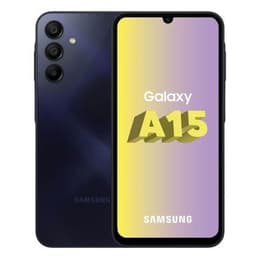
Galaxy A15
Galaxy A15
Starting at

Refurbished price:124.00

Versus €189.00 new

See options
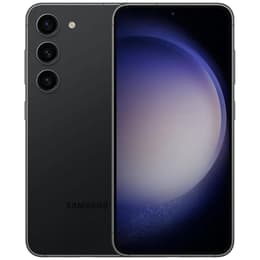
Galaxy S23
Galaxy S23
Starting at

Refurbished price:245.00

Versus €959.00 new

See options

Ratings

The Samsung Galaxy A15 and the Samsung Galaxy S23 are both Android smartphones from Samsung, yet they cater to different user expectations and offer distinct experiences. The Galaxy A15, released in December 2023, is designed for everyday functionality, while the Galaxy S23, launched in February 2023, represents a more advanced offering with enhanced capabilities. This comparison will highlight the practical differences between these two devices, focusing on how their features translate into real-world usage.

Scores

Durability

When considering the longevity of a smartphone, factors like software support and physical resilience are key. The Galaxy A15 and Galaxy S23 offer different timelines and build qualities.

  • Software Support: The Galaxy A15 is eligible for four years of Android system updates and five years of security updates, providing a solid period of software relevance [2, 27]. The Galaxy S23, released earlier, also receives four years of OS updates and five years of security updates, with support expected to conclude around 2028 [15]. This means the Galaxy A15 will receive major Android updates for a year longer than the S23.
  • Physical Durability: The Galaxy A15 features a plastic back and frame with Dragontrail Pro glass protecting the display, offering a sturdy feel for its category but lacking an official IP rating for water and dust resistance [2, 16, 17, 36]. In contrast, the Galaxy S23 boasts a more robust construction with Gorilla Glass Victus 2 on both the front and back, coupled with an Armor Aluminum frame and an IP68 rating, signifying strong resistance to dust and water immersion [6, 15].
  • Repairability: While the Galaxy A15's repairability scores are not widely published, the Galaxy S23 series has shown improvements in ease of repair compared to its predecessors, particularly concerning battery replacement, though it still received a moderate repairability rating of 4/10 from iFixit [6, 20, 43].

Year of Release

2023

2023

Compatible with latest Update

Yes

Yes

OS

Android

Android

Foldable

No

No

Performance

The performance of a smartphone significantly impacts daily interactions, from launching applications to managing multiple tasks. The Galaxy A15 and Galaxy S23 are equipped with different internal components that result in varied user experiences.

  • Processing Power: The Galaxy A15 is powered by a processor designed for efficient everyday use, handling common applications and light tasks smoothly [2]. Users generally find it competent for basic functions, though some report that heavy multitasking or numerous installed applications can lead to slower responsiveness [18, 29]. The Galaxy S23, on the other hand, features a high-performance processor engineered for demanding applications, intensive gaming, and seamless multitasking, providing a consistently fluid and responsive experience [15, 34].
  • Storage and Multitasking: The Galaxy A15 typically comes with 4GB or 6GB of RAM, with some regions offering 8GB, and includes expandable storage via a microSD card slot, which is beneficial for users who need ample space for media and documents [10, 16, 17, 28]. The Galaxy S23 offers 8GB of RAM as standard, facilitating robust multitasking without noticeable slowdowns, but it does not support expandable storage [8, 12, 26].
  • Battery Behavior: The Galaxy A15 is equipped with a large 5000 mAh battery, which users frequently report provides excellent endurance, often lasting a full day and well into a second day even with moderate to heavy usage [2, 16, 28]. The Galaxy S23, with its 3900 mAh battery, delivers a full day of power for most users, benefiting from efficient hardware and software optimization, and also supports wireless charging and reverse wireless charging, features not found on the A15 [19, 23, 34, 35, 38].

Memory (GB)

4 GB

8 GB

Screen quality

The display is a primary interface for any smartphone, and both the Galaxy A15 and Galaxy S23 offer vibrant viewing experiences, though with notable distinctions in technology and capabilities.

  • Display Technology and Clarity: The Galaxy A15 features a 6.5-inch Super AMOLED display, providing vibrant colors and deep blacks, with a Full HD+ resolution that ensures clear and sharp visuals for everyday content consumption [4, 5, 10, 28]. The Galaxy S23 comes with a slightly smaller 6.1-inch Dynamic AMOLED 2X display, which also offers excellent color reproduction and contrast, alongside a Full HD+ resolution that results in a higher pixel density due to its smaller size, contributing to even finer detail [1, 3, 8, 12, 22, 26].
  • Brightness and Smoothness: The Galaxy A15's screen can reach up to 800 nits of brightness in High Brightness Mode, making it suitable for most indoor and outdoor conditions, and features a 90Hz refresh rate for smoother scrolling and animations [4, 5, 17, 28]. The Galaxy S23 significantly surpasses this with a peak brightness of up to 1750 nits, ensuring exceptional visibility even in direct sunlight, and offers an adaptive refresh rate that ranges from 48Hz to 120Hz, providing a more fluid visual experience and optimizing power consumption [1, 3, 41, 42].
  • Viewing Experience: The larger screen of the Galaxy A15 offers an expansive canvas for media and browsing, while the Galaxy S23's slightly more compact display provides a more manageable size for one-handed use without compromising on visual quality.

Resolution

1080 x 2340

1080 x 2340

Screen type

Super AMOLED

Dynamic AMOLED 2X

Audiovisual

The camera systems on the Galaxy A15 and Galaxy S23 are designed to capture different levels of detail and offer varying photographic capabilities, reflecting their respective positions in the market.

  • Rear Camera Systems: The Galaxy A15 is equipped with a triple-camera setup, including a 50MP main sensor, a 5MP ultrawide lens, and a 2MP macro lens [2, 4, 5, 10, 28]. Its main camera is capable of producing detailed and vibrant photos in good lighting conditions, with colors that can appear slightly oversaturated [2, 13]. The Galaxy S23 features a more versatile triple-camera system, comprising a 50MP main sensor with optical image stabilization (OIS), a 12MP ultrawide lens, and a 10MP telephoto lens with 3x optical zoom and OIS [1, 7, 12, 21, 24]. This configuration allows for greater flexibility in capturing various scenes, from expansive landscapes to distant subjects with clarity.
  • Photography Performance: The Galaxy A15 performs competently for everyday photography, with users noting satisfactory results in well-lit environments, though its low-light performance may be less refined [13]. The Galaxy S23 excels in diverse lighting conditions, offering enhanced low-light photography, improved detail, and more accurate color reproduction, making it suitable for a wider range of photographic scenarios [7, 21, 24].
  • Video Recording and Audio: Both devices can record video at Full HD (1080p) resolution at 30 frames per second [4, 5, 11, 16, 28]. However, the Galaxy S23 elevates video capabilities significantly, supporting up to 8K video recording at 30 frames per second and 4K at 60 frames per second, along with advanced stabilization features for smoother footage [7, 24]. The audio experience on the Galaxy S23 is generally more refined, offering clearer speaker output and microphone quality for calls and media consumption compared to the A15's mono speaker [36].

Main camera

50 megapixels

50 megapixels

Front camera

13 megapixels

12 megapixels

Miscellaneous

Beyond core features, several practical elements contribute to the overall user experience and differentiate the Galaxy A15 and Galaxy S23.

  • Connectivity and Ports: The Galaxy A15 supports 5G connectivity (on the 5G model), Wi-Fi 5, and Bluetooth 5.3, and notably retains a 3.5mm headphone jack, which is a convenience for many users [10, 16, 28, 37]. It charges via a USB-C port. The Galaxy S23 offers more advanced connectivity with 5G, Wi-Fi 6E for faster wireless speeds, and Bluetooth 5.3, utilizing a USB-C port for charging and data transfer but omitting the traditional headphone jack [26].
  • Biometric Security: For secure access, the Galaxy A15 typically features a side-mounted fingerprint sensor [10]. The Galaxy S23 employs an in-display fingerprint sensor, offering a more integrated and often quicker unlocking experience.
  • Design and Handling: The Galaxy A15 has a slightly larger form factor and a plastic build, contributing to a comfortable grip but without the premium feel of glass [2, 16, 17]. The Galaxy S23, with its more compact dimensions and premium glass and aluminum construction, offers a more refined in-hand feel and a sleeker aesthetic [26]. The weight difference is also noticeable, with the S23 being lighter.

Weight

200 g

167 g

Screen size (in)

6.5

6.1

Network

4G

5G

SIM card

Dual Physical SIM

Physical SIM + eSIM

Carrier compatibility

Unlocked

Unlocked

The Samsung Galaxy A15 and Galaxy S23 offer distinct propositions for smartphone users. User feedback for the Galaxy A15 often praises its exceptional battery life, vibrant Super AMOLED display, and competent camera system for its segment [2, 16, 18, 28, 37]. Common criticisms sometimes point to its performance potentially lagging with heavy application use or extensive multitasking, and its plastic build, while sturdy, lacks the premium feel of higher-end devices [18, 29, 31].

Conversely, the Galaxy S23 is frequently lauded for its powerful performance, stunning and bright Dynamic AMOLED 2X display, and highly capable camera system that excels in various conditions, including low light [8, 19, 34, 35, 39]. While its battery life is generally considered good for its size, some heavy users might find themselves needing to charge it more frequently than the A15 [19, 39].

Users prioritizing extended battery life, a larger screen for media consumption, and the convenience of a headphone jack will find the Galaxy A15 well-suited to their needs. It serves as a reliable daily driver for communication, social media, and light gaming. For those who demand top-tier performance for demanding applications, advanced photography and videography features, a more compact and premium design, and superior screen brightness for outdoor visibility, the Galaxy S23 is the more appropriate choice.

Both models, whether new or as quality-assured refurbished options, provide a pathway to Samsung's Android ecosystem, allowing consumers to make an informed and sustainable choice based on their individual priorities.


See all articles

Our recent comparisons