

Dell Latitude 5320 13" Vs Dell Latitude 7400 14"

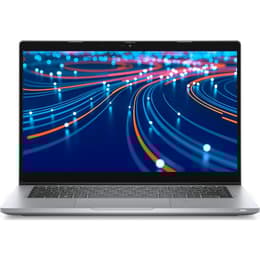
Dell Latitude 5320 13"
Starting at

Refurbished price:307.00

Versus €1,051.43 new

See options
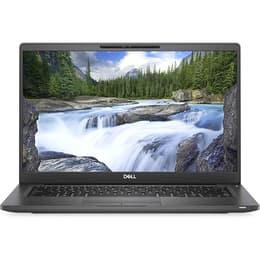
Dell Latitude 7400 14"
Starting at

Refurbished price:276.00

Versus €629.00 new

See options

Ratings

The Dell Latitude 5320 13 and the Dell Latitude 7400 14 are business-oriented laptops designed for productivity and reliability, both running on the Windows operating system. The Latitude 5320, released in 2021, offers a more recent hardware platform and a compact 13.3-inch display. In contrast, the Latitude 7400, launched in 2019, features a slightly larger 14-inch screen and was known for its robust build quality in its generation. The primary distinctions between these two models lie in their internal components, screen size, and overall design philosophy.

Scores

Durability

When considering the long-term usability of these business laptops, their release timelines and Dell's support cycles are key factors.

  • Release Timeline: The Dell Latitude 5320 was released in 2021, making it a more recent model compared to the Dell Latitude 7400, which debuted in 2019. This difference in release year directly impacts the duration of official software support and the availability of future operating system updates.
  • Software Longevity: As the newer device, the Latitude 5320 is expected to receive Windows operating system updates and security patches for a longer period than the Latitude 7400, extending its practical lifespan for users who prioritize the latest software features and security. Both models are part of Dell's Latitude series, known for their business-grade durability and repairability, often featuring accessible internal components for maintenance and upgrades.
  • Expected Practical Lifespan: While both are built for sustained use, the Latitude 5320's more modern internal architecture provides a slight advantage in terms of future-proofing against evolving software and hardware demands.

Year of Release

2021

2019

Last Os Compatibility

Yes

Yes

OS

Windows 11

Windows 11

Performance

The performance capabilities of these two Latitude models are largely influenced by their respective processor generations and available configurations.

  • Processor Capabilities: The Latitude 5320 is equipped with 11th Generation Intel Core processors, offering improved efficiency and processing power for demanding applications and multitasking. The Latitude 7400, featuring 8th Generation Intel Core processors, provides solid performance for general office tasks and everyday productivity. Users engaging in intensive computational work or frequent heavy multitasking will likely experience a more responsive system with the newer processor generation found in the 5320.
  • Memory and Storage: Both laptops typically offer configurations with up to 32GB of DDR4 RAM and fast NVMe SSD storage options, ensuring quick boot times and efficient handling of multiple applications. The storage capacities generally range from 128GB up to 1TB, providing ample space for documents and software.
  • Battery Behavior: Both models are recognized for their robust battery performance. The Latitude 5320, with its 42Wh or 63Wh battery options, can deliver significant uptime, with some configurations lasting over 13 hours during web browsing. The Latitude 7400, available with 42Wh, 60Wh, or 78Wh batteries, has also demonstrated excellent battery life, with some users reporting up to 18 hours on larger capacity options, making it suitable for extended periods away from a power source.

Memory (GB)

8 GB

16 GB

Processor

Core i5-1135G7

Core i7 - Gen 8 (U)

Graphic card

Integrated Graphics

Integrated Graphics

Screen quality

The visual experience on these laptops is defined by their display technology, resolution, and overall screen characteristics.

  • Display Technology and Resolution: Both the Latitude 5320 and Latitude 7400 typically feature Full HD (1920x1080) IPS panels, providing clear visuals and wide viewing angles suitable for productivity tasks. The Latitude 5320 has a 13.3-inch display, while the Latitude 7400 offers a slightly larger 14-inch screen, which can provide a more expansive viewing area for documents and applications.
  • Brightness and Clarity: The Latitude 5320's display often reaches brightness levels of 300 to 400 nits, with good color coverage (94-100% sRGB), contributing to a vibrant and clear image even in well-lit environments. The Latitude 7400's screen typically offers brightness between 280 and 342 nits and good sRGB coverage (98-111%), ensuring comfortable viewing for most indoor and some outdoor conditions. Both displays generally feature an anti-glare finish to reduce reflections.
  • Refresh Rate and Viewing Experience: Both models commonly come with a standard 60Hz refresh rate, which is adequate for business applications and general media consumption. Neither model is designed for high-refresh-rate gaming, focusing instead on consistent and comfortable viewing for extended work sessions.

Resolution

1920 x 1080

1920 x 1080

Screen type

LCD

IPS

Camera

Audiovisual

For communication and media consumption, the audio-visual components of these laptops offer practical functionality for business users.

  • Camera System: Both the Dell Latitude 5320 and Latitude 7400 are equipped with HD (720p) webcams, which are standard for video conferencing and online meetings. The Latitude 5320 often includes a privacy shutter for the webcam, offering an additional layer of security.
  • Microphone Quality: Both laptops integrate digital-array microphones designed to capture clear audio for calls and recordings, aiming to reduce background noise in typical office or home environments.
  • Speaker Output: The speaker systems on both models are generally tuned for clear voice reproduction during video calls and for casual media playback. User feedback for the Latitude 7400 has sometimes noted that the speakers can sound thin and lack significant volume.
  • Video Recording Quality: The 720p resolution of the webcams means video recording quality is suitable for standard online communication rather than high-definition content creation.

Miscellaneous

Beyond core performance and display, several practical elements contribute to the overall user experience of these Dell Latitude laptops.

  • Connectivity Options: The Latitude 5320 features more modern connectivity, including Thunderbolt 4 ports, along with USB-A 3.2 Gen 1, HDMI 2.0, Wi-Fi 6, and Bluetooth 5.1. The Latitude 7400 includes Thunderbolt 3, USB-A 3.1 Gen 1, HDMI 1.4a, and typically Wi-Fi 5 (802.11ac) or Wi-Fi 6, and Bluetooth 5.0. The Thunderbolt 4 on the 5320 offers higher bandwidth and versatility compared to Thunderbolt 3.
  • Port Types: Both laptops provide a comprehensive selection of ports for peripherals and external displays, including USB-A, HDMI, and a universal audio jack. They also feature microSD card readers and optional Smart Card readers for enhanced security.
  • Security Features: Both models offer security features such as optional fingerprint readers and facial recognition (via IR cameras) for convenient and secure login.
  • Weight and Dimensions: The Latitude 5320 is generally more compact and lighter, starting around 1.18 kg (2.6 lbs) for the clamshell model, making it highly portable. The Latitude 7400, with its 14-inch screen, starts around 1.35 kg (3 lbs), offering a slightly larger footprint but still maintaining a portable design for a business laptop.

Weight

1200 g

1400 g

Screen size

13

14

User feedback for the Dell Latitude 5320 often highlights its modern performance and compact design as key strengths, making it a suitable choice for users who need a responsive system for current applications and frequent travel. Some users have noted minor flex in the chassis, though this typically does not impact functionality. The Dell Latitude 7400 is frequently praised for its robust, premium build quality and exceptional battery life, particularly with larger battery configurations, which makes it a reliable workhorse for extended use. Criticisms sometimes point to its 8th generation processor being less powerful than newer alternatives and its speakers occasionally lacking depth.

Users prioritizing the latest processing power, faster connectivity standards like Thunderbolt 4, and a more compact form factor will find the Dell Latitude 5320 well-suited to their needs. Its newer release date also implies a longer period of software support. Conversely, users who value a slightly larger screen, a highly durable and premium chassis, and potentially longer battery life for all-day productivity might lean towards the Dell Latitude 7400. Both laptops are solid choices for business professionals, and opting for a quality-assured refurbished option can provide an eco-friendly alternative for either model, extending their useful life and offering a sustainable choice.


See all articles

Our recent comparisons