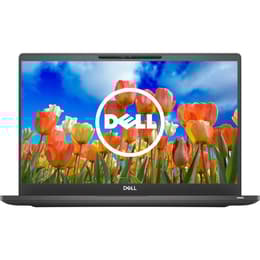


Dell Latitude 5310 13" Vs Dell Latitude 7300 13"

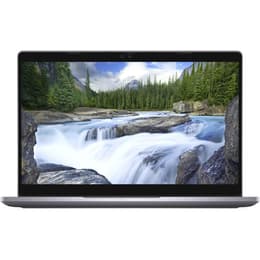
Dell Latitude 5310 13"
Starting at

Refurbished price:240.00

Versus €1,099.00 new

See options
Dell Latitude 7300 13"
Starting at

Refurbished price:310.00

Versus €692.16 new

See options

Ratings

The Dell Latitude 5310 13 and the Dell Latitude 7300 13 are compact business laptops designed for productivity and portability. While both offer a 13.3-inch form factor, the Latitude 5310, released in 2020, features more recent internal components compared to the Latitude 7300, which debuted in 2019. Both models typically run on the Windows operating system, providing a familiar environment for most users.

Scores

Durability

When considering the longevity of these devices, several factors come into play, including their release timelines, software support, and physical construction.

  • Release Timeline: The Dell Latitude 7300 was released in 2019, making it slightly older than the Latitude 5310, which came out in 2020. This difference in release year means the Latitude 5310 may receive software updates for a slightly longer period.
  • Software Longevity: Both laptops are capable of running modern operating systems like Windows 11, ensuring continued access to current software and security features. However, the newer processor generation in the 5310 could potentially offer a longer window of optimal performance with future software releases.
  • Build Quality: The Latitude 7300 often features a magnesium alloy or carbon fiber chassis, contributing to a robust and durable feel, and has passed MIL-STD 810G tests for durability. The Latitude 5310 also offers a solid build, with some configurations featuring a magnesium case or aluminum lid, and is noted for its rigid hinges.

Year of Release

2020

2019

OS

Windows 11

Windows 11

Performance

The performance of these laptops is primarily driven by their internal components, impacting how smoothly they handle daily tasks and more demanding applications.

  • Processor Capabilities: The Dell Latitude 5310 is equipped with 10th-generation processors, offering a performance advantage over the Latitude 7300, which typically features 8th-generation processors. This means the 5310 generally handles demanding apps and multitasking more smoothly.
  • System Responsiveness: Users of the Latitude 5310 often report good performance, with the laptop running fast and being responsive for everyday tasks like browsing with multiple tabs open and productivity work. The Latitude 7300 also delivers responsive performance for business tasks, including heavy browser usage and video conferencing.
  • Storage and RAM: Both models offer flexible configurations with up to 32GB of RAM and fast NVMe SSD storage options up to 1TB, ensuring quick boot times and efficient file access.
  • Battery Behavior: The Latitude 5310, with its 60Whr battery option, has demonstrated long battery life, with some tests showing over 13 hours of usage. The Latitude 7300 also boasts excellent battery life, often providing 8-10 hours on a single charge, with some configurations offering a 60Whr or even 78Whr battery.

Memory (GB)

8 GB

16 GB

Processor

Core i5 - Gen 10 (U)

Core i7 - Gen 8 (U)

Graphic card

Integrated Graphics

Integrated Graphics

Screen quality

The visual experience on these laptops is shaped by their display technology, resolution, and brightness levels.

  • Display Technology and Resolution: Both the Dell Latitude 5310 and Latitude 7300 typically feature 13.3-inch Full HD (1920 x 1080) IPS displays, providing clear visuals and comfortable viewing angles. The Latitude 5310 also had an option for an HD (1366x768) display.
  • Brightness and Clarity: The Latitude 5310's display offers a maximum brightness of around 300-327 nits, with good color gamut coverage for web content. The Latitude 7300's display is also noted for being bright and vivid, with peak brightness around 300-317 nits, and an anti-glare finish to reduce eye strain.
  • Refresh Rate: Both models generally come with a standard 60Hz refresh rate, which is suitable for general productivity tasks and video consumption.

Resolution

1920 x 1080

1920 x 1080

Screen type

IPS

IPS

Audiovisual

For communication and media consumption, the camera, microphone, and speakers play a significant role.

  • Camera System: Both laptops typically include a front-facing 720p webcam, suitable for video conferencing and online meetings. The Latitude 5310 offers an optional IR face recognition camera for Windows Hello. The Latitude 7300 also has optional IR camera for facial recognition.
  • Microphone Quality: The Latitude 7300's microphone quality is generally considered adequate for calls and recording.
  • Speaker Output: The Latitude 7300 features bottom-firing speakers that can get loud enough for a medium-sized room, with audio quality suitable for movies and YouTube videos. The Latitude 5310 also has good speakers.

Miscellaneous

Beyond the core components, several practical elements contribute to the overall user experience and device utility.

  • Connectivity Options: Both laptops offer a comprehensive selection of ports. The Latitude 5310 includes USB-C, USB 3.2 Gen 1, HDMI, and a microSD card reader, along with Wi-Fi 6 support. The Latitude 7300 features a Thunderbolt 3 (USB-C) port, USB 3.1 Type-A ports, HDMI, and a microSD card reader, with options for Wi-Fi 6.
  • Weight and Dimensions: The Latitude 5310 starts at approximately 1.22-1.24 kg (2.69-2.73 lbs), while the Latitude 7300 starts at around 1.25 kg (2.75 lbs) for the carbon fiber version and 1.3 kg for the aluminum version. Both are designed to be portable for professionals on the go.
  • Security Features: Both models offer useful security features such as optional fingerprint readers and IR cameras for facial recognition (Windows Hello). The Latitude 5310 also includes a physical privacy shutter for the webcam.

Weight

1240 g

3000 g

Screen size

13

13

The Dell Latitude 5310 13 and Dell Latitude 7300 13 are both capable business laptops, each with distinct advantages. Users often praise the Latitude 5310 for its more modern processor, which contributes to smoother overall performance and potentially longer software relevance. Its strong battery life and robust build quality are also frequently highlighted. Some users appreciate the inclusion of Wi-Fi 6 for faster wireless connectivity.

On the other hand, the Latitude 7300 is often lauded for its premium build materials, such as magnesium alloy or carbon fiber, and its proven durability through military-grade testing. Its comprehensive port selection, including Thunderbolt 3, is a significant draw for those needing versatile connectivity. The 7300 also receives positive remarks for its comfortable keyboard and impressive battery life.

Users prioritizing the most up-to-date internal components and a slightly newer release will find the Latitude 5310 well-suited to their needs. It offers a solid balance of performance and features for general productivity and multitasking. Conversely, users who value a more premium and rigorously tested physical build, along with a wider array of legacy and modern ports, may lean toward the Latitude 7300. Its established reputation for durability makes it a reliable choice for professionals who travel frequently or require a robust machine. Both models represent excellent choices for those seeking a quality-assured refurbished option, offering a sustainable alternative for their computing needs.


See all articles

Our recent comparisons