
iPhone

Compare models
Differences at a glance
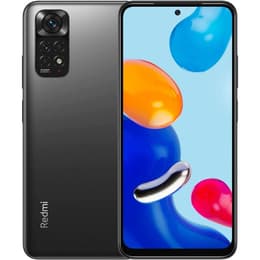
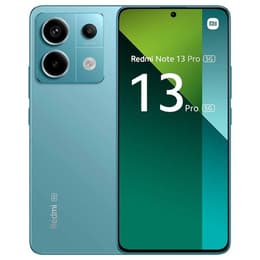
The Xiaomi Redmi Note 11, released in January 2022, and the Xiaomi Redmi Note 13 Pro, launched in late 2023 (5G variant) and early 2024 (4G variant), represent different generations within Xiaomi's popular Redmi Note series. While both are designed to offer a comprehensive smartphone experience, the Redmi Note 13 Pro introduces notable advancements in camera technology, display quality, and overall performance. Both devices operate on the Android platform, with the newer model benefiting from a more recent Android version and extended software support.
Colour
Storage
When considering the long-term usability of these devices, their release timelines and software support policies are key factors.
Year of Release
Compatible with latest Update
OS
Foldable
The performance capabilities of these two smartphones show a clear generational leap, impacting how smoothly they handle daily tasks and demanding applications.
The display is a primary interaction point, and both devices offer vibrant viewing experiences, though with distinct differences in their specifications.
Resolution
Screen type
The camera systems on these devices cater to different levels of photography expectations, with the newer model offering significant advancements.
Main camera
Front camera
Beyond core performance and display, several practical features differentiate these two devices in daily use.
Weight
Screen size (in)
Network
SIM card
Carrier compatibility
Connector
The Xiaomi Redmi Note 11 and Redmi Note 13 Pro cater to users with varying priorities, reflecting the advancements in smartphone technology over a couple of years. Users often praise the Redmi Note 11 for its vibrant AMOLED display and reliable battery life, especially considering its earlier release. Its performance is generally seen as sufficient for everyday tasks, and the inclusion of a 3.5mm headphone jack and expandable storage are frequently appreciated features. However, some users note its camera performance can be inconsistent, particularly in low light, and the lack of 5G connectivity is a limitation for those seeking the fastest mobile data speeds. [1, 4, 10, 11, 14, 16, 19, 22]
The Redmi Note 13 Pro, on the other hand, receives considerable acclaim for its significantly upgraded camera system, particularly the high-resolution main sensor with OIS, which delivers impressive detail and improved low-light capabilities. Its brighter, higher-resolution 120Hz AMOLED display is also a common highlight, offering a more immersive visual experience. Users also appreciate the faster charging speeds and the more powerful processor, which provides a smoother and more capable experience for demanding applications and multitasking. Criticisms, though fewer, sometimes point to the potential for color inaccuracies in some camera shots or the fact that the 4G variant uses a different processor than its 5G counterpart. [3, 5, 6, 9, 13, 17, 21, 23, 27, 28]
Users prioritizing a device with a longer software support window, a more advanced camera for detailed photography, a brighter and sharper display, and faster overall performance will find the Redmi Note 13 Pro well-suited to their needs. Its 5G capability (on the 5G variant) also makes it a more future-proof option for connectivity. Conversely, users who primarily need a dependable smartphone for essential tasks, media consumption, and don't require the absolute latest in camera or processing power, may find the Redmi Note 11 to be a practical choice. Both models, when considering a quality-assured refurbished option, offer an eco-friendly alternative for consumers looking to make a sustainable choice while still acquiring a capable device.