

Galaxy A15 Vs Xiaomi 13T Pro

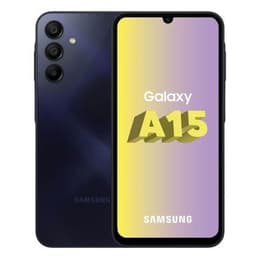
Galaxy A15
Galaxy A15
Starting at

Refurbished price:124.00

Versus €189.00 new

See options
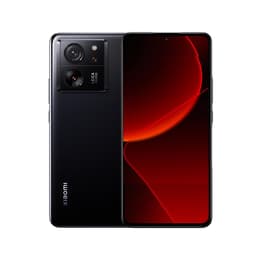
Xiaomi 13T Pro
Xiaomi 13T Pro
Starting at

Refurbished price:241.00

Versus €900.00 new

See options

Ratings

The Samsung Galaxy A15, released in December 2023, and the Xiaomi 13T Pro, launched in September 2023, are both Android smartphones offering distinct user experiences. While the Galaxy A15 focuses on delivering essential smartphone features with strong software support, the Xiaomi 13T Pro aims for a more performance-oriented approach with advanced camera capabilities. Both devices run on the Android operating system, but they cater to different user priorities through their hardware and software optimizations.

Scores

Durability

When considering the longevity of these devices, both the Galaxy A15 and the Xiaomi 13T Pro offer commendable software support, which is a key factor in a smartphone's practical lifespan.

  • Software Updates: The Samsung Galaxy A15 is slated to receive four generations of Android OS upgrades and five years of security patches, extending its support until approximately 2029. The Xiaomi 13T Pro also promises four generations of Android OS updates and five years of security patches, with updates expected up to Android 17 and security patches until 2028.
  • Build Durability: The Galaxy A15 features a plastic back and frame with a glass front, and the 5G variant has an IP54 rating for dust and splash resistance. The Xiaomi 13T Pro offers a more robust build with Gorilla Glass 5 on the front and either a glass or vegan leather back, alongside an IP68 rating for more comprehensive dust and water resistance.
  • Practical Lifespan: Users can expect both devices to remain functional and secure for several years due to their extended software support. The Xiaomi 13T Pro's higher IP rating and more premium build materials might offer a slight edge in physical resilience against environmental factors.

Year of Release

2023

2023

Compatible with latest Update

Yes

Yes

OS

Android

Android

Foldable

No

No

Performance

The performance capabilities of the Galaxy A15 and Xiaomi 13T Pro differ significantly, impacting how smoothly they handle various tasks and applications.

  • Processing Power: The Galaxy A15 is equipped with a processor that capably handles everyday tasks like browsing, social media, and light applications. However, some users have noted that it can exhibit slight delays when loading applications or multitasking extensively. In contrast, the Xiaomi 13T Pro features a more advanced processor designed for demanding applications and intensive multitasking, providing a fluid and responsive user experience, even with graphically intensive games.
  • Storage and RAM: The Galaxy A15 offers various configurations, typically with 4GB, 6GB, or 8GB of RAM and 128GB or 256GB of internal storage, which is expandable via a microSD card. The Xiaomi 13T Pro comes with higher base configurations, including 12GB or 16GB of RAM and 256GB, 512GB, or 1TB of faster internal storage, though it lacks a microSD card slot for expansion.
  • Battery Performance: Both devices house a 5000 mAh battery. The Galaxy A15 is known for its excellent battery life, often lasting up to two days on a single charge with moderate use, and supports 25W wired charging. The Xiaomi 13T Pro also provides good battery endurance and features exceptionally fast 120W wired charging, capable of fully charging the device in under 20 minutes.

Memory (GB)

4 GB

12 GB

Screen quality

The visual experience on both smartphones is delivered through distinct display technologies and specifications, catering to different viewing preferences.

  • Display Technology and Resolution: The Samsung Galaxy A15 features a 6.5-inch Super AMOLED display with a Full HD+ resolution (1080x2340 pixels), offering vibrant colors and deep blacks. The Xiaomi 13T Pro boasts a slightly larger 6.67-inch AMOLED display with a higher 1.5K resolution (1220x2712 pixels), providing enhanced clarity and detail.
  • Brightness and Refresh Rate: The Galaxy A15's display reaches a peak brightness of 800 nits in High Brightness Mode (HBM) and has a 90Hz refresh rate for smoother scrolling. The Xiaomi 13T Pro offers a significantly brighter display with a peak brightness of 2600 nits and a higher 144Hz refresh rate, resulting in exceptionally fluid visuals and excellent outdoor visibility.
  • Visual Enhancements: The Xiaomi 13T Pro's display also supports Dolby Vision and HDR10+, which enhances the contrast and color accuracy for compatible content, providing a more immersive viewing experience.

Resolution

1080 x 2340

1220 x 2712

Screen type

Super AMOLED

AMOLED

Audiovisual

The camera systems on the Galaxy A15 and Xiaomi 13T Pro are designed with different photographic priorities, influencing their performance in various scenarios.

  • Rear Camera System: The Galaxy A15 includes a triple rear camera setup with a 50MP main sensor, a 5MP ultrawide lens, and a 2MP macro lens. It captures good detail and color in well-lit conditions. The Xiaomi 13T Pro features a Leica co-engineered triple camera system, comprising a 50MP wide-angle lens with optical image stabilization (OIS), a 50MP telephoto lens with 2x optical zoom, and a 12MP ultrawide lens. This setup is praised for its detailed and versatile image capture across various lighting conditions.
  • Video Recording Capabilities: The Galaxy A15 records video at up to 1080p resolution at 30 frames per second (fps) from both its front and rear cameras. The Xiaomi 13T Pro offers more advanced video recording, supporting up to 8K resolution at 24fps and 4K at 60fps from its rear cameras, providing greater flexibility for high-quality video content creation.
  • Front Camera and Audio: For selfies and video calls, the Galaxy A15 has a 13MP front camera. The Xiaomi 13T Pro features a 20MP front camera. The Xiaomi 13T Pro also includes stereo speakers with Dolby Atmos support, enhancing the audio experience for media consumption, while the Galaxy A15 has a mono speaker.

Main camera

50 megapixels

50 megapixels

Front camera

13 megapixels

20 megapixels

Miscellaneous

Beyond core features, several practical elements differentiate the user experience between these two smartphones.

  • Connectivity and Ports: Both devices support 5G connectivity (for the A15 5G variant) and NFC for contactless payments. The Galaxy A15 includes a 3.5mm headphone jack and uses USB-C 2.0. The Xiaomi 13T Pro, while lacking a headphone jack, supports newer Wi-Fi 7 and Bluetooth 5.4 standards, and features an infrared (IR) blaster, allowing it to function as a universal remote.
  • Biometric Security: The Galaxy A15 incorporates a side-mounted fingerprint sensor. The Xiaomi 13T Pro utilizes an in-display optical fingerprint sensor for secure unlocking.
  • Design and Handling: The Galaxy A15 measures 160.1 x 76.8 x 8.4 mm and weighs 200g, featuring a plastic construction. The Xiaomi 13T Pro is slightly larger at 162.2 x 75.7 x 8.5 mm and weighs between 200g and 206g, depending on the back panel material (glass or vegan leather). The Xiaomi 13T Pro also boasts an IP68 rating for dust and water resistance, offering greater protection than the Galaxy A15's IP54 rating (on the 5G variant).

Weight

200 g

200 g

Screen size (in)

6.5

6.67

Network

4G

5G

SIM card

Dual Physical SIM

Physical SIM + eSIM

Carrier compatibility

Unlocked

Unlocked

The Samsung Galaxy A15 and Xiaomi 13T Pro cater to different segments of the smartphone market, each excelling in specific areas based on user feedback. Users frequently praise the Galaxy A15 for its vibrant Super AMOLED display, exceptional battery life that often extends to two days, and Samsung's commitment to long-term software updates. However, some users have noted that its performance can feel less responsive during heavy multitasking or app loading.

Conversely, the Xiaomi 13T Pro receives high marks for its powerful processing capabilities, which ensure smooth operation across demanding applications and games. Its advanced camera system, co-engineered with Leica, is often highlighted for producing high-quality photos and videos, and its ultra-fast 120W charging is a significant convenience. Criticisms sometimes point to the selfie camera performance and the absence of wireless charging.

Users prioritizing extended battery life, consistent software support, and a reliable display for everyday use may find the Samsung Galaxy A15 well-suited to their needs. For those who require robust performance for gaming or intensive applications, a more advanced camera system, and rapid charging, the Xiaomi 13T Pro presents a compelling option. Both devices offer distinct advantages, and considering a quality-assured refurbished option for either model can be an eco-friendly alternative.


See all articles

Our recent comparisons