
Compare models

iPhone SE (2022) Vs Xiaomi Redmi Note 13 4G

  • 1-year minimum warranty
  • Free delivery on all orders
  • Free 30-day returns
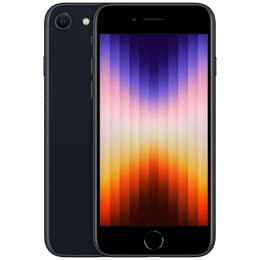
iPhone SE (2022)
Starting at

Refurbished price:€138.00

Versus €549.00 new

See options
Xiaomi Redmi Note 13 4G
Starting at

Refurbished price:€174.00

Versus €340.00 new

See options

Differences at a glance

The iPhone SE (2022) and the Xiaomi Redmi Note 13 4G represent two distinct approaches to everyday mobile technology. Released in 2022 and 2024 respectively, these devices serve different preferences regarding design philosophy and user interface architecture. While the iPhone SE relies on a compact physical format paired with Apple's proprietary software ecosystem, the Xiaomi Redmi Note 13 4G offers a contemporary large-screen experience running on the Android operating system. Understanding their core distinctions helps users determine which platform aligns best with their daily routines.

Available Models

Colour

Storage

Scores

Durability

When evaluating structural longevity and software support, both devices handle updates and physical durability through contrasting engineering timelines and build materials.

  • Software longevity: The iPhone SE benefits from Apple's extended update cycles, ensuring several years of upcoming operating system patches, whereas the Xiaomi Redmi Note 13 4G relies on the standard Android support lifecycle associated with its 2024 release year.
  • Repairability and durability: Both models utilize glass and frame construction, with the iPhone SE offering traditional physical home button mechanics and the Xiaomi featuring a more contemporary sealed housing design with standard dust and water resistance ratings.

Year of Release

2022

2024

Compatible with latest Update

Yes

Yes

OS

iOS

Android

Foldable

No

No

Performance

Daily operation and multitasking capabilities differ significantly due to internal processor design, available memory configurations, and battery management efficiency.

  • Multitasking and responsiveness: Both devices handle standard web browsing, messaging, and media streaming smoothly, though heavier applications and intensive background tasks run with notable processing efficiency on the iPhone SE.
  • Battery behavior: The Xiaomi Redmi Note 13 4G features a larger physical battery capacity that typically sustains moderate use through a full day, while the smaller battery footprint of the iPhone SE may require more frequent charging during heavy usage periods.

Screen quality

Visual output and display characteristics vary greatly between the two models, impacting media consumption, outdoor legibility, and physical handling comfort.

  • Display technology: The iPhone SE uses a smaller liquid crystal display with traditional thick bezels, while the Xiaomi Redmi Note 13 4G incorporates a larger AMOLED panel that delivers vibrant colors and deep contrast levels.
  • Refresh rate and smoothness: The Xiaomi model offers a higher refresh rate for smoother scrolling through menus and web pages, compared to the standard refresh rate found on the iPhone SE display.

Resolution

750 x 1334

1080 x 2400

Screen type

Retina IPS LCD

AMOLED

Audiovisual

Photography, video recording, and audio output capabilities cater to different multimedia preferences through varying sensor arrangements and hardware configurations.

  • Camera systems: The iPhone SE utilizes a single rear camera paired with advanced image processing software for reliable everyday snapshots, whereas the Xiaomi Redmi Note 13 4G equips a multi-lens array featuring a high-resolution main sensor and an ultra-wide option.
  • Media and audio output: Both devices deliver clear sound for voice calls and casual media playback through their integrated speaker systems, though neither focuses on specialized studio-grade audio components.

Main camera

12 megapixels

108 megapixels

Front camera

7 megapixels

16 megapixels

Miscellaneous

Physical dimensions, connectivity standards, and biometric authentication methods shape the overall ergonomics and daily usability of each smartphone.

  • Biometrics and security: The iPhone SE uses traditional fingerprint recognition integrated into a physical home button, while the Xiaomi Redmi Note 13 4G employs an in-display fingerprint sensor alongside facial recognition features.
  • Connectivity and ports: The iPhone SE features the proprietary Lightning connector and 5G network compatibility, whereas the Xiaomi Redmi Note 13 4G utilizes a USB-C port, a traditional headphone jack, and 4G network support. Choosing a quality-assured refurbished option for either model provides a sustainable choice that reduces electronic waste.

Weight

144 g

189 g

Screen size (in)

4.7

6.67

Network

5G

4G

SIM card

Physical SIM + eSIM

Dual Physical SIM

Carrier compatibility

Unlocked

Unlocked

Connector

Lightning

USB-C

What the community thinks

User discussions and community feedback indicate distinct preferences for each device depending on individual priorities. Owners of the iPhone SE frequently praise its compact one-handed usability, reliable long-term software updates, and smooth handling of everyday tasks within a familiar operating system. Conversely, common praise for the Xiaomi Redmi Note 13 4G centers around its expansive, vibrant display, modern aesthetic, and reliable battery endurance during standard daily use. Frequent criticisms for the Apple model involve its dated physical design and limited battery capacity, while users of the Xiaomi device occasionally note the presence of pre-installed software bloat and limitations in processing heavy applications.

Users prioritizing a compact form factor, long-term software continuity, and deep integration with Apple services may prefer the iPhone SE (2022). Meanwhile, users prioritizing a large, vibrant viewing space, modern display smoothness, and extended battery endurance will find the Xiaomi Redmi Note 13 4G well-suited to their needs. Exploring a quality-assured refurbished option can serve as an eco-friendly alternative for acquiring either device while supporting sustainable consumption practices. Balancing these software, display, and ergonomic factors ensures a decision tailored to your specific daily requirements.