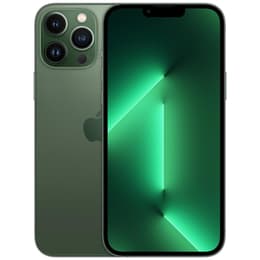


Galaxy A06 Vs iPhone 13 Pro Max

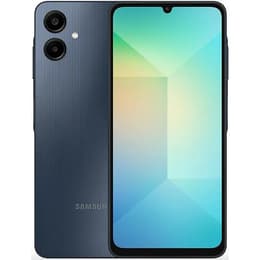
Galaxy A06
Galaxy A06
Starting at

Refurbished price:108.00

Versus €186.96 new

See options
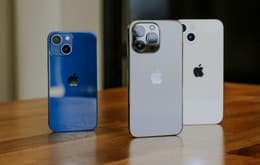
iPhone 13 Pro Max
iPhone 13 Pro Max
Starting at

Refurbished price:369.00

Versus €1,249.00 new

See options

Ratings

The Samsung Galaxy A06, released in 2024, and the iPhone 13 Pro Max, launched in 2021, represent distinct approaches to smartphone design and functionality. While the Galaxy A06 is positioned as a more recent entry-level to mid-range Android device, the iPhone 13 Pro Max was a flagship iOS offering at its release. The primary differentiators between these two devices lie in their operating systems, overall performance capabilities, and camera systems, catering to different user expectations and needs.

Scores

Durability

When considering the long-term usability of a smartphone, factors like software support and physical durability are key. The Galaxy A06 and iPhone 13 Pro Max offer different longevity profiles.

  • Software Support: The Galaxy A06, running Android 14, is expected to receive two major OS upgrades and four years of security updates from its release. In contrast, the iPhone 13 Pro Max, which launched with iOS 15, has already received several major iOS updates and is anticipated to continue receiving software support for several more years, potentially extending its functional lifespan beyond that of the A06.
  • Repairability and Build: The iPhone 13 Pro Max features a more robust build with a Ceramic Shield front cover and a stainless steel frame, contributing to its physical durability. The Galaxy A06 typically utilizes a plastic construction, which can be more resilient to certain types of impacts but may not offer the same premium feel.
  • Practical Lifespan: Users often report that the iPhone 13 Pro Max holds up well over time, with many expecting to use it for several years due to its sustained performance and software updates. The Galaxy A06, while newer, is designed for a different segment, and its practical lifespan for demanding users might be shorter due to its more modest specifications and update policy.

Year of Release

2024

2021

OS

Android

iOS

Foldable

No

No

Performance

The performance capabilities of the Galaxy A06 and iPhone 13 Pro Max cater to different user demands, reflecting their respective market segments.

  • Everyday Responsiveness: The iPhone 13 Pro Max, powered by a high-performance processor, delivers consistently smooth and rapid responsiveness across all applications, from casual browsing to intensive gaming and video editing. Users experience quick app loading and seamless transitions. The Galaxy A06, equipped with a mid-range processor, handles daily tasks like messaging, social media, and web browsing effectively, though some users may notice occasional delays or stutters during heavy multitasking or with more demanding applications.
  • Multitasking and Storage: With 6GB of RAM, the iPhone 13 Pro Max manages numerous open applications efficiently, allowing for fluid switching without significant slowdowns. It offers various internal storage options up to 1TB, providing ample space for extensive media and applications. The Galaxy A06 typically comes with 4GB or 6GB of RAM and 64GB or 128GB of internal storage, which is expandable via a microSD card, offering flexibility for users who need more space for photos and files.
  • Gaming and Demanding Apps: The iPhone 13 Pro Max is well-suited for graphically intensive games and professional-grade applications, maintaining high frame rates and stable performance. The Galaxy A06 can run many popular games and apps, but users might need to adjust settings for optimal performance in more graphically demanding titles, and it may not offer the same level of sustained performance for prolonged heavy use.

Memory (GB)

4 GB

6 GB

Screen quality

The visual experience on these two devices differs significantly due to their display technologies and specifications.

  • Display Technology and Clarity: The iPhone 13 Pro Max features a 6.7-inch Super Retina XDR OLED display, known for its deep blacks, high contrast, and vibrant color reproduction, providing a detailed and immersive viewing experience with a resolution of 2778x1284 pixels. The Galaxy A06 comes with a 6.7-inch PLS LCD display, offering a resolution of 720x1600 pixels. While it provides clear visuals for everyday use, its color depth and contrast are not as pronounced as an OLED panel.
  • Brightness and Outdoor Visibility: The iPhone 13 Pro Max boasts high peak brightness levels, making its display easily viewable even in bright outdoor conditions or when consuming HDR content. The Galaxy A06's display offers adequate brightness for indoor use, but some users may find it less bright and more reflective in direct sunlight, potentially impacting outdoor visibility.
  • Refresh Rate and Smoothness: A key feature of the iPhone 13 Pro Max is its ProMotion technology, which provides an adaptive refresh rate up to 120Hz. This results in exceptionally smooth scrolling, fluid animations, and a more responsive touch experience. The Galaxy A06 features a standard 60Hz refresh rate, which is suitable for most daily interactions, but does not offer the same level of visual fluidity as a higher refresh rate display.

Resolution

720 x 1600

1284 x 2778

Screen type

PLS LCD

Super Retina XDR OLED

Audiovisual

The camera systems of the Galaxy A06 and iPhone 13 Pro Max are designed for different photographic needs and offer varying levels of capability.

  • Rear Camera System: The iPhone 13 Pro Max is equipped with a versatile triple 12MP camera system, including Wide, Ultra Wide, and Telephoto lenses. This setup allows for 3x optical zoom in and 2x optical zoom out, along with advanced features like Night mode, Cinematic mode for video, and ProRes video recording, delivering high-quality photos and videos across various lighting conditions. The Galaxy A06 features a dual rear camera setup with a 50MP primary sensor and a 2MP depth sensor. It is capable of capturing decent photos in well-lit environments, but some users have noted that image processing can be inconsistent, and overall quality may be underwhelming in challenging conditions.
  • Front Camera and Video: For selfies and video calls, the iPhone 13 Pro Max has a 12MP front camera that supports advanced features like Portrait mode and Cinematic mode. Its video recording capabilities extend to 4K at 60fps with HDR Dolby Vision. The Galaxy A06 includes an 8MP front camera, suitable for basic selfies and video calls, and supports Full HD video recording at 60fps.
  • Audio and Media Consumption: The iPhone 13 Pro Max provides a rich audio experience with stereo speakers, enhancing media consumption. The Galaxy A06 typically features a single bottom-firing speaker, which is adequate for general audio but may not offer the same depth or volume as a stereo setup.

Miscellaneous

Beyond core performance and display, several practical elements differentiate the Galaxy A06 and iPhone 13 Pro Max.

  • Connectivity and Ports: The iPhone 13 Pro Max supports 5G connectivity and Wi-Fi 6, offering faster wireless speeds where available, and uses Apple's proprietary Lightning port for charging and data transfer. The Galaxy A06 primarily supports 4G connectivity, though a 5G variant exists, and features a more universally adopted USB Type-C port, along with a 3.5mm headphone jack, which is absent on the iPhone.
  • Biometric Security and Sensors: The iPhone 13 Pro Max relies on Face ID for secure facial recognition. It also includes a LiDAR Scanner for enhanced augmented reality experiences and improved low-light photography. The Galaxy A06 incorporates a side-mounted fingerprint sensor for biometric authentication, alongside standard sensors like an accelerometer and proximity sensor.
  • Design and Handling: The iPhone 13 Pro Max has a substantial feel, weighing 240 grams, with a flat-edged design and premium materials. Some users find its size and weight considerable, especially for one-handed use. The Galaxy A06, at around 196 grams, offers a lighter and potentially more comfortable handling experience for some, with a plastic build and a slightly slimmer profile.

Weight

189 g

238 g

Width

6,59 cm

7,81 cm

Height

3,04 cm

16,08 cm

Depth

0,31 cm

0,76 cm

Screen size (in)

6.7

6.7

Network

4G

5G

SIM card

Dual Physical SIM

Physical SIM + eSIM

Carrier compatibility

Unlocked

Unlocked

Connector

USB-C + Jack 3.5mm

Lightning

User sentiment for the iPhone 13 Pro Max consistently highlights its exceptional battery life, robust performance, and high-quality camera system as major strengths. Many users consider it a highly capable device that continues to perform well years after its release, often stating they see no immediate need to upgrade. Common criticisms sometimes revolve around its considerable weight and large size, which can impact comfort during extended use.

For the Samsung Galaxy A06, users generally praise its affordability and solid battery life for everyday tasks. It is often seen as a reliable option for basic smartphone functions like communication, social media, and light browsing. However, frequent criticisms point to its camera performance being underwhelming, occasional lags in the user interface, and a display that, while adequate, doesn't offer the vibrancy or resolution of higher-end devices.

Users prioritizing a premium build, advanced camera features, and sustained high performance for demanding applications will likely find the iPhone 13 Pro Max better suited to their needs. Its long-term software support also makes it a strong contender for those seeking extended device longevity. Conversely, individuals looking for a more recent device for essential smartphone functions, with a focus on battery life and expandable storage, may lean towards the Galaxy A06. It serves as a practical choice for users who value a straightforward experience without the need for flagship-level capabilities.

For those considering either device, exploring quality-assured refurbished options can provide an eco-friendly alternative, offering a way to access these technologies sustainably.


See all articles

Our recent comparisons