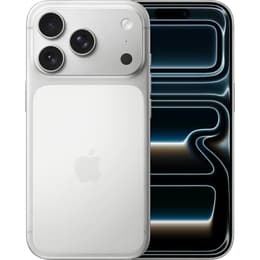
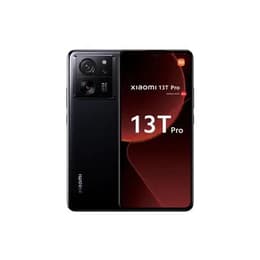


iPhone 17 Pro Vs Xiaomi 13T Pro

iPhone 17 Pro
iPhone 17 Pro
Starting at

Refurbished price:1,064.00

Versus €1,339.00 new

See options
Xiaomi 13T Pro
Xiaomi 13T Pro
Starting at

Refurbished price:253.00

Versus €900.00 new

See options

Ratings

The iPhone 17 Pro, released in September 2025, and the Xiaomi 13T Pro, launched in September 2023, are both advanced smartphones designed to offer a premium user experience. While the iPhone 17 Pro operates on Apple's iOS ecosystem, the Xiaomi 13T Pro runs on Android with Xiaomi's MIUI or HyperOS interface. The primary distinctions between these two devices lie in their core processing power, camera system advancements, and display technologies, reflecting their respective release timelines and manufacturer philosophies.

Scores

Durability

The practical lifespan of a smartphone is influenced by its release timeline, software support, and physical durability features. The iPhone 17 Pro, being a more recent device, benefits from a longer expected period of software updates compared to the Xiaomi 13T Pro.

  • Release Timeline: The iPhone 17 Pro was introduced in September 2025, making it a current-generation device with the latest hardware and software optimizations. The Xiaomi 13T Pro, released in September 2023, is two years older, which impacts its remaining software support window.
  • Software Longevity: Apple typically provides iOS updates for approximately 5-6 years from a device's release, meaning the iPhone 17 Pro is expected to receive support well into the future. The Xiaomi 13T Pro is committed to four years of Android OS updates and five years of security patches, offering substantial longevity for an Android device.
  • Durability Features: The iPhone 17 Pro features an upgraded Ceramic Shield 2 for its display, offering enhanced scratch resistance. Both devices boast an IP68 rating for dust and water resistance, indicating a high level of protection against environmental elements.

Year of Release

2025

2023

OS

iOS

Android

Foldable

No

No

Performance

Performance in modern smartphones is crucial for smooth operation, app handling, and multitasking. Both the iPhone 17 Pro and the Xiaomi 13T Pro offer robust performance, though they achieve it through different hardware and software integrations.

  • Processing Capabilities: The iPhone 17 Pro is equipped with a current-generation processor designed for demanding tasks, featuring a multi-core CPU and an advanced GPU with Neural Accelerators that enhance gaming and AI-driven functions. This hardware is complemented by a vapor chamber cooling system to maintain consistent performance under heavy load. The Xiaomi 13T Pro utilizes a powerful MediaTek chipset, which delivers top-tier performance for gaming and everyday use, supported by a dedicated cooling system including a vapor chamber.
  • System Responsiveness: Users of the iPhone 17 Pro report a very slick and snappy experience, with apps opening instantly and no noticeable lag, even with the latest operating system. The Xiaomi 13T Pro also provides impressively smooth performance, particularly during gaming, with minimal battery drain.
  • Memory and Storage: The iPhone 17 Pro comes with 12GB of RAM, which aids in smooth multitasking and handling complex applications. It starts with a minimum of 256GB of internal storage. The Xiaomi 13T Pro offers configurations with up to 16GB of RAM and up to 1TB of internal storage, providing ample space and memory for extensive use.

Memory (GB)

12 GB

16 GB

Screen quality

The visual experience on a smartphone is largely defined by its display, encompassing technology, resolution, brightness, and refresh rate. Both devices offer high-quality screens, but with some distinct characteristics.

  • Display Technology and Clarity: Both the iPhone 17 Pro and the Xiaomi 13T Pro feature vibrant OLED displays, known for deep blacks and rich colors. The iPhone 17 Pro has a 6.3-inch display with a resolution of 2622x1206 pixels, resulting in a pixel density of 460 pixels per inch (ppi). The Xiaomi 13T Pro offers a slightly larger 6.67-inch AMOLED panel with a resolution of 2712x1220 pixels, also providing a high pixel density of 446 ppi for sharp visuals.
  • Brightness and Refresh Rate: The iPhone 17 Pro's display can reach a peak brightness of 3,000 nits outdoors, with 1,600 nits for HDR content and 1,000 nits typical, ensuring excellent visibility in various lighting conditions. It supports a 120Hz ProMotion refresh rate for smooth scrolling and fluid animations. The Xiaomi 13T Pro's display can achieve a peak brightness of 2,600 nits and features a 144Hz refresh rate, which dynamically adjusts between several settings (30, 60, 90, 120, 144Hz) for a very smooth visual experience.
  • Additional Display Features: The iPhone 17 Pro includes a new anti-reflective coating for reduced glare and improved outdoor contrast. The Xiaomi 13T Pro supports Dolby Vision and HDR10+ standards, enhancing the viewing of compatible content.

Resolution

2622x1206

1220 x 2712

Audiovisual

Camera capabilities are a significant factor for many users, and both the iPhone 17 Pro and Xiaomi 13T Pro offer advanced systems for photography and videography.

  • Rear Camera System: The iPhone 17 Pro features a triple-lens rear camera system, with all three lenses (main, ultra-wide, and telephoto) boasting 48-megapixel sensors. The main lens includes second-generation sensor-shift optical image stabilization (OIS). The telephoto lens offers up to 8x zoom, with 3.5x optical zoom capabilities. The Xiaomi 13T Pro, developed in partnership with Leica, also has a triple rear camera setup: a 50-megapixel main camera with OIS, a 50-megapixel telephoto camera with 2x lossless zoom, and a 12-megapixel ultra-wide camera.
  • Photography Performance: The iPhone 17 Pro is praised by users for its excellent camera quality, with the telephoto lens offering impressive detail even at higher zoom levels. The Xiaomi 13T Pro delivers detailed and customizable photos, with Leica Authentic and Leica Vibrant styles providing different aesthetic options. Its main camera performs well in low light, though secondary cameras may show some limitations without OIS.
  • Video Recording and Front Camera: The iPhone 17 Pro supports 8K video recording and offers dual video recording, allowing simultaneous capture from front and rear cameras. Its front-facing camera is an upgraded 24-megapixel sensor. The Xiaomi 13T Pro can record 8K video at 24fps and 4K video at 60fps, with good stabilization. It features a 20-megapixel selfie camera, which records video at Full HD 30fps.

Miscellaneous

Beyond core performance and camera, several practical features contribute to the overall user experience, including connectivity, physical design, and additional functionalities.

  • Connectivity and Ports: The iPhone 17 Pro supports 5G connectivity and features Wi-Fi 7, offering advanced wireless speeds and efficiency. It also includes a USB-C port. The Xiaomi 13T Pro also supports 5G and includes Wi-Fi 6 and Bluetooth 5.4, with some models supporting Wi-Fi 7. It features a USB-C port but lacks a 3.5mm headphone jack.
  • Sensors and Biometrics: Both devices incorporate modern biometric security. The iPhone 17 Pro continues to use Face ID for secure authentication. The Xiaomi 13T Pro includes an under-display fingerprint sensor and Face Unlock.
  • Design and Handling: The iPhone 17 Pro features a unibody aluminum chassis and a new design with rounded edges, which users find comfortable to hold. The Xiaomi 13T Pro has a glass or vegan leather rear panel and a curved design, which can make it feel thinner. It weighs around 206g.

Weight

206 g

206 g

Screen size (in)

6.3

6.67

Network

5G

5G

SIM card

Physical SIM + eSIM

Physical SIM + eSIM

Carrier compatibility

Unlocked

Unlocked

Connector

USB-C

USB-C

User feedback for the iPhone 17 Pro highlights its exceptional speed, smooth operation, and impressive camera system, particularly the telephoto lens. Many users praise its significantly improved battery life, often lasting a full day with substantial charge remaining. The new rounded edges and the Dynamic Island are also frequently mentioned as positive design and functional enhancements. Some minor criticisms include the placement of the camera button for a few users, and an isolated report of the finish wearing off.

For the Xiaomi 13T Pro, common praise points include its superb OLED display with a high refresh rate, incredibly fast 120W wired charging, and flagship-grade performance for gaming and daily tasks. The Leica-tuned camera system is generally well-regarded for its detail and versatility. However, some users have reported occasional camera stuttering, screen color calibration issues, and potential battery drain for heavy users, especially when using GPS or mobile data. The absence of wireless charging is also a noted point.

Users prioritizing the latest software experience, a highly refined ecosystem, and advanced computational photography with strong video capabilities may find the iPhone 17 Pro well-suited to their needs. Its extended software support and robust build also contribute to a longer expected lifespan. Conversely, users who value rapid charging speeds, a highly customizable Android experience, and a powerful display for media consumption and gaming might lean towards the Xiaomi 13T Pro. Its strong performance and camera system, combined with a commitment to software updates, make it a compelling choice for those seeking a quality-assured refurbished option. Ultimately, the decision hinges on individual preferences for operating system, specific feature priorities, and the importance of a device's release generation.


See all articles

Our recent comparisons