

iPhone 13 Vs Xiaomi Redmi Note 11 Pro 5G

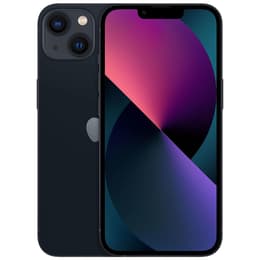
iPhone 13
iPhone 13
Starting at

Refurbished price:247.00

Versus €769.00 new

See options
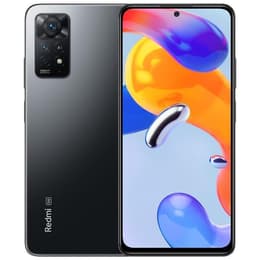
Xiaomi Redmi Note 11 Pro 5G
Starting at

Refurbished price:126.00

Versus €699.00 new

See options

Ratings

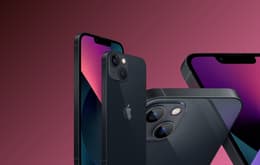
The iPhone 13 (released September 2021) and the Xiaomi Redmi Note 11 Pro 5G (released January 2022) are smartphones from different ecosystems, offering distinct user experiences. While the iPhone 13 runs on Apple's iOS, the Redmi Note 11 Pro 5G operates on Android with Xiaomi's MIUI overlay. Key differentiators include their operating systems, display technologies, and camera philosophies, catering to varied user preferences.

Scores

Durability

The expected lifespan of a smartphone is influenced by its release timeline, software support, and physical durability. Both devices offer different approaches to longevity.

  • Software Longevity: The iPhone 13, launched in 2021, is expected to receive major iOS updates until approximately 2028, with security updates potentially extending beyond that period. The Redmi Note 11 Pro 5G, released in early 2022, shipped with Android 11. Xiaomi typically provides at least two years of security updates and often one major Android version update for its Redmi Note series, though some models may receive more extended support.
  • Repairability: The iPhone 13 initially received an iFixit repairability score of 5 out of 10, which later improved to 6 out of 10 after a software update addressed Face ID issues related to screen replacements. Its components are modular, but specialized tools are often required, and screen removal can be a delicate process. In contrast, the Redmi Note 11 Pro 5G boasts a higher repairability score of 8.75 out of 10, with its back plate being relatively easy to remove and good accessibility to internal components like the screen cable and battery.
  • Physical Durability: The iPhone 13 features Ceramic Shield front cover protection. The Redmi Note 11 Pro 5G includes Corning Gorilla Glass 5 on its display and carries an IP53 rating for splash resistance, offering some protection against dust and light water exposure.

Year of Release

2021

2022

Compatible with latest Update

Yes

No

OS

iOS

Android

Foldable

No

No

Performance

Performance varies between these two devices, impacting how smoothly they handle daily tasks and more demanding applications.

  • Processing Power: The iPhone 13 is equipped with a powerful processor that ensures smooth operation across applications, efficient multitasking, and capable handling of graphically intensive games. Users generally experience consistent responsiveness and quick app loading times.
  • Multitasking and Responsiveness: The Redmi Note 11 Pro 5G features a processor designed for everyday performance, managing typical applications and light gaming effectively. Some users have reported occasional stuttering when numerous applications are running in the background or during prolonged heavy use.
  • Battery Behavior: The iPhone 13 offers robust battery performance, often lasting a full day for many users, though some have noted increased battery drain following certain software updates. The Redmi Note 11 Pro 5G is known for its substantial battery capacity, frequently providing 1.5 to 2 days of use on a single charge for many users. It also supports fast charging, allowing for a rapid replenishment of its battery.

Memory (GB)

4 GB

6 GB

Screen quality

The visual experience on both devices is shaped by their display technologies and specifications.

  • Display Technology and Clarity: The iPhone 13 features a 6.1-inch Super Retina XDR OLED display, known for its deep blacks, vibrant colors, and high contrast. The Redmi Note 11 Pro 5G offers a larger 6.67-inch Super AMOLED display, also providing rich colors and good contrast. Both displays offer a resolution of 1080x2400 pixels, resulting in sharp visuals for typical viewing distances.
  • Brightness and Refresh Rate: The Redmi Note 11 Pro 5G's display supports a 120Hz refresh rate, contributing to smoother scrolling and a more fluid visual experience. It also reaches a peak brightness of 1200 nits, making it suitable for outdoor visibility. The iPhone 13 has a standard 60Hz refresh rate and offers strong brightness for various lighting conditions.
  • Viewing Experience: The larger screen of the Redmi Note 11 Pro 5G may offer a more expansive viewing area for media consumption and gaming. The iPhone 13's display, while smaller, is praised for its color accuracy and overall visual quality.

Resolution

1170 x 2532

1080 x 2400

Screen type

Super Retina XDR OLED

Super AMOLED

Audiovisual

The camera systems on these smartphones approach photography and videography with different strengths and capabilities.

  • Rear Camera System: The iPhone 13 features a dual-camera setup that excels in capturing detailed photos with good dynamic range and improved low-light performance. Its computational photography enhances image quality across various scenarios. The Redmi Note 11 Pro 5G comes with a triple-camera system, highlighted by a 108MP main sensor, which can produce detailed daytime shots. However, its ultrawide and macro lenses may offer less consistent results.
  • Video Recording: The iPhone 13 offers advanced video capabilities, including a Cinematic mode that provides a shallow depth of field effect, though it records at 1080p/30fps. It also provides improved video stabilization. The Redmi Note 11 Pro 5G's video recording is limited to 1080p at 30 frames per second, and some users have noted a lack of video stabilization and focus issues.
  • Front Camera and Audio: Both devices feature capable front-facing cameras for selfies and video calls. For audio, the Redmi Note 11 Pro 5G includes stereo speakers, enhancing the media consumption experience. Some users of the Redmi Note 11 Pro 5G have reported microphone quality issues, particularly with noise cancellation during recordings.

Main camera

12 megapixels

108 megapixels

Front camera

12 megapixels

16 megapixels

Miscellaneous

Beyond core features, several practical elements contribute to the overall user experience of these devices.

  • Connectivity and Ports: Both phones support 5G connectivity. The iPhone 13 uses Apple's proprietary Lightning port, which operates at USB 2.0 speeds. The Redmi Note 11 Pro 5G features a more universal USB-C port, a 3.5mm headphone jack, NFC, and an IR blaster.
  • Biometric Security: The iPhone 13 relies on Face ID for secure facial recognition. The Redmi Note 11 Pro 5G incorporates a side-mounted fingerprint sensor for biometric authentication.
  • Design and Handling: The iPhone 13 has a compact design with a 6.1-inch display. The Redmi Note 11 Pro 5G is larger with its 6.67-inch screen and a boxy design, which some users find less comfortable for one-handed use. The Redmi Note 11 Pro 5G also has an IP53 rating for splash and dust resistance.

Weight

173 g

202 g

Screen size (in)

6.1

6.67

Network

5G

5G

SIM card

Physical SIM + eSIM

Dual Physical SIM

Carrier compatibility

Unlocked

Unlocked

Connector

Lightning

USB-C + Jack 3.5mm

User sentiment for the iPhone 13 generally highlights its reliable performance, excellent camera capabilities, and consistent software experience. Common criticisms have included the continued use of the Lightning port and the absence of a higher refresh rate display on the base model. Some users also reported initial software bugs, such as unresponsive touchscreens, which were often addressed through updates.

For the Xiaomi Redmi Note 11 Pro 5G, users frequently praise its vibrant 120Hz AMOLED display, long-lasting battery, and fast charging capabilities. However, criticisms often point to its camera performance, particularly for video recording, and the presence of ads within the MIUI software, although these can often be disabled. Some users have also expressed concerns about the frequency and longevity of software updates.

Users prioritizing a consistent, long-term software experience with strong camera performance and a compact form factor may find the iPhone 13 well-suited to their needs. Those who value a large, high-refresh-rate display, extended battery life with rapid charging, and the flexibility of the Android ecosystem with expandable storage and a headphone jack might lean towards the Redmi Note 11 Pro 5G. Both devices offer distinct advantages, and considering a quality-assured refurbished option can be an eco-friendly alternative for either model.


See all articles

Our recent comparisons