

Compare models
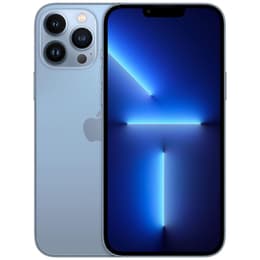
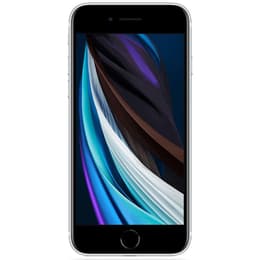
iPhone 13 Pro Max Vs iPhone SE (2020)
- 1-year minimum warranty
- Free delivery on all orders
- Free 30-day returns
Differences at a glance
The iPhone 13 Pro Max, released in September 2021, and the iPhone SE (2nd generation), launched in April 2020, are both Apple smartphones running on the iOS operating system. While both offer a consistent software experience, they cater to different user preferences through their distinct designs, performance capabilities, and camera systems. The 13 Pro Max represents a larger, more advanced device with a focus on high-end features, whereas the SE 2020 provides a more compact form factor with essential smartphone functionalities.
Available Models
Colour
Storage (GB)
Scores
Durability
The expected practical lifespan of a smartphone is influenced by its release timeline, software support, and physical durability. These two iPhone models, despite both being Apple devices, present different longevity prospects.
- Release Timeline and OS Support: The iPhone 13 Pro Max, being released in late 2021, benefits from a more recent launch, meaning it will likely receive iOS updates for a longer duration compared to the iPhone SE 2020, which was released in early 2020. This extended software support for the 13 Pro Max translates to more years of access to the latest features, security patches, and app compatibility.
- Physical Durability: The iPhone 13 Pro Max features a Ceramic Shield front cover, which is designed to offer enhanced drop performance. Both devices carry an IP67 rating for water and dust resistance, indicating they can withstand immersion in up to 1 meter of water for 30 minutes.
- Repairability: The iPhone SE 2020 has been noted for its relatively straightforward repairability, scoring 6 out of 10 by iFixit, partly due to its use of components interchangeable with the iPhone 8. The iPhone 13 Pro Max, while robust, generally presents a more complex repair process due to its advanced internal design.
Year of Release
2021
2020
Compatible with latest Update
Yes
Yes
OS
iOS
iOS
Foldable
No
No
Performance
Performance in smartphones is determined by the internal processing unit, how efficiently it manages tasks, and the available storage, all of which impact daily usage.
- Processing Power: The iPhone 13 Pro Max is equipped with a newer-generation processor, offering a significant boost in speed and efficiency compared to the iPhone SE 2020's processor. This translates to smoother operation for demanding applications, faster game loading times, and more fluid multitasking on the 13 Pro Max.
- Battery Behavior: The iPhone 13 Pro Max is recognized for its exceptional battery life, often providing up to two days of use for many users, even with heavy usage. In contrast, the iPhone SE 2020's battery typically lasts a full day for light to moderate users, but heavy usage, particularly with video streaming or gaming, can deplete it more quickly, often requiring a charge before the day ends.
- Storage Options and Multitasking: The iPhone 13 Pro Max offers a wider range of storage capacities, including a 1TB option, alongside a larger amount of internal memory (RAM), which contributes to its ability to handle numerous apps simultaneously without slowdowns. The iPhone SE 2020 comes with standard storage options and less internal memory, making it suitable for everyday tasks but potentially less adept at managing a high volume of active applications.
Screen quality
The display is a primary interface for smartphone interaction, and these two models offer distinct visual experiences.
- Display Technology and Size: The iPhone 13 Pro Max features a larger 6.7-inch Super Retina XDR OLED display, providing deep blacks, vibrant colors, and excellent contrast. The iPhone SE 2020 has a more compact 4.7-inch Retina HD IPS LCD display, which offers good color accuracy but does not achieve the same level of contrast or black levels as an OLED panel.
- Resolution and Brightness: The 13 Pro Max boasts a higher resolution of 2778 x 1284 pixels, resulting in a sharper image with a pixel density of 458 ppi, and can reach significantly higher brightness levels (up to 1000 nits typical, 1200 nits peak for HDR) for better outdoor visibility and HDR content. The SE 2020 has a resolution of 1334 x 750 pixels at 326 ppi and a maximum brightness of 625 nits.
- Refresh Rate: A key difference is the 13 Pro Max's ProMotion technology, which provides an adaptive refresh rate from 10Hz to 120Hz, making scrolling and animations appear noticeably smoother. The iPhone SE 2020 operates at a standard 60Hz refresh rate.
Resolution
1284 x 2778
750 x 1334
Screen type
Super Retina XDR OLED
Retina IPS LCD
Audiovisual
Camera capabilities are a significant factor for many users, and these two iPhones offer different photographic and videographic experiences.
- Rear Camera System: The iPhone 13 Pro Max features a versatile triple-camera system, including Wide, Ultra Wide, and Telephoto lenses with 3x optical zoom, enabling a broad range of photographic styles, including macro photography. The iPhone SE 2020 has a single 12-megapixel wide camera, which performs well in good lighting conditions and supports Portrait mode through software processing.
- Low-Light and Video Performance: The 13 Pro Max offers significantly improved low-light performance across all its lenses, thanks to larger sensors and wider apertures. It also introduces advanced video features like Cinematic mode for depth-of-field effects and ProRes video recording for professional workflows. The SE 2020 can record 4K video, but its low-light photography and video capabilities are more limited compared to the 13 Pro Max.
- Audio Quality: Both devices offer stereo speakers for media consumption. The iPhone 13 Pro Max generally provides a richer audio experience, while both are capable of clear microphone quality for calls and recordings.
Main camera
12 megapixels
12 megapixels
Front camera
12 megapixels
7 megapixels
Miscellaneous
Beyond core features, several practical elements contribute to the overall user experience and daily convenience.
- Connectivity: The iPhone 13 Pro Max supports 5G connectivity, offering faster cellular data speeds in compatible areas, alongside Wi-Fi 6 and Bluetooth 5.0. The iPhone SE 2020 supports 4G LTE, Wi-Fi 6, and Bluetooth 5.0, providing reliable wireless connections for most users.
- Physical Design and Biometrics: The 13 Pro Max is a larger and heavier device, weighing 240 grams, with a stainless steel frame and a full-screen design that utilizes Face ID for secure authentication. The SE 2020 is more compact and lighter at 148 grams, featuring an aluminum frame and the classic Home button with Touch ID for fingerprint authentication.
- Ports and Sensors: Both models use the Lightning port for charging and data transfer. Neither includes a traditional 3.5mm headphone jack. The 13 Pro Max includes a LiDAR scanner for enhanced augmented reality experiences and improved low-light focusing, a feature absent on the SE 2020.
Weight
238 g
148 g
Screen size (in)
6.7
4.7
Network
5G
4G
SIM card
Physical SIM + eSIM
Physical SIM + eSIM
Carrier compatibility
Unlocked
Unlocked
Connector
Lightning
Lightning
What the community thinks
User feedback for the iPhone 13 Pro Max frequently highlights its exceptional battery life and advanced camera system as major strengths. Many users praise its vibrant display and smooth performance, making it a strong choice for those who prioritize multimedia consumption and demanding tasks. Common criticisms often relate to its larger size and weight, which some find less comfortable for one-handed use.
The iPhone SE 2020 is often lauded for its compact form factor and the familiarity of the Touch ID home button. Users appreciate its capable performance for everyday tasks, especially considering its release year. However, its battery life is a frequent point of concern for heavy users, and its display technology and single camera are noted as areas where it doesn't match more modern or premium devices.
Users prioritizing a large, immersive display, extensive battery life, and a highly versatile camera system with advanced features will find the iPhone 13 Pro Max well-suited to their needs. This device is ideal for content creators, mobile gamers, and individuals who require a powerful smartphone for extended periods. Conversely, users who prefer a smaller, lighter device that is easy to handle, offers reliable performance for daily communication and app usage, and features the traditional Home button with Touch ID may lean toward the iPhone SE 2020. This model is a practical choice for those seeking core iPhone functionality in a classic design.
For consumers evaluating these options, considering quality-assured refurbished alternatives can provide an eco-friendly way to access either device, extending their lifecycle and offering a sustainable choice.