

Galaxy A25 Vs Galaxy A56

Galaxy A25
Galaxy A25
Starting at

Refurbished price:134.00

Versus €319.11 new

See options
Galaxy A56
Galaxy A56
Starting at

Refurbished price:259.00

Versus €502.00 new

See options

Ratings

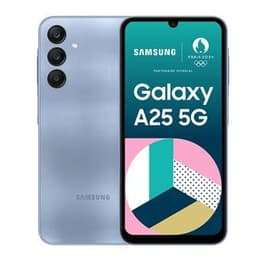
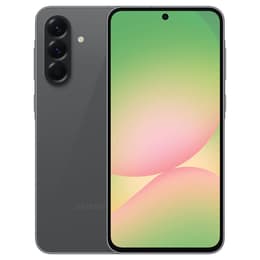
The Samsung Galaxy A25, released in December 2023, and the Samsung Galaxy A56, launched in March 2025, are both mid-range smartphones from Samsung's popular A-series. While sharing the Android operating system and a commitment to a balanced user experience, these devices cater to slightly different needs through their distinct hardware and feature sets. The Galaxy A56, being the newer model, introduces several enhancements in design, performance, and camera capabilities, positioning it as a more refined option compared to the capable but more budget-conscious Galaxy A25.

Scores

Durability

When considering the long-term usability of a smartphone, factors like software support and physical durability are key. The Galaxy A25 and A56 offer different levels of longevity and build quality.

  • Software Updates: The Galaxy A25 launched with Android 14 and is slated to receive four major Android OS upgrades and five years of security updates, extending its software relevance for a considerable period. The newer Galaxy A56, however, offers an extended commitment with six Android OS upgrades and six years of security updates, starting with Android 15. This longer support period means the A56 will remain current with the latest features and security patches for an additional two years compared to the A25.
  • Physical Durability: The Galaxy A25 features a Gorilla Glass 5 display and a plastic frame and back, providing a reasonable level of protection for everyday use. It does not carry a formal IP rating for water and dust resistance. In contrast, the Galaxy A56 presents a more robust build, incorporating Gorilla Glass Victus+ on both the front and back, coupled with an aluminum frame. Furthermore, the A56 boasts an IP67 rating, indicating resistance to dust and immersion in water up to 1 meter for 30 minutes. This makes the A56 a more resilient device against environmental elements.
  • Repairability: While specific repairability scores for the A25 are not widely published, the Galaxy A55 (the A56's predecessor) received a high repairability score of 8.5 out of 10, indicating ease of disassembly and part replacement. It is reasonable to expect the Galaxy A56 to maintain or improve upon this standard, suggesting that both devices are designed with some consideration for maintenance, though the A56 likely benefits from newer design principles aimed at easier repairs.

Year of Release

2023

2025

Compatible with latest Update

Yes

Yes

OS

Android

Android

Foldable

No

No

Performance

The performance of a smartphone is largely determined by its internal processing power and memory configuration, impacting how smoothly applications run and how efficiently multitasking is handled.

  • Processing Power: The Galaxy A25 is equipped with a processor that handles daily tasks and moderate applications adequately. While some users have noted it can be underwhelming for demanding tasks, it generally provides a smooth experience for common activities like browsing, social media, and light gaming. The Galaxy A56 features a newer and more capable processor, designed to offer a noticeable improvement in overall speed and efficiency. This translates to faster app loading times, smoother transitions, and a more responsive experience, particularly when running multiple applications simultaneously or engaging in more graphically intensive games.
  • Memory and Storage: Both devices offer various configurations for RAM and internal storage. The Galaxy A25 is available with 6GB or 8GB of RAM and 128GB or 256GB of internal storage, with the added flexibility of expanding storage up to 1TB via a microSD card. The Galaxy A56 comes with 8GB or 12GB of RAM and 128GB or 256GB of internal storage. A significant difference is that the Galaxy A56 does not support expandable storage via a microSD card, meaning users must rely solely on the internal storage option chosen at purchase.
  • Battery Performance: Both smartphones are powered by a 5000 mAh battery, a capacity known for providing substantial usage time. The Galaxy A25 supports 25W fast charging. The Galaxy A56 enhances this with 45W fast charging, allowing for quicker replenishment of the battery. While both offer good battery life for typical daily use, the A56's faster charging capability provides a practical advantage for users who need to power up quickly.

Memory (GB)

6 GB

8 GB

Screen quality

The display is a primary interface for smartphone interaction, and both the Galaxy A25 and A56 offer vibrant viewing experiences with some key distinctions.

  • Display Technology and Size: Both devices feature Super AMOLED displays, known for their deep blacks, high contrast, and vivid colors. The Galaxy A25 has a 6.5-inch display, offering a comfortable viewing area for media consumption and daily tasks. The Galaxy A56 provides a slightly larger 6.7-inch display, which can enhance the immersive experience for videos and gaming.
  • Resolution and Refresh Rate: Both phones share a Full HD+ resolution (1080 x 2340 pixels), ensuring sharp and clear visuals for text and images. They also both feature a 120Hz refresh rate, contributing to smoother scrolling, more fluid animations, and a more responsive touch experience.
  • Brightness and Protection: The Galaxy A25's display can reach up to 1000 nits of peak brightness in high brightness mode, offering good visibility in various lighting conditions. It is protected by Corning Gorilla Glass 5. The Galaxy A56 significantly improves on brightness, reaching up to 1900 nits of peak brightness, which provides superior outdoor visibility, especially under direct sunlight. Its display is further protected by the more advanced Gorilla Glass Victus+, offering enhanced scratch and drop resistance.

Resolution

1080x2340

1080 x 2340

Screen type

Super AMOLED

Super AMOLED

Audiovisual

The camera systems on the Galaxy A25 and A56 are designed to capture a range of moments, with the A56 offering more advanced capabilities.

  • Rear Camera System: The Galaxy A25 features a triple-camera setup with a 50-megapixel main sensor with Optical Image Stabilization (OIS), an 8-megapixel ultrawide lens, and a 2-megapixel macro lens. This setup is capable of capturing detailed photos in good lighting, though some users have noted its low-light performance can be challenging. The Galaxy A56 also comes with a triple-camera system, including a 50-megapixel main sensor with OIS, a 12-megapixel ultrawide lens, and a 5-megapixel macro lens. The higher resolution ultrawide and macro sensors on the A56 allow for more detailed and versatile shots across different perspectives.
  • Front Camera and Video Recording: For selfies and video calls, the Galaxy A25 has a 13-megapixel front camera. The Galaxy A56 features a 12-megapixel front camera, which, despite a slightly lower megapixel count, is noted for offering an upgrade in quality and improved image processing. Both devices are capable of recording video at up to 4K resolution at 30 frames per second, providing clear and detailed video capture. The A56 also includes AI capabilities for enhanced photo editing, such as improved subject detection in portrait mode and features like Object Eraser.
  • Overall Photography Experience: The A25 provides a solid camera experience for its segment, suitable for everyday photography. The A56, with its upgraded ultrawide and macro lenses, improved front camera quality, and integrated AI features, offers a more comprehensive and refined photography experience, particularly for users who enjoy experimenting with different shot types and post-capture editing.

Main camera

50 megapixels

4K@30fps

Front camera

13 megapixels

13 megapixels

Miscellaneous

Beyond the core specifications, several other features contribute to the overall user experience and practical utility of these smartphones.

  • Connectivity and Ports: Both the Galaxy A25 and A56 support 5G connectivity for faster mobile data speeds. The A25 includes Wi-Fi 5 (802.11ac) and Bluetooth 5.3. The A56 steps up with Wi-Fi 6 (802.11ax) and Wi-Fi 6E, along with Bluetooth 5.4, offering faster and more stable wireless connections. The Galaxy A25 retains a 3.5mm headphone jack and a USB-C 2.0 port. The Galaxy A56, however, omits the 3.5mm headphone jack, relying solely on its USB-C port for wired audio and charging.
  • Biometric Security: The Galaxy A25 features a side-mounted fingerprint sensor, integrated into the power button, for convenient unlocking. The Galaxy A56 incorporates an in-display fingerprint sensor, offering a more modern and seamless unlocking experience, alongside face unlock capabilities.
  • Design and Handling: The Galaxy A25 has dimensions of 161 x 76.5 x 8.3 mm and weighs 197g. Its construction primarily uses plastic for the frame and back. The Galaxy A56, with its aluminum frame and glass front and back, offers a more premium feel. It measures 162.2 x 77.5 x 7.4 mm and weighs 198g, making it slightly taller and wider but thinner than the A25, with a similar weight. The A56 also features an IP67 rating for dust and water resistance, a significant durability advantage over the A25.

Weight

197 g

197 g

Screen size (in)

6.5

6.5

Network

5G

5G

SIM card

Physical SIM

Dual Physical SIM + eSIM

Carrier compatibility

Unlocked

Unlocked

Connector

USB-C

USB-C

The Samsung Galaxy A25 and Galaxy A56 both offer compelling features within Samsung's mid-range smartphone lineup, but they cater to users with differing priorities. User feedback for the Galaxy A25 often praises its vibrant Super AMOLED display, 120Hz refresh rate, and the inclusion of a 3.5mm headphone jack and expandable storage, which are increasingly rare features. Criticisms sometimes point to its processor performance being merely adequate for demanding tasks and its low-light camera capabilities.

The Galaxy A56, as the newer model, generally receives acclaim for its more premium build quality with an aluminum frame and Gorilla Glass Victus+ protection, its brighter display, and significantly longer software support. Users appreciate the faster 45W charging and the improved camera system with AI features. However, the removal of the microSD card slot and the 3.5mm headphone jack might be points of concern for some users who value these functionalities.

Users prioritizing a more robust build, extended software longevity, faster charging, and a more refined camera experience may find the Galaxy A56 to be a better fit. Its enhanced durability features and brighter display also make it suitable for those who frequently use their phone outdoors or in more challenging environments. Conversely, users who value a lower entry point, expandable storage, and the convenience of a traditional headphone jack, and who primarily engage in everyday tasks and moderate usage, might find the Galaxy A25 to be a practical and capable choice. Both devices, especially when considering quality-assured refurbished options, represent eco-friendly alternatives for consumers looking to make informed and sustainable purchasing decisions.


See all articles

Our recent comparisons