

Google Pixel Fold Vs Xiaomi Redmi Note 14 4G

Google Pixel Fold
Google Pixel Fold
Starting at

Refurbished price:454.00

Versus €1,750.29 new

See options
Xiaomi Redmi Note 14 4G
Starting at

Refurbished price:162.00

Versus €229.99 new

See options

Ratings

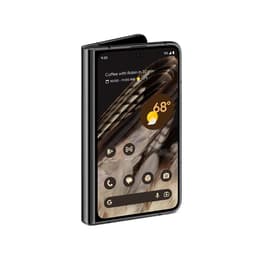
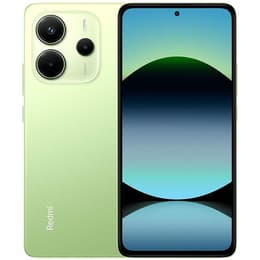
The Google Pixel Fold, released in June 2023, represents a premium foldable smartphone experience, offering a large internal display for productivity and entertainment. In contrast, the Xiaomi Redmi Note 13 4G, launched in January 2024, is a traditional slab smartphone designed for everyday use. As the Redmi Note 14 4G is not yet officially released with verifiable specifications, this comparison will use the Redmi Note 13 4G as a representative of Xiaomi's recent 4G Redmi Note series, providing insight into the typical features and performance users can expect from this line. Both devices operate on the Android platform, offering a wide ecosystem of applications.

Scores

Durability

The durability of these two devices varies significantly due to their distinct form factors and design philosophies.

  • Release Timeline and Software Support: The Google Pixel Fold, released in mid-2023, is expected to receive several years of Android operating system updates, typically extending to around 2028 or 2029. The Redmi Note 13 4G, launched in early 2024, will also benefit from multiple years of Android updates, likely through 2028. Both offer a substantial period of software longevity.
  • Physical Construction and Protection: The Pixel Fold features a sophisticated folding mechanism and an IPX8 water resistance rating, indicating protection against submersion in water. Its internal display, being foldable, requires careful handling. The Redmi Note 13 4G, a traditional smartphone, comes with an IP54 rating for dust and splash resistance and utilizes Gorilla Glass 3 for its display, offering protection against scratches and minor impacts.
  • Expected Practical Lifespan: While both devices are built for daily use, the Pixel Fold's innovative design introduces unique considerations for long-term mechanical durability related to its hinge and flexible screen. The Redmi Note 13 4G, with its conventional design, offers a more straightforward durability profile.

Year of Release

2023

2025

OS

Android

Android

Foldable

Yes

No

Performance

The performance profiles of the Pixel Fold and Redmi Note 13 4G cater to different user expectations and usage patterns.

  • Processor Capabilities: The Pixel Fold is equipped with a processor designed for demanding tasks, enabling smooth multitasking across its large internal display, efficient handling of complex applications, and responsive gaming experiences. The Redmi Note 13 4G features a processor optimized for everyday activities, providing fluid navigation, reliable app launching, and adequate performance for casual gaming.
  • Multitasking and Responsiveness: With its advanced processing unit and ample memory, the Pixel Fold excels at running multiple applications simultaneously, allowing users to switch between tasks without noticeable delays. The Redmi Note 13 4G handles typical multitasking scenarios effectively, though users engaging in very heavy application loads might observe occasional pauses.
  • Storage Options: Both devices offer various internal storage configurations, allowing users to choose based on their needs for applications, photos, and media. The Pixel Fold typically starts with higher storage capacities, aligning with its premium positioning, while the Redmi Note 13 4G provides practical storage options suitable for most users.

Memory (GB)

12 GB

6 GB

Screen quality

The display experience is a primary differentiator between these two devices, largely due to the Pixel Fold's unique form factor.

  • Display Technology and Size: The Google Pixel Fold features two OLED displays: a 5.8-inch cover screen and a larger 7.6-inch internal foldable screen, both offering deep blacks and vibrant colors. The Redmi Note 13 4G sports a single 6.67-inch AMOLED display, also known for its rich color reproduction and contrast.
  • Resolution and Clarity: Both devices provide high-resolution displays, ensuring sharp text and detailed images for media consumption and general use. The Pixel Fold's larger internal screen offers an expansive canvas for immersive viewing and productivity.
  • Brightness and Refresh Rate: Both the Pixel Fold's displays and the Redmi Note 13 4G's screen offer high brightness levels, making them suitable for outdoor visibility. Additionally, both devices feature a 120Hz refresh rate, contributing to smoother scrolling and more fluid animations during interaction.

Resolution

1840 x 2208

1080x2400

Audiovisual

The camera systems and audio capabilities reflect the distinct design and target user of each device.

  • Camera System Capabilities: The Google Pixel Fold integrates a versatile triple camera system, including a 48-megapixel main sensor, a 10.8-megapixel ultrawide lens, and a 10.8-megapixel telephoto lens, designed for detailed photography across various scenarios. The Redmi Note 13 4G features a triple camera setup with a high-resolution 108-megapixel main sensor, an 8-megapixel ultrawide, and a 2-megapixel macro lens, focusing on capturing high-detail images in good lighting.
  • Photography Performance: The Pixel Fold leverages advanced computational photography to deliver consistent image quality, particularly excelling in low-light conditions and portraiture. The Redmi Note 13 4G performs well in bright environments, capturing clear and vibrant photos, with its ultrawide lens offering a broader perspective.
  • Video and Audio Experience: Both devices are capable of recording high-quality video, though the Pixel Fold offers more advanced stabilization and cinematic features. For audio, the Pixel Fold typically provides a more robust stereo speaker experience, while the Redmi Note 13 4G delivers clear audio suitable for media consumption and calls.

Miscellaneous

Beyond core features, several practical elements differentiate the user experience of these two smartphones.

  • Connectivity Options: The Google Pixel Fold supports 5G connectivity, Wi-Fi 6E, and Bluetooth 5.2, offering fast wireless speeds and efficient connections. The Redmi Note 13 4G, as its name suggests, primarily supports 4G LTE networks, along with Wi-Fi 5 and Bluetooth 5.1, providing reliable everyday connectivity.
  • Port Types and Biometrics: Both devices utilize a USB-C port for charging and data transfer. The Pixel Fold incorporates a side-mounted fingerprint sensor for secure unlocking. The Redmi Note 13 4G features an under-display fingerprint sensor, offering a seamless unlocking experience.
  • Physical Design and Handling: The Pixel Fold is a larger and heavier device when unfolded, offering a tablet-like experience, but it folds into a more compact form factor. The Redmi Note 13 4G maintains a traditional smartphone design, making it lighter and easier to handle with one hand for extended periods.

Weight

283 g

196 g

Screen size (in)

7.6

6.67

Network

5G

4G

SIM card

Physical SIM + eSIM

Physical SIM + eSIM

Carrier compatibility

Unlocked

Unlocked

Users often praise the Google Pixel Fold for its innovative foldable design, which provides a versatile large screen for productivity and media consumption, alongside its capable camera system and premium build. Some common considerations include its weight and the unique durability aspects of a foldable display. The Redmi Note 13 4G is frequently lauded for its bright AMOLED display, long-lasting battery, and solid performance for its segment, making it a reliable choice for daily tasks. Criticisms sometimes point to its 4G-only connectivity in an increasingly 5G world and its camera performance in challenging lighting conditions.

Users prioritizing a cutting-edge form factor, advanced camera features, and a large, immersive display for multitasking may find the Google Pixel Fold well-suited to their needs. Conversely, users seeking a dependable, traditional smartphone experience with a strong battery, a vibrant display, and robust everyday performance will likely lean towards the Redmi Note 13 4G. Both devices offer distinct advantages, catering to different user preferences. For those considering either device, exploring quality-assured refurbished options can provide an eco-friendly alternative.

See all articles

Our recent comparisons







