

Compare models
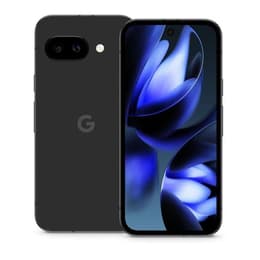
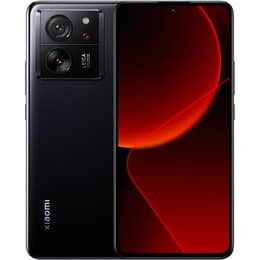
Google Pixel 9a Vs Xiaomi 13T
- 1-year minimum warranty
- Free delivery on all orders
- Free 30-day returns
Differences at a glance
The Google Pixel 9a (2025) and the Xiaomi 13T (2023) are contemporary smartphones designed for users seeking reliable daily performance, versatile capabilities, and modern features. While the Google Pixel 9a focuses on long-term software support and streamlined artificial intelligence tools, the Xiaomi 13T prioritizes media consumption elements and rapid charging capabilities. Both devices run on the Android operating system with distinct manufacturer interfaces, catering to slightly different user preferences for software navigation and daily utility.
Available Models
Colour
Storage (GB)
Scores
Durability
Evaluating the lifecycle and durability of these smartphones reveals differing approaches to software longevity and physical build specifications over time.
- Software longevity and updates: The Google Pixel 9a benefits from an extended software support window, receiving updates for several years following its launch. The Xiaomi 13T offers a shorter, yet substantial, update schedule typical of its release year.
- Build quality and repairability: Both models feature water and dust resistance certifications, though their physical construction varies with distinct glass and composite back panels. Users seeking maximum software support longevity will find the Pixel option well-aligned with extended use.
Year of Release
2025
2023
Compatible with latest Update
Yes
Yes
OS
Android
Android
Foldable
No
No
Performance
Daily operation and hardware efficiency dictate how smoothly each device handles multitasking, media playback, and applications during everyday tasks.
- Multitasking and responsiveness: The Google Pixel 9a handles demanding applications and background processes smoothly thanks to its current-generation internal processor paired with 8GB of RAM. The Xiaomi 13T utilizes a capable multi-core processor configuration alongside generous RAM allocation, ensuring quick app transitions and steady gaming performance.
- Battery behavior and capacity: The Pixel model includes a high-capacity battery designed to comfortably support a full day of mixed usage. The Xiaomi alternative provides a similarly large power cell complemented by fast-charging protocols that replenish energy rapidly when connected to compatible adapters.
Screen quality
Display characteristics define the visual experience for streaming video, reading, and navigating menus in various lighting conditions.
- Display technology and clarity: The Google Pixel 9a features a vibrant OLED display with crisp resolution and balanced color reproduction. The Xiaomi 13T incorporates an expansive AMOLED panel boasting a high refresh rate for exceptionally smooth scrolling and fluid interface animations.
- Brightness and outdoor visibility: Both screens reach high peak brightness levels, ensuring readability under direct sunlight, though their physical dimensions differ slightly, with the Xiaomi offering a more expansive viewing area.
Resolution
2424 x 1080
1220 x 2712
Audiovisual
Optics and multimedia performance vary between these two models, offering different tools for capturing daily moments and enjoying audio content.
- Camera hardware and processing: The Google Pixel 9a relies on a dual-rear camera system paired with computational photography software to deliver detailed everyday photos and consistent low-light performance. The Xiaomi 13T features a triple-lens rear setup including a dedicated telephoto option for optical zoom versatility.
- Audio and video output: Both devices support high-definition video recording with stabilization, while their stereo speaker setups provide clear sound output for media consumption and hands-free calls.
Front camera
13 megapixels
20 megapixels
Miscellaneous
Practical everyday features, connectivity standards, and physical handling traits shape the overall user experience.
- Connectivity and ports: Both models support 5G networks, modern Wi-Fi standards, Bluetooth connectivity, and NFC for contactless payments, utilizing USB-C ports for charging and data transfer.
- Physical dimensions and weight: The Google Pixel 9a offers a lighter, more compact profile that fits easily into smaller pockets, whereas the Xiaomi 13T presents a slightly heavier, broader footprint designed to accommodate its larger screen. Opting for a quality-assured refurbished option provides a sustainable choice for acquiring either device while reducing electronic waste.
Weight
186 g
193 g
Screen size (in)
6.3
6.67
Network
5G
5G
SIM card
Physical SIM + eSIM
Dual Physical SIM
Carrier compatibility
Unlocked
Unlocked
Connector
USB-C
USB-C
What the community thinks
User feedback from online communities highlights distinct praise points for each smartphone. Owners of the Google Pixel 9a frequently commend its reliable battery duration, clean software interface, and comfortable one-handed usability. Meanwhile, users of the Xiaomi 13T often praise its fluid display refresh rate, rapid charging speeds, and versatile camera focal lengths. Common discussions occasionally note that the Pixel's storage is non-expandable, while some Xiaomi users mention that the camera bump protrudes noticeably from the chassis.
Users prioritizing extended software update commitments and a lightweight build may prefer the Google Pixel 9a, while users prioritizing a larger screen, faster power replenishment, and dedicated optical zoom capabilities may lean toward the Xiaomi 13T. Considering a quality-assured refurbished option serves as an eco-friendly alternative when making a final decision between these two capable Android devices.