

Compare models

Google Pixel 9a Vs iPhone 16 Plus

  • 1-year minimum warranty
  • Free delivery on all orders
  • Free 30-day returns
Google Pixel 9a
Starting at

Refurbished price:€360.00

Versus €586.09 new

See options
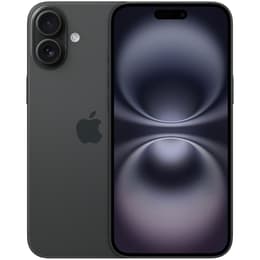
iPhone 16 Plus
Starting at

Refurbished price:€565.00

Versus €979.00 new

See options

Differences at a glance

The Google Pixel 9a (2025) and the Apple iPhone 16 Plus (2024) represent distinct approaches to modern smartphone engineering, balancing different software ecosystems and physical form factors. While the Pixel 9a emphasizes a compact build and integrated artificial intelligence features running on Android, the iPhone 16 Plus offers a larger screen area, extended physical dimensions, and the iOS operating system.

These devices cater to users with different platform preferences and daily workflow requirements, making a direct comparison helpful for identifying which model fits specific usage habits.

Available Models

Colour

Storage

Scores

Durability

Both smartphones are built to remain functional and secure over many years of daily use, though their manufacturer update models and repair procedures differ.

  • Software longevity: The Google Pixel 9a receives seven full years of operating system and security updates, matching the software support timeline of flagship devices. The iPhone 16 Plus benefits from Apple's long-standing track record of supporting devices with periodic system updates for roughly five to six years.
  • Build durability: Both models feature robust dust and water resistance ratings to handle accidental exposure to the elements, while utilizing resilient exterior materials designed to withstand everyday wear and tear.
  • Repair considerations: Component accessibility varies between the two manufacturers, with standardized repair paths available through official channels and independent repair networks alike for both product families.

Year of Release

2025

2024

Compatible with latest Update

Yes

Yes

Foldable

No

No

Performance

System responsiveness and everyday capabilities differ based on how each hardware configuration manages intensive tasks and background processing.

  • Multitasking and app execution: Both devices handle daily applications, web browsing, and demanding tasks smoothly, utilizing efficient internal hardware to switch between open programs without noticeable stutter.
  • Battery endurance: The Pixel 9a includes a large capacity power cell engineered to easily sustain a full day of mixed use, whereas the iPhone 16 Plus leverages optimized power management to deliver prolonged video playback and standby longevity.
  • Storage configurations: Both handsets are available in multiple tier options to accommodate varied media storage needs, operating systems, and application libraries without expandable storage slots.

Screen quality

Display characteristics shape media consumption and outdoor readability, driven by contrasting panel technologies and physical dimensions.

  • Display panels: The Pixel 9a features a vibrant OLED display with a high variable refresh rate for smooth scrolling through content. The iPhone 16 Plus utilizes a large Super Retina XDR OLED panel with high peak brightness levels for clear outdoor visibility, operating at a standard refresh rate.
  • Viewing space: The iPhone 16 Plus provides an expansive viewing canvas suited for reading documents and watching videos, while the Pixel 9a offers a more compact footprint that is easier to manage with one hand.
  • Color accuracy: Both screens support wide color gamuts, delivering sharp text rendering, deep contrast ratios, and realistic color reproduction for photos and media.

Resolution

2424 x 1080

1290 x 2796

Audiovisual

Imaging hardware and built-in audio-visual tools provide flexible options for capturing everyday moments and media playback.

  • Camera systems: The Pixel 9a utilizes a dual rear camera setup paired with advanced computational photography software for balanced low-light and portrait shots. The iPhone 16 Plus features a high-resolution primary fusion sensor alongside a dedicated physical control button for quick camera access.
  • Video recording: Both models support stable high-resolution video capture with effective stabilization features to minimize hand shake during movement.
  • Media audio: Stereo speaker setups on both devices deliver clear sound output for hands-free calls, casual video viewing, and music playback.

Front camera

13 megapixels

12 megapixels

Miscellaneous

Connectivity standards, physical dimensions, and handling elements define how each device integrates into daily routines.

  • Connectivity and ports: Both smartphones support modern 5G cellular networks, advanced Wi-Fi standards, and universal USB-C connectivity for charging and data transfer.
  • Physical handling: The Pixel 9a features a flat matte back texture and lighter weight for secure handling, whereas the larger iPhone 16 Plus offers a more prominent build that accommodates its expansive screen.
  • Biometric security: Both models provide secure authentication methods through facial recognition technology or integrated fingerprint sensors for quick device unlocking.

Weight

186 g

199 g

Screen size (in)

6.3

6.7

Network

5G

5G

SIM card

Physical SIM + eSIM

eSIM

Carrier compatibility

Unlocked

Unlocked

Connector

USB-C

USB-C (USB 2)

What the community thinks

User feedback highlights distinct preferences for each device based on operating system familiarity and physical size. Owners of the Google Pixel 9a frequently praise its clean software interface, reliable all-day battery life, and compact handling, though some note a preference for faster charging speeds. Conversely, users of the iPhone 16 Plus appreciate its expansive display estate, long-lasting battery performance during media playback, and seamless ecosystem integration, while occasional feedback points to its larger physical footprint as less ideal for single-handed use.

Users prioritizing a compact form factor, extended software support timelines, and the Android environment may find the Google Pixel 9a well-suited to their needs. Meanwhile, users prioritizing a larger screen area, iOS functionality, and high media endurance will likely lean toward the iPhone 16 Plus. For consumers seeking a quality-assured refurbished option that aligns with sustainable purchasing habits, choosing a professionally restored device provides an eco-friendly alternative without compromising on performance.









