

Google Pixel 9 Vs iPhone 16 Pro Max

Google Pixel 9
Google Pixel 9
Starting at

Refurbished price:376.00

Versus €1,066.71 new

See options
iPhone 16 Pro Max
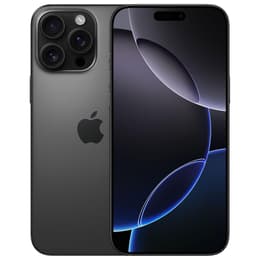
iPhone 16 Pro Max
Starting at

Refurbished price:821.00

Versus €1,489.00 new

See options

Ratings

The Google Pixel 9, expected in late 2024, and the iPhone 16 Pro Max, released in September 2024, represent distinct approaches to high-end smartphone design and functionality. While both devices offer advanced mobile experiences, they cater to different user ecosystems and prioritize unique features. The Pixel 9 operates on the Android platform, emphasizing artificial intelligence integration and a streamlined user interface, whereas the iPhone 16 Pro Max runs on iOS, focusing on a cohesive ecosystem and robust performance. A key differentiator lies in their camera systems and display sizes, with the iPhone 16 Pro Max featuring a larger screen and a more comprehensive camera array compared to the standard Pixel 9.

Scores

Durability

The longevity of a smartphone is influenced by its software support, physical durability, and ease of repair. Both the Google Pixel 9 and the iPhone 16 Pro Max are designed for extended use, though their approaches differ.

  • Software Support: The Google Pixel 9 is expected to receive seven years of operating system and security updates, aligning with Google's commitment to long-term software support for its newer devices. This provides an extended period of access to the latest features and security enhancements. The iPhone 16 Pro Max typically receives iOS updates for approximately five to six years from its release, ensuring a substantial lifespan for software compatibility and security.
  • Repairability: The iPhone 16 Pro Max has shown significant advancements in repairability, achieving a score of 7 out of 10 from iFixit. This improvement over previous generations indicates easier access for common repairs, such as battery replacements. The Google Pixel 9 received a provisional repairability score of 5 out of 10, indicating progress but noting that components like the battery still utilize strong adhesives, which can complicate repairs.
  • Practical Lifespan: Both devices are built with durable materials, but the iPhone 16 Pro Max's improved repairability score suggests a potentially more straightforward path to extending its physical lifespan through component replacement. The Pixel 9's extensive software support ensures its functional relevance for a considerable duration.

Year of Release

2024

2024

Compatible with latest Update

Yes

Yes

Foldable

No

No

Performance

Performance is a critical aspect for daily smartphone use, impacting everything from app responsiveness to demanding tasks like gaming and video editing. Both devices are equipped with powerful internal components designed to handle a wide range of activities.

  • Processing Capabilities: The iPhone 16 Pro Max is powered by a current-generation processor, designed for enhanced performance and energy efficiency. This allows for smooth multitasking, rapid app loading, and efficient handling of graphically intensive applications. The Google Pixel 9 features a new generation of its custom-designed processor, which focuses on integrating advanced artificial intelligence capabilities and delivering a responsive user experience for everyday tasks.
  • Battery Behavior: The iPhone 16 Pro Max includes a larger battery capacity, the largest ever fitted in an iPhone, contributing to extended usage between charges. It also supports faster wired and wireless charging. The Google Pixel 9 is expected to offer improved battery life compared to its predecessors, with claims of achieving a full day of use for many users, and supports a widely adopted wireless charging standard.
  • Multitasking and Responsiveness: The iPhone 16 Pro Max is equipped with ample memory to support demanding applications and seamless transitions between multiple open apps. The Pixel 9 also provides sufficient memory to ensure smooth operation and efficient handling of background processes, particularly benefiting from its AI-driven optimizations.

Memory (GB)

12 GB

8 GB

Screen quality

The display is the primary interface for smartphone interaction, and both devices offer high-quality viewing experiences with distinct characteristics.

  • Display Technology and Clarity: The iPhone 16 Pro Max features a large OLED display, known for its deep blacks, vibrant colors, and high contrast. The Google Pixel 9 also utilizes an OLED panel, providing rich colors and good contrast for media consumption and daily use.
  • Size and Viewing Experience: The iPhone 16 Pro Max boasts a significantly larger 6.9-inch display, offering an expansive canvas for content viewing, gaming, and productivity. The standard Google Pixel 9 features a more compact 6.1-inch to 6.24-inch display, which may appeal to users preferring a smaller form factor for one-handed use.
  • Brightness and Refresh Rate: The iPhone 16 Pro Max maintains a high refresh rate for smooth scrolling and responsive interactions. The Pixel 9 is expected to offer improved peak brightness, reaching up to 1,800 nits for full HDR content, enhancing visibility in various lighting conditions, and a high refresh rate for fluid visuals.

Resolution

1080 x 2424

1320 x 2868

Screen type

OLED

LTPO Super Retina XDR OLED

Audiovisual

Both the Google Pixel 9 and the iPhone 16 Pro Max are designed to deliver advanced photographic and videographic capabilities, though with different hardware configurations and software philosophies.

  • Camera System Configuration: The iPhone 16 Pro Max features a versatile triple-lens rear camera system, including a 48-megapixel main sensor, a new 48-megapixel ultra-wide camera, and a 5x telephoto lens for optical zoom. The standard Google Pixel 9 comes with a dual-camera setup, featuring an upgraded 50-megapixel ultrawide camera alongside its main sensor, but it does not include a dedicated telephoto lens.
  • Photography Performance: The iPhone 16 Pro Max offers enhanced low-light photography and improved detail capture across its lenses, with the new ultra-wide camera providing sharper wide-angle shots. The Pixel 9 focuses on computational photography, with improvements to low-light shooting and a new HDR+ imaging pipeline for more true-to-life photos. Both devices offer advanced features for capturing high-quality images in various conditions.
  • Video Recording and Audio: The iPhone 16 Pro Max supports 4K video recording at up to 120 frames per second, offering high-resolution and high-frame-rate video capture. The Pixel 9 also provides robust video capabilities, with its upgraded front-facing camera supporting 4K video recording. Both devices aim for clear audio capture for calls and video.

Main camera

50 megapixels

48 megapixels

Front camera

10.5 megapixels

12 megapixels

Miscellaneous

Beyond core performance and camera, several practical features contribute to the overall user experience and device utility.

  • Connectivity and Ports: The iPhone 16 Pro Max supports the latest Wi-Fi 7 standard for faster wireless connections and continues to utilize its proprietary charging port, now with faster wired charging speeds. The Google Pixel 9 is expected to introduce satellite connectivity, allowing for messaging in areas without traditional cellular service, and supports the Qi2 wireless charging standard.
  • Biometric Security and Interaction: The iPhone 16 Pro Max features advanced facial recognition for secure unlocking and payments, along with a customizable Action Button and a new Camera Control Button for quick access to functions. The Pixel 9 is expected to offer a reliable fingerprint sensor for biometric authentication.
  • Build Materials and Dimensions: The iPhone 16 Pro Max utilizes a titanium frame, contributing to its premium feel and durability, and features a larger overall footprint due to its expansive display. The Google Pixel 9 is rumored to feature a redesigned camera bar and flat edges, offering a distinct aesthetic and a more compact form factor compared to the iPhone 16 Pro Max.

Weight

198 g

227 g

Screen size (in)

6.3

6.9

Network

5G

5G

SIM card

Physical SIM + eSIM

Physical SIM + eSIM

Carrier compatibility

Unlocked

Unlocked

Connector

USB-C

USB-C (USB 3)

The Google Pixel 9 and iPhone 16 Pro Max cater to users with differing priorities, reflecting their respective operating system philosophies and hardware focuses. Users often praise the iPhone 16 Pro Max for its powerful performance, seamless integration within the Apple ecosystem, and its comprehensive, high-quality camera system, particularly the inclusion of a telephoto lens and advanced video capabilities. Some users might find its larger size a consideration for one-handed use. The Pixel 9, on the other hand, is frequently lauded for its innovative AI features, clean Android experience, and its commitment to long-term software support. Potential criticisms might revolve around the standard model's lack of a dedicated telephoto camera compared to its Pro counterparts or the iPhone 16 Pro Max.

For individuals who prioritize a large, immersive display, a robust triple-camera system with optical zoom, and deep integration with the iOS ecosystem, the iPhone 16 Pro Max presents a compelling option. Its enhanced repairability also offers a practical benefit for long-term ownership. Conversely, users who value cutting-edge artificial intelligence, an extended software update commitment, and the introduction of features like satellite connectivity within the Android environment may find the Google Pixel 9 more aligned with their needs. Both devices represent significant advancements in smartphone technology, and for those seeking a quality-assured refurbished option, both models are likely to become available, offering a sustainable choice for consumers.


See all articles

Our recent comparisons