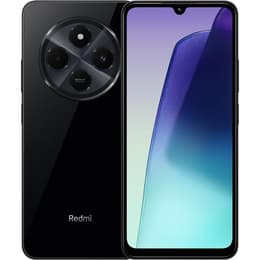


Google Pixel 7A Vs Xiaomi Redmi 14C

Google Pixel 7A
Google Pixel 7A
Starting at

Refurbished price:164.00

Versus €649.99 new

See options
Xiaomi Redmi 14C
Xiaomi Redmi 14C
Starting at

Refurbished price:102.50

Versus €160.00 new

See options

Ratings

The Google Pixel 7a, released in May 2023, and the Xiaomi Redmi 14C, introduced in late 2024 or early 2025, represent distinct approaches to smartphone design and functionality. While both operate on the Android platform, they cater to different user priorities through their hardware and software implementations. The Pixel 7a emphasizes a streamlined Android experience with advanced computational photography, whereas the Redmi 14C focuses on a large display and extended battery life.

Scores

Durability

When considering the long-term usability of these devices, their release timelines and software support policies are key factors.

  • Software Longevity: The Google Pixel 7a, launched in May 2023, is expected to receive operating system updates for five years and security updates until at least May 2028. This commitment ensures a prolonged period of access to the latest Android features and security enhancements. [1, 32, 36, 37, 40, 43] The Xiaomi Redmi 14C, released later in 2024 or early 2025, typically follows a different update schedule, often receiving fewer major Android version updates and security patches for a shorter duration compared to Pixel devices.
  • Physical Durability: The Pixel 7a features an IP67 rating for dust and water resistance, indicating protection against immersion in water up to 1 meter for 30 minutes, along with a Corning Gorilla Glass 3 front for screen protection. [9, 13, 15] The Redmi 14C generally utilizes a plastic build for its frame and back, and some variants may offer an IP52 rating, providing protection against limited dust ingress and splashing water. [5, 12, 28]
  • Repairability: Both devices are designed with modern smartphone construction, and their repairability can vary depending on the specific components and design choices. Users seeking to extend the life of their devices might consider quality-assured refurbished options, which often come with warranties and have undergone professional inspection and repair.

Year of Release

2023

2024

OS

Android

Android

Foldable

No

No

Performance

The performance of a smartphone is crucial for daily tasks, from browsing to demanding applications.

  • Processing Power: The Google Pixel 7a is equipped with a processor designed to handle demanding applications, facilitate smooth multitasking, and power advanced AI features, contributing to a responsive user experience. [1, 2, 8, 10] The Xiaomi Redmi 14C typically incorporates a processor optimized for everyday use, such as web browsing, social media, and casual gaming, providing a capable experience for general smartphone functions. [5, 11, 12, 22, 23, 28, 31, 39]
  • Memory and Storage: The Pixel 7a comes with 8GB of RAM and 128GB of internal storage, which is not expandable. [1, 2, 8, 9, 10, 13] This configuration supports efficient multitasking and provides ample space for applications and media. The Redmi 14C offers various configurations, including 4GB, 6GB, or 8GB of RAM and 128GB or 256GB of internal storage, with the added flexibility of expandable storage via a microSD card. [4, 5, 11, 12, 22, 31, 39]
  • Battery Behavior: The Pixel 7a houses a 4385 mAh battery, which, combined with its efficient processor, aims to provide a full day of use for many users, though heavy usage may require more frequent charging. [1, 2, 15, 16, 18, 27, 35] The Redmi 14C features a larger 5160 mAh battery, designed to offer extended usage times, making it suitable for users who prioritize longer periods between charges. [4, 5, 11, 12, 22, 28, 31, 39]

Memory (GB)

8 GB

4 GB

Screen quality

The display is a primary interface for smartphone interaction, and both devices offer different visual experiences.

  • Display Technology and Resolution: The Google Pixel 7a features a 6.1-inch OLED display with a Full HD+ resolution of 1080 x 2400 pixels. [1, 2, 6, 7, 8, 9, 10, 13] This OLED technology delivers deep blacks, high contrast, and vibrant colors, enhancing the viewing of photos, videos, and text. The Xiaomi Redmi 14C typically comes with a larger 6.88-inch IPS LCD panel, offering an HD+ resolution of 720 x 1640 pixels. [5, 11, 12, 22, 25, 31, 39]
  • Refresh Rate and Brightness: The Pixel 7a's display has a 90Hz refresh rate, providing smoother scrolling and a more fluid visual experience compared to standard 60Hz screens. [1, 2, 7, 10] It also supports HDR content. The Redmi 14C boasts a higher 120Hz refresh rate, contributing to very smooth animations and responsiveness, and offers a peak brightness of around 600 nits, which aids visibility in various lighting conditions. [5, 11, 12, 22, 39]
  • Screen Size and Viewing Experience: The Pixel 7a's more compact 6.1-inch screen is well-suited for one-handed use and portability. The Redmi 14C's larger 6.88-inch display provides an expansive canvas for media consumption and multitasking, offering a more immersive viewing experience for videos and games.

Resolution

1080 x 2400

720x1640

Audiovisual

Camera capabilities are a significant differentiator, with both phones offering distinct photographic strengths.

  • Rear Camera System: The Google Pixel 7a features a dual-camera setup on the rear, including a 64-megapixel main sensor with optical image stabilization (OIS) and a 13-megapixel ultrawide lens. [1, 2, 14, 17, 21, 33] It is known for its advanced computational photography, which enhances image quality across various scenarios, including low light. The Xiaomi Redmi 14C typically includes a 50-megapixel main camera, often accompanied by an auxiliary lens for depth or macro shots. [5, 11, 12, 22, 28, 31, 39]
  • Front Camera and Video Recording: For selfies and video calls, the Pixel 7a has a 13-megapixel front camera. [1, 17] Both front and main rear cameras on the Pixel 7a are capable of recording video at 4K resolution, with the main camera supporting up to 60 frames per second. [1, 14, 17] The Redmi 14C generally features a 13-megapixel front camera and supports video recording up to 1080p at 30 frames per second for both front and rear cameras. [5, 11, 12, 22, 31, 39]
  • Photography Features: The Pixel 7a includes features like Night Sight for improved low-light photography, Magic Eraser for object removal, and Photo Unblur. [34] The Redmi 14C often provides various photography modes such as HDR, Night mode, and Portrait mode, aiming to offer versatile shooting options for everyday users. [22, 39]

Miscellaneous

Beyond core features, several practical elements contribute to the overall user experience.

  • Connectivity and Ports: The Google Pixel 7a supports 5G connectivity, Wi-Fi 6E, and Bluetooth 5.3, offering fast wireless communication. [1, 13] It features a USB-C port for charging and data transfer. The Xiaomi Redmi 14C typically supports 4G connectivity (with some variants offering 5G), Wi-Fi, and Bluetooth 5.4. [11, 12, 28, 31, 39] It also includes a USB-C port and often retains a 3.5mm headphone jack, which can be a convenience for users with wired audio accessories. [12, 39]
  • Biometric Security: The Pixel 7a incorporates an under-display fingerprint sensor and supports face unlock for secure and convenient access. [1, 13, 17] The Redmi 14C commonly features a side-mounted fingerprint sensor, integrated into the power button, and also offers AI face unlock. [5, 11, 12, 39]
  • Design and Handling: The Pixel 7a has dimensions of 152 x 72.9 x 9 mm and weighs 193.5 grams, offering a relatively compact and manageable form factor. [1, 3, 9, 13, 19, 20] The Redmi 14C is a larger device, measuring around 171.88 x 77.8 x 8.22 mm and weighing between 204-211 grams, providing a more substantial feel in hand. [4, 5, 12, 39]

Weight

193 g

207 g

Screen size (in)

6.1

6.88

Network

5G

4G

SIM card

Physical SIM + eSIM

Dual Physical SIM

Carrier compatibility

Unlocked

Unlocked

User feedback for the Google Pixel 7a often highlights its exceptional camera performance, particularly its ability to produce high-quality images in various conditions, and its clean, intuitive Android experience. [2, 14, 17] Users also appreciate its consistent software updates and the inclusion of features like wireless charging and an IP67 rating. Some common criticisms include its battery life, which some heavy users find to be merely adequate, and its charging speed. [16, 27] The Pixel 7a is generally seen as a strong contender for those prioritizing camera quality and a pure Android experience.

For the Xiaomi Redmi 14C, common praise points revolve around its large display, which offers an immersive viewing experience, and its extended battery life, providing prolonged usage between charges. [22, 23, 38] Users also often value the inclusion of expandable storage and the 3.5mm headphone jack. Criticisms sometimes point to the display's HD+ resolution, which may not be as sharp as higher-resolution panels, and the overall performance for very demanding tasks. The Redmi 14C is often regarded as a practical choice for users who prioritize screen size, battery endurance, and expandable storage.

Users prioritizing advanced camera capabilities, a compact design, and a long-term commitment to software updates may find the Google Pixel 7a well-suited to their needs. Conversely, users who value a larger display for media consumption, extended battery life, and the flexibility of expandable storage might lean toward the Xiaomi Redmi 14C. Both devices offer compelling features for different user profiles, and considering a quality-assured refurbished option can be an eco-friendly alternative for either model.




