

Compare models
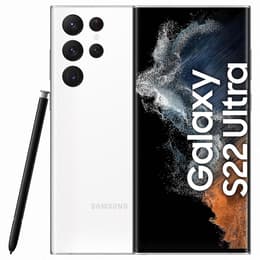
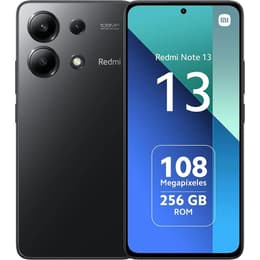
Galaxy S22 Ultra 5G Vs Xiaomi Redmi Note 13 4G
- 1-year minimum warranty
- Free delivery on all orders
- Free 30-day returns
Differences at a glance
The Samsung Galaxy S22 Ultra 5G (2022) and the Xiaomi Redmi Note 13 4G (2024) represent different segments of the smartphone market, blending former flagship capabilities with accessible modern design. While the Galaxy S22 Ultra 5G operates on Android with advanced processing power and an integrated stylus, the Xiaomi Redmi Note 13 4G offers a lightweight, everyday Android experience focused on essential daily tasks. Choosing between these devices depends on whether a user prioritizes advanced productivity tools or a simpler, budget-conscious daily device.
Available Models
Colour
Storage (GB)
Scores
Durability
When examining longevity, these devices cater to different update timelines and build quality standards based on their original market positioning.
- Software support: The Galaxy S22 Ultra 5G benefits from an extended multi-year update policy typical of high-end models, while the Xiaomi Redmi Note 13 4G receives standard security patches tailored for its category.
- Build durability: The Galaxy S22 Ultra 5G features robust glass and aluminum construction with high-tier water resistance, whereas the Xiaomi Redmi Note 13 4G utilizes plastic components with basic splash resistance.
- Expected lifespan: Premium internal hardware allows the Galaxy S22 Ultra 5G to maintain long-term capability for demanding users, while the Xiaomi Redmi Note 13 4G serves users well for standard tasks over a shorter lifecycle.
Year of Release
2022
2024
Compatible with latest Update
Yes
Yes
OS
Android
Android
Foldable
No
No
Performance
Performance and multitasking capabilities differ significantly due to the distinct hardware tiers of each smartphone.
- Processing speed: The Galaxy S22 Ultra 5G handles heavy apps, intense multitasking, and complex gaming effortlessly, while the Xiaomi Redmi Note 13 4G manages casual web browsing, messaging, and light apps reliably.
- Battery behavior: The Galaxy S22 Ultra 5G requires daily charging under heavy workloads due to its powerful components, whereas the Xiaomi Redmi Note 13 4G often stretches through a full day of moderate use on a single charge.
- Storage capacity: High-tier storage configurations on the Galaxy S22 Ultra 5G accommodate large media libraries, while the Xiaomi Redmi Note 13 4G offers balanced options supplemented by expandable storage slots.
Screen quality
Visual output and display technologies provide distinct viewing experiences for media consumption and daily navigation.
- Display technology: Both models utilize vibrant OLED panels with deep contrast levels, though the Galaxy S22 Ultra 5G features a curved edge and higher peak brightness for outdoor legibility.
- Refresh rate: Smooth scrolling and fluid animations are standard on both devices through high refresh rate support, enhancing the responsiveness of daily interactions.
- Screen size: The larger, expansive canvas of the Galaxy S22 Ultra 5G suits productivity and note-taking, while the more compact form factor of the Xiaomi Redmi Note 13 4G offers comfortable single-handed use.
Resolution
1440 x 3088
1080 x 2400
Screen type
Dynamic AMOLED 2X
AMOLED
Audiovisual
Imaging and multimedia features cater to distinct photography styles and audio-visual preferences.
- Camera systems: The Galaxy S22 Ultra 5G includes a versatile multi-lens setup featuring high-resolution zoom capabilities, whereas the Xiaomi Redmi Note 13 4G relies on a simpler main sensor configuration for everyday snapshots.
- Low-light performance: Advanced image processing on the Galaxy S22 Ultra 5G captures sharp details in dark environments, while the Xiaomi Redmi Note 13 4G performs adequately in well-lit conditions.
- Audio output: Stereo speakers on both devices provide clear sound for casual video viewing, though neither includes a traditional headphone jack.
Main camera
108 megapixels
108 megapixels
Front camera
40 megapixels
16 megapixels
Miscellaneous
Practical daily features and physical connectivity options define the physical interaction with each smartphone.
- Connectivity standards: The Galaxy S22 Ultra 5G supports fast 5G networks and advanced Wi-Fi bands, whereas the Xiaomi Redmi Note 13 4G is restricted to 4G LTE network speeds.
- Biometric security: Ultrasonic under-display fingerprint sensors and secure facial recognition power the Galaxy S22 Ultra 5G, while the Xiaomi Redmi Note 13 4G uses optical fingerprint scanning.
- Physical handling: The heavier, boxier chassis of the Galaxy S22 Ultra 5G houses an integrated stylus, while the lighter build of the Xiaomi Redmi Note 13 4G reduces hand fatigue during prolonged calls.
Weight
228 g
175 g
Screen size (in)
6.8
6.67
Network
5G
4G
SIM card
Physical SIM + eSIM
Dual Physical SIM
Carrier compatibility
Unlocked
Unlocked
Connector
USB-C
USB-C
What the community thinks
User feedback from online communities highlights distinct preferences for each device. Owners of the Galaxy S22 Ultra 5G frequently praise its expansive display, versatile multi-lens camera system, and integrated stylus functionality, though some note that battery life diminishes quickly under heavy processing loads. Conversely, users of the Xiaomi Redmi Note 13 4G appreciate its reliable everyday battery performance and lightweight build, while noting limitations in processing heavy applications and missing high-speed connectivity options.
Users prioritizing advanced productivity, detailed mobile photography, and fast network speeds may prefer the Galaxy S22 Ultra 5G. Meanwhile, users prioritizing a lightweight daily communicator for standard messaging and media browsing may lean toward the Xiaomi Redmi Note 13 4G. Buyers interested in sustainable choices can explore the quality-assured refurbished options available on Back Market to find either model inspected and restored to optimal working condition. Ultimately, the choice rests on matching device capabilities with individual daily usage requirements.