

Compare models

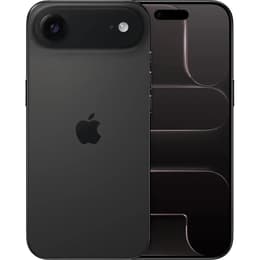
Google Pixel 10 Vs iPhone Air

  • 1-year minimum warranty
  • Free delivery on all orders
  • Free 30-day returns
Google Pixel 10
Starting at

Refurbished price:517.00

Versus €779.00 new

See options
iPhone Air
Starting at

Refurbished price:739.00

Versus €1,339.00 new

See options

Differences at a glance

The Google Pixel 10 (2025) and the Apple iPhone Air (2025) represent unique approaches to modern smartphone engineering, balancing daily utility with distinct design philosophies. While the Pixel 10 focuses on an all-rounded user experience powered by versatile camera additions and long-term software support, the iPhone Air prioritizes an ultra-slim physical profile and lightweight handling. Operating on Android and iOS respectively, these devices serve different ecosystem preferences while targeting everyday users who value modern mobile capabilities.

Available Models

Colour

Storage (GB)

Scores

Durability

Both devices launched within the same annual cycle, ensuring modern baseline longevity and extended update windows for users choosing either ecosystem.

  • Software Support: The Google Pixel 10 features an extensive multi-year commitment of major operating system upgrades, whereas the iPhone Air maintains Apple's typical long-term software update schedule.
  • Build Integrity: Both smartphones utilize robust outer materials designed to handle regular daily wear, though their structural profiles differ significantly in thickness and weight distribution.
  • Practical Lifespan: Robust internal memory configurations and modern component architectures ensure both devices will remain responsive and relevant for years of typical daily use.

Year of Release

2025

2025

Compatible with latest Update

Yes

Yes

OS

Android

iOS

Foldable

No

No

Performance

Handling everyday apps, multitasking, and media playback efficiently, both handsets offer reliable speeds suited to modern digital routines.

  • System Responsiveness: Each model runs demanding mobile applications smoothly, manages background processes cleanly, and transitions between active tasks without noticeable lag.
  • Battery Behavior: The Google Pixel 10 incorporates a large capacity cell suited to sustained daily use, while the iPhone Air balances its slender frame with optimized power efficiency to last through standard routines.
  • Multitasking Capacity: Ample built-in RAM allocation ensures smooth app switching, quick web browsing sessions, and steady performance during heavier workloads.

Screen quality

Visual output across both displays emphasizes sharp detail, deep contrast, and comfortable viewing in varied lighting conditions.

  • Display Technology: Both models utilize vibrant OLED panels that deliver vivid colors, true blacks, and sharp resolutions for media viewing and text clarity.
  • Outdoor Visibility: High peak brightness levels ensure text and images remain easily legible when viewed under direct sunlight.
  • Refresh Dynamics: Fast adaptive refresh rates provide fluid scrolling through menus, web pages, and supported interactive applications.

Resolution

1080x2424

2736x1260

Screen type

OLED

Super Retina XDR

Audiovisual

Imaging hardware and software integration allow both smartphones to capture detailed photographs and high-definition video clips effortlessly.

  • Photography Systems: The Google Pixel 10 employs a flexible multi-lens array including dedicated zoom capabilities, while the iPhone Air relies on a streamlined single-lens high-resolution setup backed by advanced image processing.
  • Video and Audio: Both units record stable, crisp video footage accompanied by clear microphone pickup for calls and voice memos.
  • Media Consumption: Integrated speaker output delivers clear audio performance suitable for casual podcast listening and video streaming.

Front camera

42 megapixels

18 megapixels

Miscellaneous

Physical dimensions and connectivity options shape how each device fits into travel bags, pockets, and daily accessory setups.

  • Connectivity Standards: Both phones support fifth-generation cellular networks, modern wireless protocols, and precise location tracking features.
  • Physical Ports: Each model uses standard reversible USB connectors for wired charging and data transfers.
  • Handling and Form Factor: The iPhone Air emphasizes an exceptionally thin and lightweight chassis, whereas the Pixel 10 provides a slightly thicker, contoured grip housing a larger internal battery.

Weight

204 g

165 g

Screen size (in)

6.3

6.5

Network

5G

5G

SIM card

Physical SIM + eSIM

eSIM

Carrier compatibility

Unlocked

Unlocked

Connector

USB-C

USB-C

What the community thinks

User feedback highlights distinct preferences for each device based on real-world handling and ecosystem needs. Owners frequently praise the Google Pixel 10 for its versatile multi-lens camera setup, robust battery capacity, and deep integration of intelligent daily assistance tools. Conversely, users often commend the iPhone Air for its groundbreaking ultra-thin titanium chassis, comfortable lightweight feel, and smooth software ecosystem interaction. Some community discussions note that the slim profile of the iPhone Air results in a more basic single-lens rear camera layout, while certain users mention that the Pixel 10 carries a slightly bulkier footprint in comparison.

Users who prioritize a lightweight, exceptionally slim design and prefer iOS will find the iPhone Air well-suited to their daily routine. Meanwhile, users who value a versatile camera array, larger battery endurance, and the Android operating system will lean toward the Google Pixel 10. For those looking to make a sustainable choice, opting for a quality-assured refurbished option provides a practical way to acquire either device while minimizing environmental impact. Ultimately, the right choice depends on personal preferences regarding physical handling, camera versatility, and software environment.