

Compare models
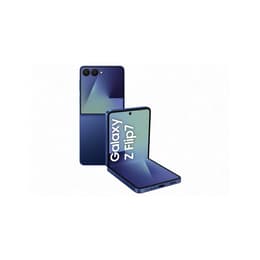
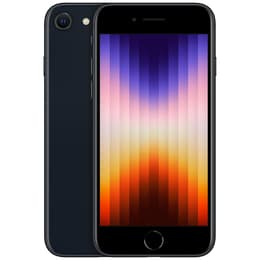
Galaxy Z Flip7 Vs iPhone SE (2022)
- 1-year minimum warranty
- Free delivery on all orders
- Free 30-day returns
Differences at a glance
The Samsung Galaxy Z Flip7 (2025) and the Apple iPhone SE (2022) represent two distinct approaches to smartphone design and functionality. While the Galaxy Z Flip7 offers an innovative foldable form factor running Android, the iPhone SE utilizes a traditional compact body powered by iOS. They cater to very different preferences regarding build style and operating system.
Available Models
Colour
Storage
Scores
Durability
Both devices offer differing long-term outlooks based on their release timelines and software update commitments.
- Release timeline and software support: The Galaxy Z Flip7 benefits from a much newer launch year, ensuring extended software updates and security patches compared to the older iPhone SE.
- Build and structural longevity: The iPhone SE features a classic rigid body with glass and aluminum, whereas the Galaxy Z Flip7 introduces a complex folding hinge mechanism that requires mindful handling over years of daily use.
- Expected practical lifespan: Users can expect prolonged system relevancy from the Galaxy Z Flip7 due to its modern hardware platform, while the iPhone SE relies on streamlined software to maintain everyday usability.
Year of Release
2025
2022
Compatible with latest Update
Yes
Yes
OS
Android
iOS
Foldable
Yes
No
Performance
System responsiveness and day-to-day handling vary significantly between these two contrasting hardware platforms.
- Multitasking and app switching: The Galaxy Z Flip7 handles demanding workloads, heavy applications, and split-screen multitasking with smooth efficiency, supported by ample system memory.
- Everyday navigation: The iPhone SE runs routine tasks, web browsing, and standard messaging swiftly, benefiting from efficient software optimization despite having fewer background resources.
- Battery behavior: The Galaxy Z Flip7 generally sustains a full day of mixed use with its larger cell capacity, whereas the smaller battery inside the iPhone SE often necessitates a recharge during heavier usage cycles.
Screen quality
Display characteristics present a stark visual contrast between a modern flexible panel and a traditional compact screen.
- Display technology: The Galaxy Z Flip7 utilizes a flexible OLED panel that delivers deep contrast levels and vibrant colors, whereas the iPhone SE employs a traditional LCD screen with standard viewing angles.
- Outdoor visibility: High peak brightness levels on the Galaxy Z Flip7 ensure clear legibility under direct sunlight, while the iPhone SE requires more direct shading for comfortable outdoor reading.
- Refresh rate and fluidity: Scrolling through menus and web pages feels smoother on the Galaxy Z Flip7 due to its high refresh rate support, contrasting with the standard fixed refresh rate on the iPhone SE.
Resolution
1080x2520
750 x 1334
Audiovisual
Optics and media playback capabilities cater to varying multimedia preferences.
- Camera system versatility: The Galaxy Z Flip7 features a dual rear camera setup including a main lens and an ultra-wide option, whereas the iPhone SE relies on a single rear camera for everyday snapshots.
- Low-light and video performance: Processing algorithms on the Galaxy Z Flip7 capture brighter details in dim environments, while the iPhone SE delivers reliable video stabilization and crisp everyday recording.
- Audio and media output: Stereo speakers on both devices provide clear dialogue during calls and video playback, though the larger folding screen of the Galaxy Z Flip7 creates a more immersive viewing environment.
Front camera
10 megapixels
7 megapixels
Miscellaneous
Physical dimensions, connectivity, and daily ergonomics differ notably between the two models.
- Form factor and portability: The Galaxy Z Flip7 folds compactly to fit easily into smaller pockets, while the iPhone SE maintains a slim, lightweight rigid profile with a physical home button.
- Biometric security: The Galaxy Z Flip7 relies on facial recognition and a side-mounted fingerprint sensor, whereas the iPhone SE utilizes a front-facing fingerprint sensor integrated into the traditional home button.
- Connectivity standards: Both smartphones support modern fifth-generation cellular networks and fast wireless standards for dependable on-the-go data connections.
Weight
188 g
144 g
Screen size (in)
6.9
4.7
Network
5G
5G
SIM card
Physical SIM + eSIM
Physical SIM + eSIM
Carrier compatibility
Unlocked
Unlocked
Connector
USB-C
Lightning
What the community thinks
User feedback highlights distinct preferences for each device across community discussions. Owners of the Galaxy Z Flip7 frequently praise its compact folded pocketability, expansive inner display, and flexible standing angles for hands-free media viewing. At the same time, some users note that the folding crease remains faintly visible and handling the delicate hinge requires extra care. Conversely, admirers of the iPhone SE often commend its familiar lightweight design, reliable physical home button, and straightforward operating system. Common criticisms for the iPhone SE focus on its limited battery longevity and smaller screen workspace for modern media consumption.
Choosing between these devices depends heavily on personal workflow priorities. Users prioritizing a modern folding display, versatile multi-lens photography, and a large workspace will find the Galaxy Z Flip7 well-suited to their needs. Meanwhile, users who prefer a compact traditional phone with a physical home button and a straightforward operating system may lean toward the iPhone SE. For those seeking an eco-friendly alternative, choosing a quality-assured refurbished option provides a sustainable way to acquire either model without compromising on performance.










