

Compare models
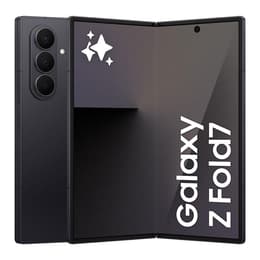
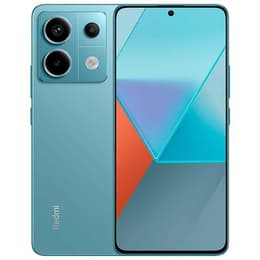
Galaxy Z Fold7 Vs Xiaomi Redmi Note 13 Pro
- 1-year minimum warranty
- Free delivery on all orders
- Free 30-day returns
Differences at a glance
The Samsung Galaxy Z Fold7 (2025) and the Xiaomi Redmi Note 13 Pro (2024) represent two distinct approaches to modern smartphone design, contrasting a foldable flagship concept with a traditional candy-bar form factor. While they target completely different segments of the mobile market, both devices deliver capable everyday performance and distinct user experiences. Operating on customized versions of the Android platform, they manage daily multitasking and software tasks through different hardware architectures.
Available Models
Colour
Storage
Scores
Durability
When evaluating structural longevity and software support, these devices offer contrasting timelines based on their release schedules and hardware categories.
- Release timeline and support: The Galaxy Z Fold7 benefits from a newer 2025 release window, ensuring extended major operating system upgrades, whereas the Redmi Note 13 Pro launched in late 2023/early 2024 with a more traditional support lifecycle.
- Hardware durability: The Galaxy Z Fold7 utilizes specialized folding glass and advanced hinge engineering designed for long-term folding use, while the Redmi Note 13 Pro relies on a rigid glass-backed candy-bar chassis with standard drop resistance.
- Expected practical lifespan: Both devices maintain strong multi-year usability, though foldable hardware requires more careful physical handling over extended periods compared to standard rigid frames.
Year of Release
2025
2023
Compatible with latest Update
Yes
Yes
OS
Android
Android
Foldable
Yes
No
Performance
Underneath their exteriors, both smartphones handle daily workloads, application launching, and resource-heavy tasks using different tiers of processing capability.
- System responsiveness: The Galaxy Z Fold7 handles demanding 3D gaming and intensive multitasking effortlessly, while the Redmi Note 13 Pro smoothly manages standard daily apps, social media, and moderate browsing.
- Memory and multitasking: Higher RAM configurations on the foldable model allow numerous apps to stay active simultaneously, whereas mid-range memory allocations on the Xiaomi device handle standard background task-switching reliably.
- Battery behavior: The Galaxy Z Fold7 manages power across two distinct screens for a full day of mixed use, while the Redmi Note 13 Pro utilizes a single-screen setup designed for efficient daily battery endurance.
Screen quality
Visual output represents a major differentiator, contrasting a transforming dual-screen foldable canvas with a traditional immersive single display.
- Display technology: The Galaxy Z Fold7 features a flexible OLED inner panel paired with a wide outer screen, whereas the Redmi Note 13 Pro utilizes a flat, vibrant AMOLED display with high contrast.
- Outdoor visibility: Both models achieve high peak brightness levels, ensuring clear legibility and vibrant colors even under bright sunlight.
- Refresh rate and smoothness: Both devices support high refresh rates, resulting in smooth scrolling through web pages, menus, and compatible applications.
Resolution
1968x2184
1220 x 2712
Audiovisual
Imaging hardware on both smartphones accommodates diverse photography styles, ranging from high-resolution sensors to flexible multi-lens arrays.
- Main photography: The Galaxy Z Fold7 combines high-megapixel main sensors with advanced image processing for balanced clarity, while the Redmi Note 13 Pro utilizes a high-resolution primary sensor capable of detailed daylight shots.
- Secondary lenses: Both models include supporting ultra-wide sensors to capture broader landscapes and group photos.
- Media consumption: Stereo speakers on both devices provide clear audio output for videos and calls, though the folding screen offers a tablet-sized viewing area for media.
Miscellaneous
Practical daily usability elements vary significantly due to the fundamental differences in device architecture and physical build.
- Connectivity and ports: Both models feature modern 5G connectivity and fast wireless standards, utilizing standard USB-C ports for charging and data transfer.
- Security sensors: The Galaxy Z Fold7 integrates a side-mounted fingerprint scanner and facial recognition, while the Redmi Note 13 Pro uses an in-display fingerprint sensor.
- Form factor and weight: The Galaxy Z Fold7 offers a dual-screen folding layout in a slim frame, whereas the Redmi Note 13 Pro presents a lighter, traditional single-plate handheld design.
Weight
215 g
187 g
Screen size (in)
8.0
6.67
Network
5G
5G
SIM card
Dual Physical SIM + eSIM
Dual Physical SIM
Carrier compatibility
Unlocked
Unlocked
What the community thinks
User discussions highlight distinct preferences for each device across community forums. Owners of the Galaxy Z Fold7 frequently praise its expansive inner screen for productivity and multitasking, though some note the physical presence and folding crease require an adjustment period. Conversely, users of the Redmi Note 13 Pro highlight its reliable battery longevity and comfortable single-handed handling, while noting that its processing power is better suited for everyday tasks rather than heavy mobile gaming.
Users prioritizing maximum screen estate for multitasking and media consumption will find the Galaxy Z Fold7 well-suited to their workflow, while users prioritizing a lightweight traditional design and straightforward daily reliability may lean toward the Redmi Note 13 Pro. For those seeking a quality-assured refurbished option, exploring sustainable choices on Back Market provides an eco-friendly alternative to purchasing brand-new hardware. Ultimately, the choice depends entirely on whether a transforming multi-screen experience or a classic smartphone layout best fits your daily routine.









