

Compare models

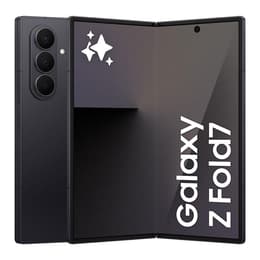
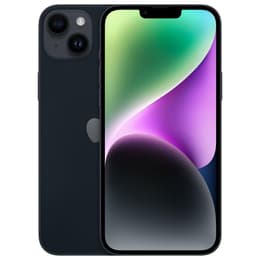
Galaxy Z Fold7 Vs iPhone 14 Plus

  • 1-year minimum warranty
  • Free delivery on all orders
  • Free 30-day returns
Galaxy Z Fold7
Starting at

Refurbished price:€907.00

Versus €2,236.37 new

See options
iPhone 14 Plus
Starting at

Refurbished price:€354.38

Versus €879.00 new

See options

Differences at a glance

The Samsung Galaxy Z Fold 7 (2025) and the Apple iPhone 14 Plus (2022) represent two entirely different approaches to modern smartphone design, contrasting a cutting-edge foldable form factor with a traditional large-screen slate layout. While the Galaxy Z Fold 7 runs on Android and transforms from a standard outer display into a tablet-sized inner screen, the iPhone 14 Plus runs on iOS and focuses on delivering a spacious, fixed glass-and-aluminum display paired with extended battery endurance. These distinct hardware philosophies cater to vastly different user priorities regarding versatility and everyday interaction.

Available Models

Colour

Storage

Scores

Durability

When evaluating long-term utility, these devices approach software support and structural endurance from opposite directions due to their respective release timelines and mechanical designs.

  • Software longevity: The Galaxy Z Fold 7 benefits from a more recent release year, aligning with extended system update commitments, whereas the iPhone 14 Plus relies on Apple's established history of long-term software support for older generations.
  • Build mechanics: The iPhone 14 Plus uses a traditional rigid chassis with fixed glass panels, whereas the Galaxy Z Fold 7 incorporates a complex folding hinge mechanism that requires careful handling over years of daily physical use.
  • Repairability expectations: Traditional slate devices like the iPhone generally present more straightforward paths for routine component maintenance than multi-screen foldable configurations.

Year of Release

2025

2022

Compatible with latest Update

Yes

Yes

OS

Android

iOS

Foldable

Yes

No

Performance

Daily responsiveness and multitasking capabilities vary significantly based on internal hardware generation and operating system optimization.

  • Multitasking and app switching: The Galaxy Z Fold 7 handles heavy workloads and simultaneous multi-window usage smoothly thanks to its high-tier processor capacity and generous memory allocation.
  • System fluidity: The iPhone 14 Plus executes daily applications, messaging, and media playback reliably through tight hardware and software integration, though with fewer active background tasks allowed at once.
  • Battery behavior: The iPhone 14 Plus delivers dependable battery endurance for single-screen media consumption, while the Galaxy Z Fold 7's power consumption varies considerably depending on whether users rely on the compact outer display or the expansive inner screen.

Screen quality

Display technology is the primary differentiator here, shifting between a conventional single-pane panel and a dual-screen transforming layout.

  • Display versatility: The Galaxy Z Fold 7 features a standard cover screen alongside an expansive inner tablet display, whereas the iPhone 14 Plus provides a single, large high-definition OLED screen with consistent color reproduction.
  • Refresh rate smoothness: The Galaxy Z Fold 7 supports a high refresh rate across its screens for fluid scrolling, while the iPhone 14 Plus utilizes a standard fixed refresh rate for its visual output.
  • Outdoor visibility: Both models offer high brightness levels that maintain clarity under direct sunlight, though screen reflections can behave differently on flexible plastic-covered folding panels versus rigid glass.

Resolution

1968x2184

1284 x 2778

Audiovisual

Imaging hardware and media output capabilities reflect distinct focal points for photography and everyday content creation.

  • Camera system versatility: The Galaxy Z Fold 7 features a high-resolution main sensor alongside specialized lenses for varied framing options, while the iPhone 14 Plus employs a dual-lens setup focused on consistent everyday point-and-shoot reliability.
  • Video recording: The iPhone 14 Plus provides stable, high-definition video capture with cinematic focus-shifting tools, whereas the Galaxy Z Fold 7 offers robust multi-angle recording supported by its flexible folding angles.
  • Media consumption: Stereo speakers on both devices deliver clear audio output for calls and video playback, though the larger unfolded canvas of the foldable model creates a more immersive viewing environment.

Miscellaneous

Physical dimensions, connectivity standards, and daily ergonomics dictate how each device fits into travel and professional routines.

  • Handling and footprint: The iPhone 14 Plus presents a wide, thin profile that requires two-handed use for many, while the Galaxy Z Fold 7 offers a narrow outer profile that widens significantly into a tablet when opened.
  • Security features: The Galaxy Z Fold 7 integrates a fast side-mounted fingerprint sensor alongside facial recognition, whereas the iPhone 14 Plus relies exclusively on facial mapping technology.
  • Ecosystem connectivity: Both models support modern 5G cellular networks and high-speed wireless standards, with the iPhone utilizing a traditional proprietary connector port and Samsung adopting universal USB-C standards.

Weight

215 g

203 g

Screen size (in)

8.0

6.7

Network

5G

5G

SIM card

Dual Physical SIM + eSIM

Physical SIM + eSIM

Carrier compatibility

Unlocked

Unlocked

Connector

USB-C (USB 3)

Lightning

What the community thinks

User feedback from online communities highlights distinct preferences for each device. Owners of the iPhone 14 Plus frequently praise its dependable battery longevity, straightforward operating system, and comfortable large-screen media viewing without mechanical complexity. Conversely, Galaxy Z Fold 7 users often commend the unmatched productivity boost of the expansive inner display and modern processing speeds, though some note that the outer screen's narrow width takes time to adjust to. Choosing a quality-assured refurbished option through platforms like Back Market can also provide a sustainable path toward acquiring either device while reducing electronic waste.

Users prioritizing maximum screen workspace, advanced multitasking, and a pocket-sized tablet experience will find the Galaxy Z Fold 7 well-suited to their workflow. Meanwhile, users prioritizing a straightforward operating system, reliable day-long battery performance, and a traditional large-screen smartphone format may lean toward the iPhone 14 Plus. Reviewing these practical trade-offs allows buyers to align their choice with daily usage habits and long-term device expectations.