

Compare models
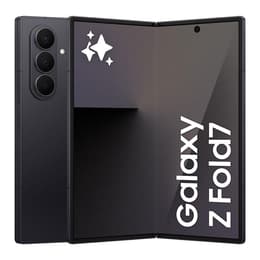
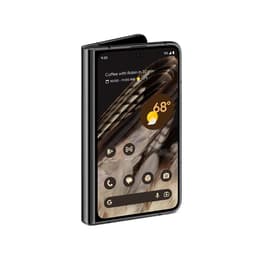
Galaxy Z Fold7 Vs Google Pixel Fold
- 1-year minimum warranty
- Free delivery on all orders
- Free 30-day returns
Differences at a glance
The Samsung Galaxy Z Fold7 (2025) and the Google Pixel Fold (2023) represent different approaches to book-style foldable smartphones, showcasing distinct physical proportions and hardware generations. While both devices bridge the gap between pocket-sized phones and tablet-class displays, they differ significantly in their exterior form factors, system interfaces, and hardware refinement. Each model runs the Android operating system, though tailored with unique manufacturer interfaces and update lifecycles to shape daily use.
Available Models
Colour
Storage
Scores
Durability
When evaluating hardware longevity and software support, these two models occupy different points in their product lifecycles, influencing how long they will remain updated and viable.
- Release timeline and update support: The Galaxy Z Fold7 benefits from an extended software update commitment typical of newer hardware generations, ensuring prolonged system security. The Google Pixel Fold relies on a structured multi-year update schedule dating from its earlier release window.
- Repairability and durability standards: Both models incorporate specialized folding hinges and protective glass layers, though newer generations generally feature refined mechanical tolerances and enhanced scratch resistance for daily folding.
- Expected practical lifespan: Users can expect steady software functionality from both devices, though the newer model provides an extended window of official operating system upgrades and security patches.
Year of Release
2025
2023
Compatible with latest Update
Yes
Yes
OS
Android
Android
Foldable
Yes
Yes
Performance
Underneath their folding chassis, these devices handle multitasking, everyday navigation, and demanding mobile applications through distinct processing architectures and memory configurations.
- Multitasking and system fluidity: Both devices feature ample memory capacity to support split-screen applications, floating windows, and smooth app switching, though current-generation processors handle intensive workloads and thermal management with greater efficiency.
- Storage capacity choices: Both models provide robust internal storage tiers starting at baseline capacities suitable for large media libraries, without expandable memory card slots.
- Battery behavior in daily use: Daily power consumption varies depending on screen usage patterns, with both devices engineered to manage dual-screen power demands through adaptive refresh rates and battery optimization software.
Screen quality
Display characteristics differ notably between the two models, primarily driven by the distinct aspect ratios chosen for their exterior cover screens and unfolded inner panels.
- Form factor and proportions: The Galaxy Z Fold7 features a taller, narrower exterior cover display that transitions into a nearly square inner canvas, whereas the Google Pixel Fold adopts a wider, passport-style exterior screen for a more traditional single-handed typing experience.
- Panel technology and brightness: Both utilize vibrant organic light-emitting diode technology across internal and external panels, delivering deep contrast levels and clear outdoor visibility under direct sunlight.
- Refresh rate and motion smoothness: Both inner and outer screens support high refresh rates, ensuring fluid scrolling animations, responsive touch tracking, and seamless transitions when opening or closing the device.
Resolution
1968x2184
1840 x 2208
Audiovisual
Imaging capabilities and media playback hardware reflect each manufacturer's approach to mobile photography, video recording, and onboard audio output.
- Rear camera systems: Both foldables integrate multi-lens setups featuring main, ultra-wide, and telephoto capabilities, allowing detailed landscape shots, close-ups, and flexible framing options using the folding angles.
- Low-light and video performance: Image processing software on both models balances shadows and highlights effectively in challenging lighting conditions while supporting steady, high-resolution video capture.
- Audio and media consumption: Built-in stereo speakers deliver balanced sound output for hands-free calls, video streaming, and casual gaming sessions on either unfolded display.
Miscellaneous
Physical dimensions, connectivity standards, and daily handling characteristics establish practical differences in portability and convenience.
- Handling and ergonomics: The Galaxy Z Fold7 focuses on a remarkably thin profile and reduced weight when folded, whereas the Google Pixel Fold features a broader, shorter chassis that changes how the device rests in the hand or pocket.
- Connectivity and ports: Both models offer modern wireless standards, dual-SIM flexibility via physical and digital formats, and reversible charging ports for power delivery.
- Security and authentication: Biometric unlocking is handled via responsive fingerprint sensors integrated into side-mounted power keys alongside facial recognition options.
Weight
215 g
283 g
Screen size (in)
8.0
7.6
Network
5G
5G
SIM card
Dual Physical SIM + eSIM
Physical SIM + eSIM
Carrier compatibility
Unlocked
Unlocked
Connector
USB-C (USB 3)
USB-C
What the community thinks
User feedback from online communities highlights distinct preferences regarding the physical design and software experience of each foldable device. Owners of the Google Pixel Fold frequently praise its wider exterior screen proportions, which make typing on the front display feel similar to a conventional smartphone, alongside its clean software interface. Conversely, users often point out that its heavier weight and wider body require a two-handed grip during extended use. Galaxy Z Fold7 users frequently commend its remarkably thin chassis, lightweight feel when folded, and powerful processing headroom, though some note the narrow front screen requires an adjustment period for rapid typing.
Users prioritizing a wider, traditional front-screen shape for everyday single-handed messaging may lean toward the Google Pixel Fold, while users seeking a lighter, thinner profile with expanded internal display workspace will find the Galaxy Z Fold7 well-suited to their needs. For those exploring sustainable technology choices, a quality-assured refurbished option provides an eco-friendly alternative to purchasing newly manufactured hardware. Ultimately, the choice depends on whether a broader cover display or a slimmer, lighter folding footprint better matches your daily mobile habits.









