

Galaxy Z Fold4 Vs iPhone 12 Pro

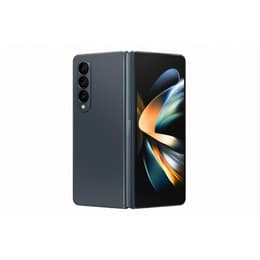
Galaxy Z Fold4
Galaxy Z Fold4
Starting at

Refurbished price:433.00

Versus €1,889.00 new

See options
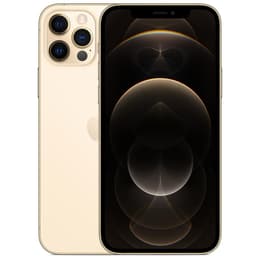
iPhone 12 Pro
iPhone 12 Pro
Starting at

Refurbished price:214.00

Versus €1,039.00 new

See options

Ratings

The Samsung Galaxy Z Fold4, released in August 2022, and the Apple iPhone 12 Pro, launched in October 2020, represent distinct approaches to smartphone design and functionality. The primary differentiator lies in their form factor: the Z Fold4 offers an innovative foldable design with a large, adaptable display, while the iPhone 12 Pro provides a traditional, streamlined smartphone experience. These devices also operate on different ecosystems, with the Z Fold4 running Android and the iPhone 12 Pro utilizing iOS, each offering unique software experiences and app environments.

Scores

Durability

When considering the longevity of these devices, both the Galaxy Z Fold4 and the iPhone 12 Pro offer robust build quality and commitment to software support, though their timelines differ due to their respective release years.

  • Release Timeline and Software Support: The Galaxy Z Fold4, being a 2022 release, benefits from a more extended period of major Android operating system updates, with Samsung promising up to four generations of OS upgrades (up to Android 16) and five years of security updates (until 2027). The iPhone 12 Pro, released in 2020, typically receives iOS updates for approximately five to six years from its launch, meaning its software support cycle is nearing its end compared to the Z Fold4.
  • Physical Durability: The iPhone 12 Pro features a Ceramic Shield front cover and an IP68 rating for water and dust resistance, allowing submersion up to 6 meters for 30 minutes. The Galaxy Z Fold4, with its unique foldable design, has an IPX8 water resistance rating, meaning it can withstand submersion but lacks official dust resistance. Its main foldable screen utilizes Samsung's Ultra-Thin Glass with protective PET plastic layers, and the outer display and back panel are protected by Gorilla Glass Victus+. Samsung also implemented improvements to the hinge and display structure for enhanced durability compared to its predecessor.
  • Repairability: While both devices are designed with repair in mind, the complex foldable screen of the Z Fold4 can present more intricate repair challenges compared to the more conventional design of the iPhone 12 Pro.

Year of Release

2022

2020

Compatible with latest Update

Yes

Yes

OS

Android

iOS

Foldable

Yes

No

Performance

The performance capabilities of the Galaxy Z Fold4 and iPhone 12 Pro reflect their respective generations of hardware, with both offering smooth operation for their intended use cases.

  • Processing Power: The Galaxy Z Fold4 is equipped with a more recent, high-performance processor, which allows it to handle demanding applications, intensive multitasking, and graphic-heavy games with considerable fluidity. This newer generation processor provides a noticeable edge in raw computational speed and efficiency. The iPhone 12 Pro, while featuring an older generation processor, still delivers a highly responsive user experience for everyday tasks, app navigation, and gaming, a testament to its optimized software and hardware integration.
  • Multitasking and Responsiveness: The Z Fold4's larger internal display and higher amount of RAM (12GB) are particularly beneficial for extensive multitasking, allowing users to run multiple applications simultaneously without significant slowdowns. The iPhone 12 Pro, with its 6GB of RAM, provides a smooth and efficient experience for typical smartphone usage, including switching between several apps.
  • Storage Options: Both devices offer various internal storage configurations to suit different user needs. The Galaxy Z Fold4 is available with 256GB, 512GB, and 1TB storage options. The iPhone 12 Pro comes with 128GB, 256GB, and 512GB storage capacities.

Memory (GB)

12 GB

6 GB

Screen quality

The display experience is a significant point of divergence between these two smartphones, primarily due to the Z Fold4's innovative foldable design.

  • Display Technology and Size: The Galaxy Z Fold4 features two Dynamic AMOLED 2X displays: a 7.6-inch foldable main screen and a 6.2-inch cover screen. This allows for a versatile experience, transforming from a compact smartphone to a tablet-like device. The iPhone 12 Pro has a single 6.1-inch Super Retina XDR OLED display. Both devices utilize OLED technology, known for deep blacks and vibrant colors.
  • Resolution and Clarity: The Z Fold4's main display offers a resolution of 2176 x 1812 pixels, providing a sharp and expansive viewing area, while its cover screen has a resolution of 2316 x 904 pixels. The iPhone 12 Pro's display has a resolution of 2532 x 1170 pixels, resulting in excellent clarity and detail for its size.
  • Refresh Rate and Brightness: Both the Z Fold4's main and cover displays support an adaptive 120Hz refresh rate, contributing to smoother scrolling and more fluid animations. The iPhone 12 Pro features a 60Hz refresh rate. Both devices offer high peak brightness levels, ensuring good visibility even in bright outdoor conditions. The Z Fold4's main display can reach up to 1200 nits peak brightness, and the iPhone 12 Pro can also reach 1200 nits peak brightness for HDR content.

Resolution

1812 x 2176

1170 x 2532

Screen type

Foldable Dynamic AMOLED 2X

Super Retina XDR OLED

Audiovisual

Both the Galaxy Z Fold4 and the iPhone 12 Pro offer capable camera systems, each with its own strengths and features designed to capture high-quality images and videos.

  • Rear Camera Systems: The Galaxy Z Fold4 features a triple-camera setup on the rear, including a 50MP wide-angle main camera, a 12MP ultrawide camera, and a 10MP telephoto camera with 3x optical zoom. This system is designed for versatility and improved low-light performance. The iPhone 12 Pro also has a triple 12MP camera system, consisting of a wide, ultrawide, and telephoto lens with 2x optical zoom. It also includes a LiDAR scanner for enhanced autofocus in low light and improved augmented reality experiences.
  • Front-Facing Cameras and Video: The Z Fold4 has a 10MP camera on its cover display and a 4MP under-display camera on the main screen. The iPhone 12 Pro features a 12MP TrueDepth front camera, which supports Night Mode and Deep Fusion. Both devices are capable of recording high-quality video, with the Z Fold4 supporting up to 8K resolution at 24fps and the iPhone 12 Pro offering HDR video recording with Dolby Vision up to 60fps.
  • Audio Quality: Both smartphones are equipped with stereo speakers, providing an immersive audio experience for media consumption. Neither device includes a traditional 3.5mm headphone jack.

Main camera

50 megapixels

12 megapixels

Front camera

4 megapixels

12 megapixels

Miscellaneous

Beyond core performance and display, several practical elements differentiate the user experience of the Galaxy Z Fold4 and iPhone 12 Pro.

  • Connectivity and Ports: The Galaxy Z Fold4 supports 5G, Wi-Fi 6E, and Bluetooth 5.2, offering advanced wireless capabilities. It features a USB-C port for charging and data transfer. The iPhone 12 Pro also supports 5G, Wi-Fi 6, and Bluetooth 5.0. It uses Apple's proprietary Lightning port.
  • Biometric Security and Sensors: The Z Fold4 incorporates a side-mounted fingerprint sensor for secure unlocking, alongside face recognition. The iPhone 12 Pro relies on Face ID, Apple's facial recognition system, for biometric authentication. Both devices include a range of sensors for various functionalities, such as accelerometers, gyroscopes, and ambient light sensors.
  • Physical Characteristics and Build: The Galaxy Z Fold4 has a unique form factor, weighing 263 grams and having dimensions of 155.1 x 67.1 x 14.2-15.8 mm when folded, and 155.1 x 130.1 x 6.3 mm when unfolded. Its build materials include Armor Aluminum for the frame and Gorilla Glass Victus+ for the cover screen and back. The iPhone 12 Pro is a more traditional slab-style phone, weighing 189 grams and measuring 146.7 x 71.5 x 7.4 mm. It features a stainless steel frame and a Ceramic Shield front. The Z Fold4 also supports the S Pen, though it is sold separately.

Weight

263 g

187 g

Screen size (in)

7.6

6.1

Network

5G

5G

SIM card

Dual Physical SIM + eSIM

Physical SIM + eSIM

Carrier compatibility

Unlocked

Unlocked

User sentiment for both the Galaxy Z Fold4 and the iPhone 12 Pro highlights their respective strengths and areas for consideration. The Galaxy Z Fold4 is often praised for its innovative foldable design, which provides an expansive screen ideal for productivity and media consumption, offering a unique tablet-like experience in a pocketable form factor. Users appreciate its powerful multitasking capabilities and the cutting-edge Android experience it delivers. However, some common concerns include the perceived durability of the foldable screen, the visibility of the crease, and its bulkier, heavier build compared to traditional smartphones.

The iPhone 12 Pro, on the other hand, receives consistent praise for its reliable performance, excellent camera system with features like LiDAR, and the robust, user-friendly iOS ecosystem. Users value its familiar and refined design, consistent software updates, and overall polished experience. Criticisms often point to its 60Hz display, which is less fluid than higher refresh rate screens, and its older design compared to newer iPhone models.

Users prioritizing a large, adaptable screen for enhanced productivity, immersive media consumption, and a cutting-edge Android experience with advanced multitasking features may find the Galaxy Z Fold4 well-suited to their needs. Conversely, users seeking a consistently reliable, high-performance smartphone with a strong camera system, a streamlined iOS experience, and a traditional, more compact form factor may lean towards the iPhone 12 Pro. Both devices are available as quality-assured refurbished options, providing an eco-friendly alternative for consumers.


See all articles

Our recent comparisons