

Galaxy S22 5G Vs iPhone SE (2022)

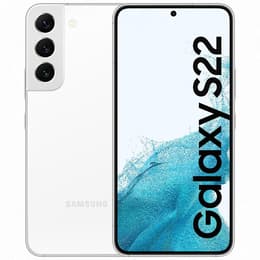
Galaxy S22 5G
Galaxy S22 5G
Starting at

Refurbished price:174.00

Versus €851.00 new

See options
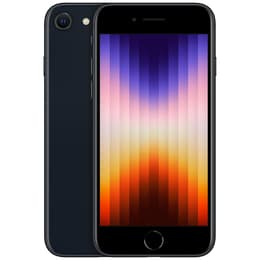
iPhone SE (2022)
iPhone SE (2022)
Starting at

Refurbished price:127.00

Versus €549.00 new

See options

Ratings

The Samsung Galaxy S22 5G and the Apple iPhone SE (2022) are both smartphones released in early 2022, offering distinct approaches to mobile technology. While the Galaxy S22 5G presents a modern Android flagship experience with a focus on display and camera versatility, the iPhone SE (2022) delivers Apple's powerful processing in a classic, compact iPhone design. These devices cater to different user preferences, primarily differing in their operating systems, form factors, and camera systems.

Scores

Durability

When considering the practical lifespan of these devices, several factors come into play, including software support, build quality, and repairability.

  • Software Longevity: The Samsung Galaxy S22 5G, running Android, is expected to receive four years of major Android OS updates and five years of security updates from its release. The iPhone SE (2022), running iOS, typically receives software updates for five to six years, potentially extending its functional lifespan in terms of new features and security patches.
  • Build Materials and Durability: The Galaxy S22 5G features Gorilla Glass Victus+ on both the front and back, along with an Armor Aluminum frame, contributing to its overall robustness and IP68 dust and water resistance. The iPhone SE (2022) utilizes glass on the front and back with an aluminum frame and carries an IP67 rating for dust and water resistance.
  • Expected Practical Lifespan: Both devices are built to last, but the iPhone SE (2022) may offer a slightly longer period of software support, which can be a significant factor for users who keep their devices for many years. However, the Galaxy S22's more modern design and materials may offer a more resilient physical structure against everyday wear and tear.

Year of Release

2022

2022

Compatible with latest Update

Yes

Yes

OS

Android

iOS

Foldable

No

No

Performance

The performance of a smartphone is crucial for daily tasks, from browsing to demanding applications. Both the Galaxy S22 5G and the iPhone SE (2022) offer capable performance, though with different underlying architectures.

  • Processing Power: The iPhone SE (2022) is equipped with a current-generation processor, enabling smooth operation for demanding apps and multitasking. The Galaxy S22 5G also features a powerful, current-generation processor, ensuring responsive performance across various applications and gaming scenarios.
  • Multitasking and Storage: The Galaxy S22 5G typically comes with 8GB of RAM, providing ample capacity for extensive multitasking and keeping numerous applications open in the background. The iPhone SE (2022) has 4GB of RAM, which, combined with iOS optimization, allows for efficient multitasking for most users. Both devices offer various storage options, including 128GB and 256GB, to accommodate user data.
  • Battery Behavior: The Galaxy S22 5G has a 3700 mAh battery, which for heavy users, may require more frequent charging. The iPhone SE (2022) features a 2018 mAh battery, and while smaller, its efficient processor and display contribute to a full day of use for moderate users.

Memory (GB)

8 GB

4 GB

Screen quality

The display is a primary interface for any smartphone, and these two devices offer distinct visual experiences.

  • Display Technology and Clarity: The Galaxy S22 5G features a 6.1-inch Dynamic AMOLED 2X display, known for its deep blacks, vibrant colors, and high contrast. It has a resolution of 1080 x 2340 pixels, resulting in a sharp image. The iPhone SE (2022) uses a 4.7-inch Retina IPS LCD with a resolution of 750 x 1334 pixels, providing clear visuals, though with less contrast compared to an OLED panel.
  • Brightness and Refresh Rate: The Galaxy S22 5G offers a peak brightness of 1300 nits and a 120Hz refresh rate, contributing to smoother scrolling and better visibility in bright outdoor conditions. The iPhone SE (2022) has a typical brightness of 625 nits and a standard 60Hz refresh rate, which is suitable for most indoor and outdoor viewing, but less fluid than higher refresh rate displays.
  • Screen Size and Viewing Experience: The Galaxy S22 5G's larger screen and minimal bezels provide a more immersive viewing experience for media consumption and productivity. The iPhone SE (2022) maintains a compact form factor with a smaller screen and noticeable bezels, which some users prefer for one-handed use and portability.

Resolution

1080 x 2340

750 x 1334

Screen type

Dynamic AMOLED 2X

Retina IPS LCD

Audiovisual

Camera capabilities are a significant differentiator, with both devices offering distinct photographic strengths.

  • Rear Camera System: The Galaxy S22 5G boasts a versatile triple-camera setup, including a 50 MP wide lens, a 12 MP ultrawide lens, and a 10 MP telephoto lens with 3x optical zoom, allowing for a wide range of photographic styles and detailed shots. The iPhone SE (2022) features a single 12 MP wide camera on the rear, which, despite its single lens, benefits from advanced computational photography features for good image quality in various conditions.
  • Photography Performance: The Galaxy S22 5G excels in capturing detailed images with its multiple lenses and offers strong low-light performance and video recording capabilities up to 8K. The iPhone SE (2022) delivers reliable photo quality in good lighting and benefits from features like Smart HDR 4 and Deep Fusion, though it lacks a dedicated Night mode, which can impact low-light results.
  • Front Camera and Audio: The Galaxy S22 5G includes a 10 MP front camera, suitable for clear selfies and video calls. The iPhone SE (2022) has a 7 MP front camera, which performs adequately for video calls and casual selfies. Both devices offer stereo speakers for an enhanced audio experience during media consumption.

Main camera

50 megapixels

12 megapixels

Front camera

10 megapixels

7 megapixels

Miscellaneous

Beyond core features, several practical elements contribute to the overall user experience of these smartphones.

  • Connectivity and Ports: Both devices support 5G connectivity, offering faster mobile data speeds. The Galaxy S22 5G features Wi-Fi 6 and Bluetooth 5.2, along with a USB-C port for charging and data transfer. The iPhone SE (2022) also includes Wi-Fi 6 and Bluetooth 5.0, but utilizes Apple's proprietary Lightning port.
  • Biometric Security: The Galaxy S22 5G incorporates an ultrasonic under-display fingerprint sensor for secure unlocking. The iPhone SE (2022) retains the physical home button with Touch ID, a familiar and reliable fingerprint recognition system.
  • Design and Handling: The Galaxy S22 5G has a modern design with a larger screen-to-body ratio, measuring 146 x 70.6 x 7.6 mm and weighing 167 grams. The iPhone SE (2022) maintains a more traditional iPhone design with a smaller 4.7-inch display, measuring 138.4 x 67.3 x 7.3 mm and weighing 144 grams, making it more compact for one-handed use.

Weight

195 g

144 g

Screen size (in)

6.1

4.7

Network

5G

5G

SIM card

Physical SIM + eSIM

Physical SIM + eSIM

Carrier compatibility

Unlocked

Unlocked

Connector

USB-C + Jack 3.5mm

Lightning

User feedback often highlights the Galaxy S22 5G's vibrant display, versatile camera system, and modern design as key strengths. Some users, however, have noted that its battery life can be a concern for heavy usage. The iPhone SE (2022) is frequently praised for its powerful processor, compact size, and the familiarity of its design, particularly the Touch ID sensor. Criticisms often point to its dated screen technology, larger bezels, and the absence of a dedicated Night mode for its camera.

Users prioritizing a large, high-quality OLED display, a comprehensive multi-lens camera system, and a modern Android experience may find the Samsung Galaxy S22 5G better suited to their needs. Its robust build and extensive software support also make it a compelling choice for those seeking a device with a longer functional lifespan. Conversely, individuals who prefer a compact form factor, the iOS ecosystem, and a physical home button with Touch ID will likely gravitate towards the iPhone SE (2022). Its powerful internal components ensure smooth performance for everyday tasks and gaming, making it a reliable option for those who value raw processing power in a smaller package.

For those considering either of these devices, exploring quality-assured refurbished options can provide an eco-friendly alternative, offering excellent performance and reliability while contributing to a more sustainable consumption model.


See all articles

Our recent comparisons