


Compare models

Galaxy Z Flip7 Vs Google Pixel 7

  • 1-year minimum warranty
  • Free delivery on all orders
  • Free 30-day returns
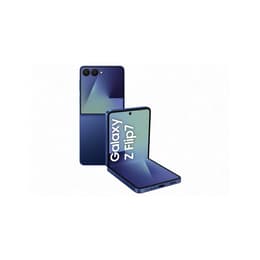
Galaxy Z Flip7
Starting at

Refurbished price:€545.00

Versus €1,328.48 new

See options
Google Pixel 7
Starting at

Refurbished price:€210.00

Versus €649.99 new

See options

Differences at a glance

The Samsung Galaxy Z Flip7 (2025) and the Google Pixel 7 (2022) represent distinct form factors and design philosophies within the smartphone market. While the Galaxy Z Flip7 features a foldable clamshell build with modern hardware, the Google Pixel 7 adopts a traditional slate body powered by custom software integration. Both devices run the Android operating system, though they offer unique user interfaces and hardware architectures tailored to different daily workflows.

Available Models

Colour

Storage

Scores

Durability

Evaluating the lifespan and durability of these devices involves looking at their release timelines, software update commitments, and structural build designs.

  • Release timeline and software support: The Galaxy Z Flip7 benefits from a more recent release year, providing a longer runway for future system updates compared to the older Google Pixel 7.
  • Build and structural design: The Pixel 7 relies on a rigid slate frame with robust scratch-resistant glass, whereas the Z Flip7 utilizes a foldable internal screen mechanism that requires careful handling over years of frequent folding.
  • Repairability and long-term use: Traditional slate models like the Pixel 7 generally present straightforward repair paths, while foldable devices involve specialized screen maintenance for long-term ownership.

Year of Release

2025

2022

Compatible with latest Update

Yes

Yes

OS

Android

Android

Foldable

Yes

No

Performance

Daily operation and multitasking capabilities differ significantly based on internal memory allocations, cooling efficiency, and processor generations.

  • Multitasking and memory: The Galaxy Z Flip7 includes larger RAM capacity, enabling smooth handling of multiple demanding apps simultaneously, whereas the Pixel 7 manages everyday tasks efficiently with standard memory allocations.
  • Battery behavior: Both smartphones handle standard daily routines comfortably, though heavy use involving high-refresh-rate media or navigation requires more frequent charging cycles on both models.
  • System responsiveness: Modern processing hardware in the newer foldable ensures rapid app loading speeds, while the Pixel 7 delivers consistent fluidity for standard messaging, web browsing, and media streaming.

Screen quality

Display technologies vary greatly between the two models, impacting outdoor visibility, viewing angles, and physical dimensions.

  • Display technology and form factor: The Galaxy Z Flip7 features an expandable foldable internal panel alongside a functional outer cover display, while the Pixel 7 offers a traditional flat screen with consistent edge-to-edge viewing.
  • Brightness and outdoor clarity: Both screens incorporate high peak brightness levels to ensure readability under direct sunlight, though reflective properties differ between traditional glass and flexible polymer coatings.
  • Refresh rate and smoothness: Fluid scrolling and responsive touch feedback are standard on both devices, utilizing high refresh rate capabilities for seamless visual transitions.

Resolution

1080x2520

1080 x 2400

Audiovisual

Photography, video recording, and media consumption hardware offer distinct advantages depending on whether users prefer versatile angles or computational photography.

  • Camera system capabilities: Both devices feature high-resolution main sensors supported by ultra-wide lenses, delivering sharp everyday captures and detailed landscape shots.
  • Low-light and software processing: Advanced image processing pipelines on both models brighten dark scenes effectively, reducing digital noise in challenging lighting conditions.
  • Audio and media output: Stereo speaker setups on each smartphone provide clear dialogue and balanced sound output for hands-free calls and casual video viewing.

Front camera

10 megapixels

10.8 megapixels

Miscellaneous

Practical everyday features, connectivity standards, and physical dimensions influence how each device fits into travel and professional routines.

  • Connectivity and ports: Both models support modern fifth-generation cellular networks, high-speed Wi-Fi standards, and universal USB-C ports for charging and data transfer.
  • Authentication sensors: Quick biometric unlocking is available on both devices through secure facial recognition and responsive under-display fingerprint scanners.
  • Handling and dimensions: The Galaxy Z Flip7 folds into a compact square that slips easily into small pockets, while the Pixel 7 maintains a standard slate footprint that rests comfortably in one hand.

Weight

188 g

197 g

Screen size (in)

6.9

6.3

Network

5G

5G

SIM card

Physical SIM + eSIM

Physical SIM + eSIM

Carrier compatibility

Unlocked

Unlocked

What the community thinks

User discussions across community forums highlight distinct preferences for each device based on practical everyday use. Owners of the Google Pixel 7 frequently praise its clean software interface, reliable everyday camera performance, and comfortable ergonomics. At the same time, some users note that its battery capacity can deplete quickly during intensive tasks. Conversely, Galaxy Z Flip7 users appreciate the compact pocket-friendly footprint of the folding design and the utility of the outer cover screen, though reviewers occasionally discuss the visible crease on the main display and the need for mindful physical handling.

Users prioritizing pocket space and a modern folding form factor may prefer the Galaxy Z Flip7, while users looking for a straightforward, traditional smartphone experience will find the Google Pixel 7 well-suited to their needs. For those seeking a sustainable choice, a quality-assured refurbished option provides a reliable path to owning either device while minimizing environmental impact. Ultimately, the right choice depends on individual workflow habits, physical design preferences, and daily usage requirements.