
Galaxy Z Flip6 Vs iPhone 16 Plus

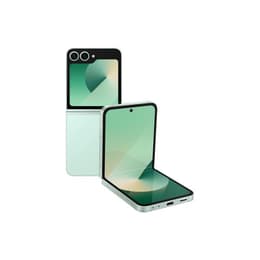
Galaxy Z Flip6
Galaxy Z Flip6
Starting at

Refurbished price:415.00

Versus €1,199.99 new

See options
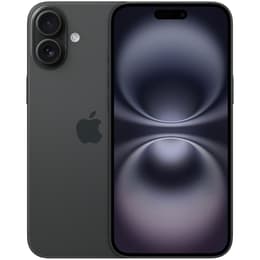
iPhone 16 Plus
iPhone 16 Plus
Starting at

Refurbished price:559.00

Versus €979.00 new

See options

Ratings

The Samsung Galaxy Z Flip6 (released in mid-2024) and the Apple iPhone 16 Plus (released in late 2024) represent distinct approaches to modern smartphone design and functionality. While the Galaxy Z Flip6 offers a unique foldable form factor running on Android, the iPhone 16 Plus provides a traditional large-screen experience powered by Apple's iOS. Both devices aim to deliver high-end performance and advanced camera capabilities, but cater to different user preferences through their core design philosophies and operating system ecosystems.

Scores

Durability

When considering the practical lifespan of these devices, both the Galaxy Z Flip6 and the iPhone 16 Plus offer substantial software support and robust build quality, though their designs present different durability considerations.

  • Software Longevity: The iPhone 16 Plus, running iOS, typically receives major software updates for approximately 5-7 years from its release, with security patches extending even further. The Galaxy Z Flip6, an Android device, benefits from Samsung's extended support policy for its flagship devices, which for newer models like the Z Flip 7, includes up to seven years of OS upgrades and security updates. This suggests the Z Flip6 will also receive a long period of software support, ensuring access to new features and security enhancements for many years.
  • Physical Durability: The iPhone 16 Plus features a traditional slab design with a Ceramic Shield front, contributing to its overall resilience against drops and scratches. It also boasts an IP68 rating for water and dust resistance. The Galaxy Z Flip6, with its foldable design, incorporates a flexible display and an intricate hinge mechanism. While advancements have significantly improved the durability of foldable screens and hinges, they remain areas that require careful handling compared to traditional rigid displays. The Z Flip series typically offers IPX8 water resistance, meaning it can withstand submersion in fresh water, but generally has less dust resistance than IP68-rated devices.
  • Expected Practical Lifespan: Both devices are built with high-quality materials and are designed for extended use. The iPhone's consistent software updates and robust build contribute to a long practical lifespan. The Galaxy Z Flip6's innovative design, coupled with extended software support and improved hinge technology, also aims for a prolonged usable life, though users of foldable phones often consider the long-term integrity of the folding screen and hinge.

Year of Release

2024

2024

Compatible with latest Update

Yes

Yes

Foldable

Yes

No

Performance

Both the Galaxy Z Flip6 and the iPhone 16 Plus are equipped with powerful internal components designed to handle demanding tasks and ensure smooth operation, though they achieve this through different hardware architectures.

  • Processor Capabilities: The iPhone 16 Plus is powered by Apple's A18 chip, which enables smooth performance across applications, efficient multitasking, and supports advanced features like Apple Intelligence. This processor is designed for high-speed data processing and graphics rendering, making it suitable for intensive gaming and complex computational tasks. The Galaxy Z Flip6 features a current-generation Snapdragon 8 Gen 3 processor, providing robust performance for everyday use, gaming, and running multiple applications simultaneously. This chip also supports advanced AI features, similar to those found in other flagship Android devices.
  • Multitasking and Responsiveness: The iPhone 16 Plus comes with 8GB of RAM, which contributes to its ability to manage numerous applications efficiently and maintain overall system responsiveness. The Galaxy Z Flip6 offers options for 8GB or 12GB of RAM, allowing for fluid transitions between apps and handling heavy workloads. Both devices are engineered to provide a responsive user experience, with apps launching quickly and smooth navigation through the operating system.
  • Storage Options: The iPhone 16 Plus is available with storage capacities of 128GB, 256GB, and 512GB, offering ample space for apps, photos, and videos. The Galaxy Z Flip6 typically starts with 256GB of storage, with a 512GB option also available, providing generous storage for most users.

Memory (GB)

12 GB

8 GB

Screen quality

The display experience on the Galaxy Z Flip6 and the iPhone 16 Plus differs significantly due to their fundamental design, offering distinct advantages for various user preferences.

  • Display Technology and Size: The iPhone 16 Plus features a 6.7-inch Super Retina XDR OLED display, known for its deep blacks, vibrant colors, and excellent contrast. The Galaxy Z Flip6, when unfolded, reveals a 6.7-inch Dynamic AMOLED 2X main display, also offering rich colors and high contrast. Its unique aspect is the smaller, approximately 3.9-inch cover display, which provides quick access to notifications and widgets without unfolding the device.
  • Resolution and Clarity: The iPhone 16 Plus offers a resolution of 2796 x 1290 pixels at 460 pixels per inch (ppi), ensuring sharp text and detailed images. The Galaxy Z Flip6's main display provides a comparable level of clarity, delivering a crisp viewing experience for media consumption and daily tasks.
  • Brightness and Refresh Rate: Both devices offer high peak brightness levels, making them suitable for outdoor visibility. The iPhone 16 Plus's display can reach up to 2000 nits peak brightness outdoors. The Galaxy Z Flip6's main display also boasts a high peak brightness of 2600 nits. The Galaxy Z Flip6 features an adaptive 120Hz refresh rate on its main display, contributing to smoother scrolling and more fluid animations. The iPhone 16 Plus maintains a 60Hz refresh rate, which is standard for many applications but may not appear as fluid as a higher refresh rate display during fast-paced content or scrolling.

Resolution

1080 x 2640

1290 x 2796

Screen type

Foldable Dynamic LTPO AMOLED 2X

Super Retina XDR OLED

Audiovisual

Both the Galaxy Z Flip6 and the iPhone 16 Plus offer advanced camera systems designed to capture high-quality photos and videos, each with distinct features catering to different photographic styles and use cases.

  • Main Camera System: The iPhone 16 Plus is equipped with a dual-camera system featuring a 48MP main camera and a 12MP ultrawide camera. Its vertically aligned cameras enable Spatial Capture for photos and videos. The Galaxy Z Flip6 also features a dual-camera setup, including a 50MP primary camera and a 12MP ultrawide lens. Both devices leverage computational photography to enhance image quality across various lighting conditions.
  • Photography Performance: The iPhone 16 Plus is expected to offer improved low-light performance and enhanced computational photography capabilities, delivering detailed and color-accurate images. The Galaxy Z Flip6 includes enhanced Nightography features, allowing for clear and precise photos in low-light environments. The Z Flip6's foldable design also enables unique shooting angles and hands-free photography using Flex Mode.
  • Video Recording and Audio: Both smartphones are capable of recording high-quality video. The iPhone 16 Plus's camera system is expected to include new video recording capabilities. The Galaxy Z Flip6 offers features like Night hyperlapse for creative video capture. For audio, both devices provide clear microphone quality for calls and recordings, and their speaker outputs are designed for an immersive media consumption experience.

Main camera

50 megapixels

48 megapixels

Front camera

10 megapixels

12 megapixels

Miscellaneous

Beyond their core functionalities, the Galaxy Z Flip6 and iPhone 16 Plus offer a range of practical features and design elements that influence daily usability and user experience.

  • Connectivity and Ports: Both devices support 5G connectivity for fast mobile data speeds. The iPhone 16 Plus is expected to support Wi-Fi 6E, offering faster wireless speeds and reduced interference with compatible routers. Both the iPhone 16 Plus and the Galaxy Z Flip6 utilize USB-C for charging and data transfer, aligning with modern connectivity standards.
  • Biometric Security: The iPhone 16 Plus relies on Face ID for secure facial recognition. The Galaxy Z Flip6 typically features a side-mounted capacitive fingerprint sensor for biometric authentication.
  • Design and Handling: The Galaxy Z Flip6's clamshell design allows it to fold into a compact form factor, making it highly pocketable. When unfolded, it offers a full-sized smartphone experience. The iPhone 16 Plus, with its larger, traditional slab design, provides an expansive display for content viewing and productivity. The iPhone 16 Plus also introduces an Action button, customizable for various functions, and a new Capture button for quick camera access. The Z Flip6 also integrates Galaxy AI features, enhancing various aspects of the user experience.

Weight

187 g

199 g

Screen size (in)

6.7

6.7

Network

5G

5G

SIM card

Physical SIM + eSIM

eSIM

Carrier compatibility

Unlocked

Unlocked

Choosing between the Samsung Galaxy Z Flip6 and the Apple iPhone 16 Plus involves weighing distinct design philosophies and ecosystem preferences. Users frequently praise the Galaxy Z Flip6 for its innovative foldable design, which offers a compact form factor when closed and a full-sized screen when open, appealing to those who value portability and a unique aesthetic. The ability to use the cover screen for quick interactions and Flex Mode for hands-free photography are often highlighted as practical benefits. However, some users express ongoing considerations regarding the long-term durability of the folding screen and hinge, despite significant advancements in these areas.

The iPhone 16 Plus is often lauded for its consistent performance, robust software ecosystem, and excellent battery life, making it a reliable choice for users who prioritize a large, traditional display and extended usage between charges. Its camera system, with features like Spatial Capture, also receives positive attention. Criticisms, when they arise, often relate to the incremental nature of updates compared to Pro models or the preference for a higher refresh rate display, which the 16 Plus does not offer.

Users prioritizing a highly portable device with a unique, expressive design and innovative features like Flex Mode will find the Galaxy Z Flip6 well-suited to their needs. Conversely, users who value a large, traditional display, exceptional battery longevity, and a deeply integrated software experience with a strong emphasis on consistent performance may lean toward the iPhone 16 Plus. Both devices offer a premium smartphone experience, and for those considering a more sustainable choice, both the Galaxy Z Flip6 and iPhone 16 Plus are available as quality-assured refurbished options, extending their lifecycle and reducing environmental impact.


See all articles

Our recent comparisons