

Galaxy Z Flip6 Vs Google Pixel 7

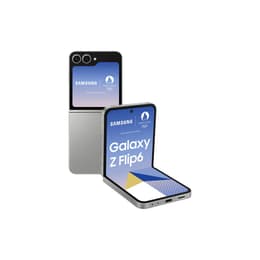
Galaxy Z Flip6
Galaxy Z Flip6
Starting at

Refurbished price:420.00

Versus €1,199.99 new

See options
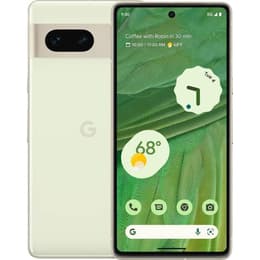
Google Pixel 7
Google Pixel 7
Starting at

Refurbished price:160.00

Versus €756.00 new

See options

Ratings

The Samsung Galaxy Z Flip6, a foldable smartphone released in July 2024, and the Google Pixel 7, a traditional slab smartphone launched in October 2022, offer distinct approaches to the modern mobile experience. While both run on the Android operating system, the primary differentiator lies in the Z Flip6's unique folding design and its more recent hardware advancements, contrasting with the Pixel 7's conventional form factor and Google's software-centric features.

Scores

Durability

When considering the long-term usability of these devices, their release timelines and software support policies are key factors.

  • Release Timeline and OS Support: The Galaxy Z Flip6, released in mid-2024, benefits from Samsung's commitment to providing seven generations of Android OS upgrades and seven years of security updates, extending its software longevity until approximately 2031. In contrast, the Google Pixel 7, launched in late 2022, is guaranteed five years of OS and security updates, with OS updates typically ending around October 2025 and security updates continuing until October 2027.
  • Durability Features: The Z Flip6 features an IP48 rating for dust and water resistance, an improvement over previous foldable models, and utilizes Gorilla Glass Victus 2 on its cover screen and back panel for enhanced protection. The Pixel 7 carries an IP68 rating, indicating a higher level of dust and water immersion resistance. Both devices incorporate durable glass on their main displays, with the Z Flip6's inner foldable screen protected by ultra-thin glass and a plastic screen protector.
  • Practical Lifespan: While the Z Flip6's folding mechanism introduces a unique point of potential wear, its enhanced armored aluminum frame and improved hinge design aim to bolster its resilience. User reports for the Z Flip6 have noted occasional issues such as hinge noises or screen unresponsiveness over time. The Pixel 7, as a traditional smartphone, generally offers robust build quality, though its camera bar has been observed to be susceptible to scratches, and some bend tests have shown flex that could compromise water resistance.

Year of Release

2024

2022

Compatible with latest Update

Yes

Yes

OS

Android

Android

Foldable

Yes

No

Performance

The performance of a smartphone is largely determined by its internal components and how efficiently they handle daily tasks and demanding applications.

  • Processor Capabilities: The Galaxy Z Flip6 is equipped with a current-generation processor, enabling it to handle demanding applications and multitasking smoothly. This results in responsive app loading and efficient operation, even during intensive gaming sessions, partly due to an improved cooling system. The Pixel 7 features a processor designed by Google, which provides a fluid user experience for everyday tasks and leverages on-device artificial intelligence for various features.
  • Memory and Storage: The Z Flip6 comes with 12 GB of RAM, offering ample capacity for extensive multitasking and keeping numerous applications open in the background without slowdowns. It is available with 256 GB or 512 GB of internal storage. The Pixel 7 includes 8 GB of RAM, which is sufficient for most users' multitasking needs, and offers storage options of 128 GB or 256 GB.
  • Battery Behavior: The Galaxy Z Flip6 houses a 4000 mAh battery, which, combined with its efficient processor, is reported by users to last through a full day of regular use, with some tests showing over 16 hours for web browsing and over 10 hours for 3D gaming. The Pixel 7 features a 4355 mAh battery, and its adaptive battery technology is designed to optimize power usage, allowing it to last over 24 hours for many users, and up to 72 hours with extreme battery saver mode.

Memory (GB)

12 GB

8 GB

Screen quality

The visual experience on a smartphone is heavily influenced by its display technology, resolution, and brightness.

  • Display Technology and Resolution: The Galaxy Z Flip6 features a 6.7-inch foldable Dynamic AMOLED 2X main display with a Full HD+ resolution (1080x2640 pixels), offering vibrant colors and deep blacks. Its unique folding design allows for a compact form factor when closed. The Pixel 7 has a 6.3-inch OLED display with a Full HD+ resolution (1080x2400 pixels), providing clear and sharp visuals in a traditional flat screen format.
  • Refresh Rate and Smoothness: The Z Flip6's main display boasts a 120 Hz variable refresh rate, contributing to smooth scrolling, fluid animations, and a more responsive feel during interactions and gaming. The Pixel 7 offers a 90 Hz refresh rate, which provides a smoother experience than standard 60 Hz displays, though it is not as fluid as the Z Flip6's higher refresh rate.
  • Brightness and Viewing Experience: The Galaxy Z Flip6's main display can reach a peak brightness of up to 1750 nits (with some sources indicating 2600 nits), ensuring good visibility even in bright outdoor conditions. The Pixel 7's display has an advertised peak brightness of up to 1400 nits, with measured values around 1234 nits, offering adequate brightness for most environments. The Z Flip6 also features a 3.4-inch Super AMOLED cover display that allows for quick interactions without unfolding the device.

Resolution

1080 x 2640

1080 x 2400

Screen type

Foldable Dynamic LTPO AMOLED 2X

AMOLED

Audiovisual

Both smartphones offer capable camera systems designed to capture high-quality photos and videos in various conditions.

  • Rear Camera Systems: The Galaxy Z Flip6 is equipped with a dual-camera setup on the rear, featuring a 50 MP wide-angle main sensor and a 12 MP ultra-wide-angle lens. This system is noted for its improved primary sensor and enhanced low-light performance for the ultra-wide camera. The Pixel 7 also features a dual-camera system, comprising a 50 MP wide main camera and a 12 MP ultrawide lens, known for its consistent image processing and natural color reproduction.
  • Photography Performance: The Z Flip6's camera system is designed to capture detailed images with good dynamic range, benefiting from its updated hardware and software processing. The Pixel 7 excels in computational photography, utilizing its processor to enhance images, particularly in challenging lighting, and offers features like Magic Eraser for object removal and Real Tone for accurate skin tones.
  • Video Recording and Audio: Both devices are capable of recording high-quality video. The Z Flip6 offers 4K video recording at 60 frames per second. The Pixel 7 also supports 4K video recording and includes features like Cinematic Blur. For audio, both phones provide clear microphone quality for calls and recording, and offer stereo speakers for media consumption.

Main camera

50 megapixels

50 megapixels

Front camera

10 megapixels

10.8 megapixels

Miscellaneous

Beyond core specifications, several practical elements contribute to the overall user experience of these smartphones.

  • Connectivity and Ports: The Galaxy Z Flip6 supports 5G connectivity, Wi-Fi 6E, and Bluetooth 5.3, ensuring fast wireless communication and efficient connections to accessories. It features a USB-C port for charging and data transfer, supporting 25W wired charging. The Google Pixel 7 also offers 5G, Wi-Fi, and Bluetooth connectivity, and includes a USB-C port for charging, with support for 20W wired charging.
  • Security and Biometrics: The Z Flip6 incorporates a side-mounted fingerprint sensor for secure unlocking. The Pixel 7 features an under-display optical fingerprint scanner and also offers Face Unlock for convenient access. Both devices include advanced security modules to protect user data.
  • Design and Handling: The Galaxy Z Flip6's clamshell design allows it to fold into a compact form factor, making it highly portable and easy to carry in smaller pockets. It has an enhanced armored aluminum frame and a matte finish. The Pixel 7 presents a traditional slab design with a distinctive camera bar, offering a comfortable grip and a balanced feel in hand. The Z Flip6 weighs 187g, while the Pixel 7 weighs 197g.

Weight

187 g

197 g

Screen size (in)

6.7

6.3

Network

5G

5G

SIM card

Physical SIM + eSIM

Physical SIM + eSIM

Carrier compatibility

Unlocked

Unlocked

The Samsung Galaxy Z Flip6 and Google Pixel 7 cater to different user preferences, each with its own set of strengths and considerations. Users often praise the Z Flip6 for its innovative foldable design, which offers a unique blend of portability and a full-sized screen experience. Its extended software support and powerful processor are also frequently highlighted as positive aspects. However, some users have expressed concerns regarding the long-term durability of the folding screen and hinge mechanism, with reports of occasional software glitches or hardware issues emerging over time.

The Google Pixel 7 is widely appreciated for its exceptional camera performance, clean Android experience, and the integration of Google's AI features, which enhance daily usability. Its robust build and reliable performance are also common points of praise. On the other hand, some users have noted that its battery life, while adaptive, may not always meet the demands of heavy use, and the camera bar's susceptibility to scratches has been a minor criticism.

Users prioritizing a compact, stylish device with the latest hardware and a long software support window may find the Galaxy Z Flip6 well-suited to their needs, especially if they value the unique foldable form factor. Those who prefer a traditional smartphone experience with a strong emphasis on camera quality, software intelligence, and a slightly more robust, non-folding design might lean towards the Google Pixel 7. Both devices represent excellent choices, and for those seeking a more sustainable option, quality-assured refurbished versions of both models are available, offering an eco-friendly alternative.

See all articles

Our recent comparisons