

Compare models

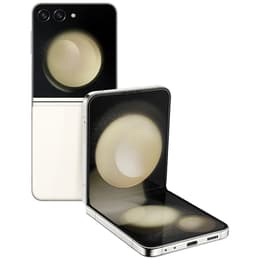
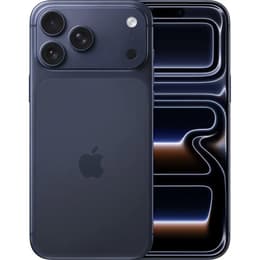
Galaxy Z Flip5 Vs iPhone 17 Pro Max

  • 1-year minimum warranty
  • Free delivery on all orders
  • Free 30-day returns
Galaxy Z Flip5
Starting at

Refurbished price:€339.00

Versus €1,340.00 new

See options
iPhone 17 Pro Max
Starting at

Refurbished price:€1,054.00

Versus €1,489.00 new

See options

Differences at a glance

The Samsung Galaxy Z Flip5 (2023) and the iPhone 17 Pro Max (2025) represent two distinct approaches to high-end mobile engineering: a compact clamshell foldable and a large-format flagship slate. While the Galaxy Z Flip5 prioritizes pocket-friendly portability through a folding screen design, the iPhone 17 Pro Max focuses on maximum screen estate, robust performance, and extensive media capabilities. Operating on Android and iOS respectively, these devices serve very different ergonomic and software preferences while delivering high-tier smartphone functionality.

Available Models

Colour

Storage

Scores

Durability

Both devices are engineered for multi-year usage, though their release timelines and hardware designs introduce different structural considerations for long-term ownership.

  • Release Timeline and Software Support: The iPhone 17 Pro Max benefits from a newer release year, aligning with extended manufacturer software updates. The Galaxy Z Flip5 has a shorter remaining official support window.
  • Hardware Resilience: The iPhone 17 Pro Max utilizes traditional slate construction with advanced glass protection, whereas the Galaxy Z Flip5 features a flexible display mechanism that requires mindful handling of the folding crease over years of use.
  • Repairability Factors: Standard slab phones like the iPhone generally present simpler repair pathways for screen replacements compared to complex dual-screen foldable architectures.

Year of Release

2023

2025

Compatible with latest Update

Yes

Yes

OS

Android

iOS

Foldable

Yes

No

Performance

Handling demanding workloads, heavy application switching, and daily tasks differs significantly based on internal hardware optimization and memory configuration across both models.

  • System Responsiveness: Both devices manage intensive applications, high-resolution mobile gaming, and rapid multitasking smoothly, though the newer processor in the iPhone 17 Pro Max offers additional headroom for future software demands.
  • Memory and Storage: The iPhone 17 Pro Max features a larger RAM capacity that assists in keeping multiple background tasks active simultaneously, while the Galaxy Z Flip5 relies on an efficient memory layout paired with high-speed storage configurations.
  • Battery Behavior: The larger physical footprint of the iPhone 17 Pro Max accommodates a substantially bigger battery that easily sustains intensive full-day usage, whereas the Galaxy Z Flip5's compact body houses a smaller power cell that typically requires a recharge during busy days.

Screen quality

Visual output varies drastically between a flexible clamshell display setup and a sprawling, rigid OLED panel.

  • Display Technology: The Galaxy Z Flip5 offers a flexible main screen alongside a convenient outer cover screen for quick interactions, while the iPhone 17 Pro Max utilizes a large, continuous panel with high peak outdoor brightness and adaptive refresh rates.
  • Clarity and Resolution: Both screens deliver sharp text, deep black levels, and vibrant color reproduction suited for media consumption, though the iPhone provides a larger uninterrupted viewing area.
  • Outdoor Usability: High maximum brightness levels on the iPhone 17 Pro Max ensure legibility under direct sunlight, a trait matched well by the bright foldable panel of the Samsung device indoors and outdoors.

Resolution

1080 x 2640

2868x1320

Screen type

Foldable Dynamic AMOLED 2X

Super Retina XDR

Audiovisual

Imaging capabilities reflect the distinct form factors, balancing versatile multi-lens arrays against creative shooting angles.

  • Rear Camera Systems: The iPhone 17 Pro Max equips a triple high-resolution sensor array offering extensive optical zoom clarity, whereas the Galaxy Z Flip5 relies on a dual-camera setup that benefits from unique folding angles for hands-free tripod-style framing.
  • Video Recording: The iPhone variant includes advanced professional video codecs and stabilization modes tailored for creators, while the Samsung model handles standard high-definition video recording reliably.
  • Audio Output: Stereo speakers on both devices provide clear dialogue and balanced sound for casual media playback, supported by sensitive microphone arrays for calls.

Main camera

12 megapixels

48 megapixels

Front camera

10 megapixels

18 megapixels

Miscellaneous

Practical everyday elements such as connectivity standards, physical dimensions, and security sensors shape the daily user experience.

  • Connectivity and Ports: Both models support rapid 5G cellular networks and modern Wi-Fi standards, utilizing USB-C physical ports for charging and data transfer.
  • Security and Biometrics: The Galaxy Z Flip5 opts for a convenient side-mounted fingerprint scanner, while the iPhone 17 Pro Max relies on secure facial recognition technology.
  • Form Factor and Handling: The Galaxy Z Flip5 folds in half to fit easily into small pockets or bags, whereas the iPhone 17 Pro Max is wider, heavier, and demands two-handed use for comfortable reach across the screen.

Weight

187 g

233 g

Screen size (in)

6.7

6.9

Network

5G

5G

SIM card

Physical SIM + eSIM

eSIM

Carrier compatibility

Unlocked

Unlocked

What the community thinks

Choosing between the Samsung Galaxy Z Flip5 and the iPhone 17 Pro Max depends primarily on how you value physical form factor versus raw endurance. Users prioritizing pocket-friendly dimensions, a unique folding mechanism, and a compact footprint will find the Galaxy Z Flip5 well-suited to their daily routine. Conversely, users prioritizing maximum battery longevity, expansive screen space, and advanced imaging tools will naturally lean toward the iPhone 17 Pro Max.

For those mindful of environmental impact, opting for a quality-assured refurbished option provides a sustainable choice that extends device lifecycles without compromising on operational reliability. Evaluating your preferences for software ecosystems and physical handling will guide you toward the right model for your needs.


Our recent comparisons