

Galaxy Z Flip3 5G Vs iPhone 12 mini

Galaxy Z Flip3 5G
Galaxy Z Flip3 5G
Starting at

Refurbished price:154.00

Versus €999.00 new

See options
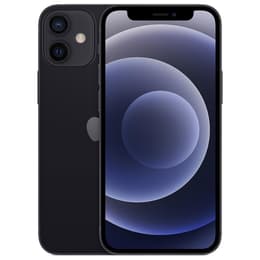
iPhone 12 mini
iPhone 12 mini
Starting at

Refurbished price:146.50

Versus €689.00 new

See options

Ratings

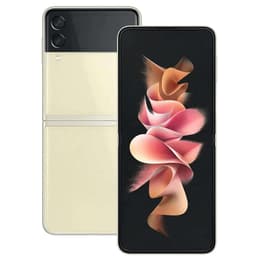
The Samsung Galaxy Z Flip3 5G, released in August 2021, and the Apple iPhone 12 Mini, launched in October 2020, offer distinct approaches to smartphone design and user experience. The Z Flip3 5G stands out with its innovative foldable form factor, allowing it to compact into a smaller size, while the iPhone 12 Mini prioritizes a traditional, exceptionally compact design. Both devices operate on different ecosystems, with the Z Flip3 5G running Android and the iPhone 12 Mini running iOS, influencing their software experience and app availability.

Scores

Durability

When considering the long-term usability of these devices, their release timelines and software support are key factors.

  • Release and Support: The iPhone 12 Mini, released in October 2020, typically receives major iOS updates for approximately five to six years from its launch, with hardware support extending for a few more years. This suggests potential software support until around 2026 or 2027. The Galaxy Z Flip3 5G, launched in August 2021, was promised four major Android OS upgrades and five years of security updates. This means it likely received its final major Android update (Android 15) earlier in 2025, with security updates ending around September 2025.
  • Durability Features: The iPhone 12 Mini features a Ceramic Shield front cover and IP68 dust and water resistance, offering robust protection against everyday elements. The Galaxy Z Flip3 5G boasts an IPX8 water resistance rating, meaning it can withstand submersion in water, but it lacks official dust resistance. Its main display is protected by an ultra-thin glass layer, and the cover screen uses Gorilla Glass Victus.
  • Practical Lifespan: Users of the iPhone 12 Mini can expect a longer period of major software updates, which is beneficial for accessing new features and maintaining compatibility with the latest applications. The Z Flip3 5G, while having a unique and durable folding mechanism, has a shorter expected software update window. For those considering a quality-assured refurbished option, both devices can offer extended practical use, though the iPhone 12 Mini may retain software relevance for a longer duration.

Year of Release

2021

2020

Compatible with latest Update

Yes

Yes

OS

Android

iOS

Foldable

Yes

No

Performance

The performance of both devices caters to different user expectations, influenced by their internal components and operating system optimizations.

  • System Responsiveness: The iPhone 12 Mini delivers a fluid user experience, handling everyday applications and multitasking with ease. Its optimized software and hardware work together to ensure smooth navigation and quick app launches. The Galaxy Z Flip3 5G also provides a responsive experience, capable of running demanding applications and games without significant slowdowns, thanks to its capable processor and ample RAM.
  • Battery Behavior: The iPhone 12 Mini is known for its compact size, which contributes to a smaller battery capacity. For heavy users, this often translates to more frequent charging throughout the day. The Galaxy Z Flip3 5G, while having a larger battery than the Mini, has also been noted by users to require charging before the end of a full day with moderate to heavy use.
  • Storage and Multitasking: The iPhone 12 Mini is available with storage options up to 256GB, paired with 4GB of RAM, which is sufficient for typical iOS multitasking. The Galaxy Z Flip3 5G offers 8GB of RAM and storage options up to 256GB, providing more headroom for extensive multitasking and storing a large volume of files and applications.

Memory (GB)

8 GB

4 GB

Screen quality

The display experience on these two smartphones presents a clear contrast in both technology and form factor.

  • Display Technology and Clarity: The iPhone 12 Mini features a 5.4-inch Super Retina XDR OLED display, offering deep blacks, vibrant colors, and excellent contrast. Its resolution provides a high pixel density, resulting in sharp text and detailed images. The Galaxy Z Flip3 5G boasts a larger 6.7-inch Foldable Dynamic AMOLED 2X main display, which also delivers rich colors and high contrast. Additionally, it includes a 1.9-inch Super AMOLED cover screen for quick notifications and interactions when folded.
  • Brightness and Refresh Rate: Both devices offer good brightness levels, making them suitable for outdoor use. The iPhone 12 Mini has a standard 60Hz refresh rate, providing a smooth but conventional scrolling experience. The Galaxy Z Flip3 5G's main display features a 120Hz adaptive refresh rate, which results in noticeably smoother scrolling and more fluid animations, enhancing the overall visual experience.
  • Viewing Experience: The iPhone 12 Mini's compact screen is ideal for one-handed use and portability, though some users might find it less immersive for media consumption or detailed work. The Z Flip3 5G's larger, foldable screen offers an expansive viewing area when unfolded, suitable for videos and browsing, while its ability to fold makes it highly portable.

Resolution

1080 x 2640

1080 x 2340

Screen type

Foldable Dynamic AMOLED 2X

Super Retina XDR OLED

Audiovisual

Both devices offer capable camera systems designed to capture everyday moments, though with different strengths and features.

  • Camera System Capabilities: The iPhone 12 Mini features a dual 12MP camera system, including a wide and an ultra-wide lens, known for consistent image quality and reliable performance in various conditions. The Galaxy Z Flip3 5G also comes with a dual 12MP camera setup, comprising a wide and an ultra-wide lens, providing versatility for different types of shots.
  • Photography Performance: The iPhone 12 Mini excels in producing natural-looking photos with good detail and color accuracy, and its low-light performance is generally strong. The Z Flip3 5G's camera system delivers solid performance in good lighting conditions, capturing clear and vibrant images. While its camera is considered good, some users note it may not be class-leading compared to other flagships from its era.
  • Video and Audio Quality: The iPhone 12 Mini supports high-quality video recording, including Dolby Vision HDR, offering excellent detail and dynamic range. Its microphone quality is generally clear for calls and recordings. The Galaxy Z Flip3 5G also records high-quality video, and its unique form factor allows for creative shooting angles, such as using the main cameras for selfies with the cover screen as a viewfinder. Both devices provide a good audio experience for media consumption through their speakers.

Main camera

12 megapixels

12 megapixels

Front camera

10 megapixels

12 megapixels

Miscellaneous

Beyond their core features, several practical elements differentiate the user experience of these two smartphones.

  • Connectivity and Ports: Both the Galaxy Z Flip3 5G and the iPhone 12 Mini support 5G connectivity, enabling faster mobile data speeds where available. They also feature modern Wi-Fi and Bluetooth standards for wireless connections. The iPhone 12 Mini uses Apple's proprietary Lightning port for charging and data transfer, while the Galaxy Z Flip3 5G utilizes a more universal USB-C port.
  • Biometric Security and Handling: The iPhone 12 Mini relies on Face ID for secure facial recognition. The Galaxy Z Flip3 5G incorporates a side-mounted fingerprint sensor for biometric authentication. In terms of handling, the iPhone 12 Mini is exceptionally lightweight and compact, designed for easy one-handed use and pocketability. The Z Flip3 5G, while having a larger screen when unfolded, becomes very compact when folded, making it easy to carry.
  • Build Materials and Durability Features: The iPhone 12 Mini features an aluminum frame and a Ceramic Shield front cover for enhanced drop performance. The Z Flip3 5G uses an Armor Aluminum frame and Gorilla Glass Victus on its exterior, providing a robust build for a foldable device.

Weight

183 g

135 g

Screen size (in)

6.7

5.4

Network

5G

5G

SIM card

Physical SIM + eSIM

Physical SIM + eSIM

Carrier compatibility

Unlocked

Unlocked

The Galaxy Z Flip3 5G and the iPhone 12 Mini cater to distinct user preferences, each offering a unique set of advantages. Users often praise the Z Flip3 5G for its innovative foldable design, which provides a large screen experience in a compact form factor, and its smooth 120Hz display. However, common criticisms include its battery life, which some users find to be sub-par for a full day of heavy use, and concerns about the long-term durability of the folding screen and its screen protector.

The iPhone 12 Mini is frequently lauded for its exceptionally compact size, making it ideal for one-handed operation and easy portability. Its powerful performance and capable camera system also receive positive feedback. Conversely, its primary drawback for many users is its battery life, which often necessitates mid-day charging, and the small screen size can be a limitation for extensive media consumption or productivity tasks.

Users prioritizing a cutting-edge, compact design with a larger screen when unfolded, and who value a high refresh rate display, may find the Galaxy Z Flip3 5G well-suited to their needs. Those who prioritize extreme portability, robust software support, and a consistently reliable camera in a traditional, very small form factor might lean towards the iPhone 12 Mini. Both devices represent compelling choices in their respective categories, and considering a quality-assured refurbished option for either can be an eco-friendly alternative for consumers.


See all articles

Our recent comparisons