

Compare models
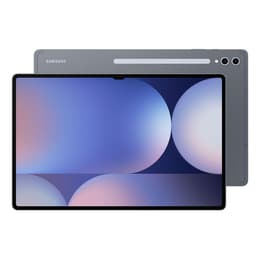
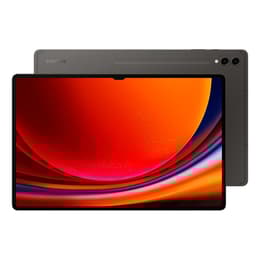
Galaxy Tab S10 Ultra (14.6", 2024) Vs Galaxy Tab S9 Ultra (14.6", 2023)
- 1-year minimum warranty
- Free delivery on all orders
- Free 30-day returns
Differences at a glance
The Samsung Galaxy Tab S10 Ultra (2024) and Galaxy Tab S9 Ultra (2023) represent successive generations of large-format Android tablets designed for intensive productivity and entertainment. Both devices feature expansive 14.6-inch displays and premium build qualities, while differentiating primarily through internal components, multitasking headroom, and processing architectures. Operating on Android with Samsung's custom interface, both models deliver comparable software feature sets tailored for multitasking and stylus integration.
Available Models
Colour
Storage
Scores
Durability
Both tablets are built for long-term use, though their release timelines and software support windows differ slightly based on their launch years.
- Software Support Window: The Galaxy Tab S10 Ultra benefits from an extended update lifecycle, receiving security patches and system upgrades for a longer duration due to its newer release year.
- Build Durability: Both models feature robust aluminum frames and hold identical dust and water resistance ratings, ensuring strong physical resilience for daily travel and mobile work environments.
- Long-Term Reliability: Users can expect stable multi-year operation from both devices, though the newer model provides extended support readiness for those seeking maximum software longevity.
Year of Release
2024
2023
Compatible with latest Update
Yes
Yes
OS
Android
Android
Performance
Performance capabilities vary slightly under the hood, directly impacting how each tablet handles demanding apps, heavy multitasking, and split-screen workflows.
- System Responsiveness: Both tablets handle everyday tasks, media streaming, and document editing with smooth efficiency, while the newer model offers enhanced thermal management during extended high-demand usage.
- Multitasking Capacity: The Galaxy Tab S10 Ultra provides expanded memory configurations, allowing users to keep numerous demanding applications open simultaneously without background reloading.
- Storage Variations: Both models offer scalable internal storage options paired with expandable card slots, accommodating large media libraries and heavy local file storage.
Screen quality
Viewing experiences on both devices are nearly identical, centering around large, immersive panel technologies built for productivity and media consumption.
- Display Technology: Both models utilize vibrant OLED panels with deep contrast levels, rich colors, and wide viewing angles suited for detailed creative work and cinematic viewing.
- Outdoor Visibility: High maximum brightness levels on both screens ensure content remains legible under bright ambient lighting conditions or outdoor settings.
- Refresh Rate: A smooth high refresh rate ensures fluid scrolling, responsive stylus tracking, and seamless animation transitions across both generations.
Resolution
1848 x 2960
1848 x 2960
Screen type
Dynamic AMOLED 2X
Dynamic AMOLED 2X
Pixel density
240ppp
240ppp
Audiovisual
Multimedia and capture capabilities remain consistent across both generations, serving everyday utility rather than professional primary photography.
- Rear Camera System: Both tablets feature a dual-lens rear setup capable of capturing clear document scans and casual snapshots in well-lit environments.
- Front-Facing Setup: Wide and ultra-wide front cameras on both models deliver clear video call quality, aided by software framing features for virtual meetings.
- Audio Output: Quad-speaker arrays tuned by acoustic specialists provide balanced, room-filling sound across both devices for media playback and conference calls.
Miscellaneous
Physical dimensions and connectivity standards share a remarkably close profile, though subtle refinements separate the two designs.
- Design and Handling: The Galaxy Tab S10 Ultra features an incremental reduction in thickness and weight, though both share a very large footprint that is best utilized with a stand or keyboard accessory.
- Connectivity Options: Both models support fast wireless standards and optional cellular connectivity variants depending on the specific model chosen.
- Authentication: In-display fingerprint sensors and facial recognition provide secure, quick unlocking methods on both devices.
Weight
576 g
129 g
Screen size (in)
14.6
14.6
Network
Wi-Fi
Wi-Fi
Carrier compatibility
Unlocked
Unlocked
Connector
USB Type-C
USB Type-C
What the community thinks
The Galaxy Tab S10 Ultra and Galaxy Tab S9 Ultra share a similar physical foundation, yet cater to slightly different priorities for prospective buyers. Users prioritizing maximum multitasking headroom and extended software support will find the Galaxy Tab S10 Ultra well-suited to their workflow. Meanwhile, users seeking similar large-screen productivity at potentially more accessible price points often look toward quality-assured refurbished options of the Galaxy Tab S9 Ultra as a sustainable choice. Reviewers and community discussions frequently praise both devices for their exceptional display quality and responsive stylus integration, while noting that their massive physical size requires deliberate workspace planning. Ultimately, choosing between these two large-format tablets depends on whether extended software longevity or immediate system capability represents the primary focus for daily use.