iPhone

Compare models
Differences at a glance
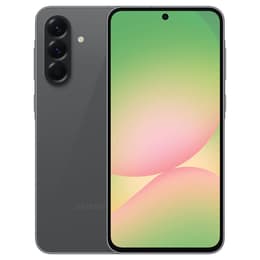
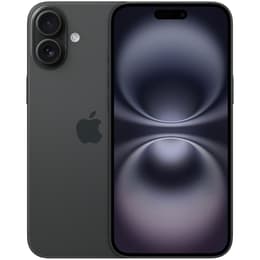
The Samsung Galaxy A56 (released March 2025) and the Apple iPhone 16 Plus (released September 2024) represent distinct approaches to modern smartphone design and functionality. While both devices offer large displays and robust battery life, they cater to different user preferences through their respective operating systems and feature sets. The Galaxy A56 operates on Android with Samsung's One UI, emphasizing customization and a versatile camera system, whereas the iPhone 16 Plus runs on iOS, focusing on a streamlined user experience, powerful performance, and advanced video capabilities.
Colour
Storage
When considering the long-term usability of a smartphone, software support and physical durability are key factors. Both the Galaxy A56 and the iPhone 16 Plus are designed for extended use, though their approaches to longevity differ.
Year of Release
Compatible with latest Update
Foldable
The performance of a smartphone is largely determined by its internal processing power and how efficiently it manages tasks. Both devices offer capable performance for daily use, but they are built on different hardware architectures.
The display is a primary interface for smartphone interaction, and both the Galaxy A56 and iPhone 16 Plus offer vibrant viewing experiences with distinct characteristics.
Resolution
Screen type
Camera capabilities are a significant consideration for many users, and both the Galaxy A56 and iPhone 16 Plus offer advanced systems for capturing photos and videos.
Main camera
Front camera
Beyond core specifications, several practical elements contribute to the overall user experience of a smartphone. The Galaxy A56 and iPhone 16 Plus present different choices in these areas.
Weight
Screen size (in)
Network
SIM card
Carrier compatibility
Connector
User feedback for the Samsung Galaxy A56 often praises its exceptional battery life, with many reporting two days or more of usage on a single charge, making it a reliable companion for extended periods away from a power outlet. [12, 16, 21, 39, 41, 42] Its vibrant Super AMOLED display and long-term software support are also frequently highlighted as strong points. [10, 12, 16, 28, 30, 33] Some users note that while its camera system is versatile, particularly in good lighting, its low-light performance and the utility of the macro lens could be improved. [10, 12, 16, 20, 23] The absence of a headphone jack and, according to some sources, a microSD card slot, are occasional points of criticism. [20, 26]
The iPhone 16 Plus receives consistent acclaim for its powerful performance, driven by the A18 chip, which ensures smooth operation even with demanding applications and AI features. [17, 18, 27, 31] Its camera system is lauded for its consistent image quality, excellent video recording capabilities, and new features like spatial video capture. [17, 18, 34, 40] The extended battery life is a significant draw, often outperforming other iPhone models. [17, 18, 27, 29, 35, 37] However, some users express a desire for a higher refresh rate display, as the 60Hz panel can feel less fluid compared to competitors. [19, 35] The lack of a telephoto lens, present in the Pro models, is also a noted difference. [17, 35, 43]
Users prioritizing extensive battery life, a highly customizable Android experience, and a vibrant 120Hz display may find the Samsung Galaxy A56 well-suited to their needs. Its long software support commitment also makes it an attractive option for those who keep their devices for many years. Conversely, individuals who value a powerful and consistently performing device within the iOS ecosystem, with a focus on advanced photography and video capabilities, and industry-leading battery endurance, will likely lean towards the iPhone 16 Plus. Both devices are available as quality-assured refurbished options, providing an eco-friendly alternative for consumers.