

Compare models
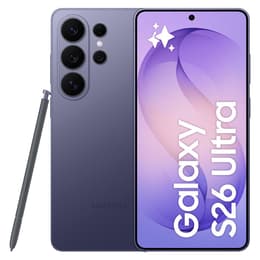
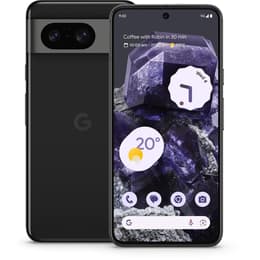
Galaxy S26 Ultra Vs Google Pixel 8a
- 1-year minimum warranty
- Free delivery on all orders
- Free 30-day returns
Differences at a glance
The Samsung Galaxy S26 Ultra (2026) and the Google Pixel 8a (2024) are modern Android smartphones representing different tiers and release windows in the mobile market. While the Galaxy S26 Ultra functions as a large-format flagship loaded with advanced processing and multiple camera lenses, the Google Pixel 8a serves as a compact, streamlined device focused on everyday utility and streamlined software integration. Both handsets operate on Android and offer long-term software support, though they target distinct user preferences regarding physical footprint, capability, and daily application handling.
Available Models
Colour
Storage
Scores
Durability
Evaluating the long-term potential of these devices reveals differences in their release timelines, software update commitments, and physical durability profiles.
- Software Longevity: The Galaxy S26 Ultra benefits from a 2026 release date and extensive system update backing, whereas the Pixel 8a launched in 2024 with a multi-year update commitment that covers several major operating system upgrades.
- Build Resilience: Both models utilize robust protective glass and metal frames, though the larger flagship incorporates higher-grade scratch and drop resistance materials suitable for intensive daily handling.
- Expected Lifespan: Users can anticipate many years of reliable daily service from either choice, with the newer flagship providing a slightly extended horizon for future software compatibility.
Year of Release
2026
2024
Compatible with latest Update
Yes
Yes
OS
Android
Android
Foldable
No
No
Performance
System responsiveness and day-to-day multitasking capabilities vary notably due to hardware configuration differences between the two devices.
- Multitasking and Speed: The Galaxy S26 Ultra handles heavy apps, demanding gaming, and rapid switching between resource-intensive programs smoothly, while the Pixel 8a manages standard daily tasks, web browsing, and moderate app usage reliably.
- Storage Configurations: Samsung offers expansive built-in storage tiers starting at higher capacities, whereas Google provides standard options suitable for average media and application storage.
- Battery Behavior: The Galaxy S26 Ultra includes a large capacity power cell designed for extended heavy use, while the Pixel 8a features a smaller battery that comfortably lasts through a standard day of moderate tasks.
Screen quality
Viewing experiences differ significantly in physical size, panel technology, and maximum brightness output during outdoor use.
- Display Technology: Both devices utilize vibrant OLED panels that deliver deep contrast levels and rich colors, though the Galaxy S26 Ultra features a much larger expansive screen real estate.
- Refresh Rate and Fluidity: Each model supports high refresh rates for smooth scrolling through web pages and documents, adapting dynamically to the content on screen.
- Outdoor Visibility: High peak brightness capabilities on both screens ensure legibility under direct sunlight, with the flagship offering higher luminance thresholds for challenging lighting conditions.
Resolution
1440 x 3120
1080 x 2400
Audiovisual
Photography and media recording hardware reflect the distinct design philosophies of a multi-lens flagship versus a streamlined everyday shooter.
- Lens Versatility: The Galaxy S26 Ultra features a versatile quad-camera array including high-resolution main sensors and dedicated telephoto zoom lenses, while the Pixel 8a relies on a dual-camera system focused on core wide and ultra-wide shots.
- Low-Light Capture: Both devices process night scenes effectively using automated software adjustments, preserving details and minimizing visual noise in dim environments.
- Media and Audio: Speaker output on both models delivers clear sound for calls and video playback, complemented by high-clarity multi-microphone setups for voice recording.
Front camera
12.0
13 megapixels
Miscellaneous
Practical everyday features, physical dimensions, and connectivity standards shape how each device fits into routine transport and usage.
- Physical Dimensions: The Pixel 8a offers a lightweight, compact footprint that fits easily into smaller pockets, whereas the Galaxy S26 Ultra has a substantial build and wider frame designed to accommodate a larger screen.
- Connectivity: Both models support rapid 5G cellular networks, modern Wi-Fi standards, and Bluetooth pairing for wireless accessories.
- Authentication: Secure unlocking is handled via responsive biometric sensors integrated directly into the display panels on both phones.
Weight
214 g
188 g
Screen size (in)
6.9
6.1
Network
5G
5G
SIM card
Physical SIM + eSIM
Physical SIM + eSIM
Carrier compatibility
Unlocked
Unlocked
What the community thinks
Users seeking a large canvas, extensive zoom photography, and maximum processing power for intensive tasks will find the Galaxy S26 Ultra well-suited to their needs. Conversely, users prioritizing a compact form factor, comfortable pocketability, and a straightforward user experience often lean toward the Google Pixel 8a. For consumers exploring sustainable options, choosing a quality-assured refurbished option provides a practical way to acquire these capabilities while reducing electronic waste. Ultimately, the right choice depends on whether physical size and specialized camera versatility outweigh portability and simplified daily utility.