

Compare models

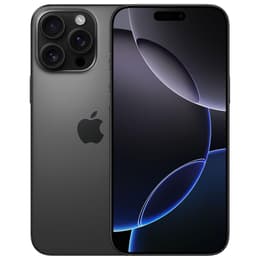
Galaxy S25 FE Vs iPhone 16 Pro Max

  • 1-year minimum warranty
  • Free delivery on all orders
  • Free 30-day returns
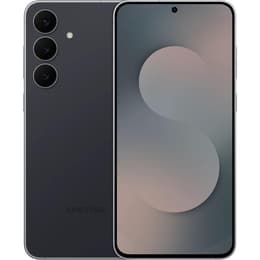
Galaxy S25 FE
Starting at

Refurbished price:€390.00

Versus €750.00 new

See options
iPhone 16 Pro Max
Starting at

Refurbished price:€793.00

Versus €1,489.00 new

See options

Differences at a glance

The Samsung Galaxy S25 FE (2025) and the Apple iPhone 16 Pro Max (2024) represent two distinct approaches to modern smartphone engineering, catering to different operating system preferences and user priorities. While the Galaxy S25 FE runs on Android and focuses on delivering balanced core functionality, the iPhone 16 Pro Max operates on iOS and emphasizes maximum hardware capabilities and display size. These devices differ primarily in their software ecosystems, physical dimensions, and media creation tools, offering tailored experiences for daily mobile communication and productivity.

Available Models

Colour

Storage

Scores

Durability

Both smartphones provide robust build qualities and long-term utility, though their software update schedules and expected lifespans reflect their respective manufacturer support policies.

  • Software Support: The Galaxy S25 FE receives several years of major operating system upgrades, whereas the iPhone 16 Pro Max typically enjoys an extended software lifecycle backed by Apple's long-standing update history.
  • Repairability and Build: Both models feature durable glass and metal constructions with high-level water and dust resistance, supporting reliable day-to-day longevity under normal handling conditions.
  • Practical Lifespan: Users can expect both devices to maintain smooth operational speeds and security standards for many years, making a quality-assured refurbished option a sustainable choice for eco-conscious consumers.

Year of Release

2025

2024

Compatible with latest Update

Yes

Yes

Foldable

No

No

Performance

Underneath the exterior, both devices handle demanding tasks, multitasking, and daily applications with high efficiency, though they manage memory and power differently.

  • Multitasking and Responsiveness: Both models switch between intensive productivity apps, navigation tools, and media streaming smoothly thanks to ample random-access memory and current-generation processing architecture.
  • Storage Configurations: Both devices offer multiple tiered storage capacities to accommodate large photo libraries, downloaded media files, and offline application data.
  • Battery Behavior: Each smartphone incorporates high-capacity batteries designed to endure a full day of standard mixed usage, supporting rapid wired and wireless recharging methods.

Screen quality

Viewing experiences differ across these devices due to variations in panel technology, screen dimensions, and peak luminance levels.

  • Display Technology: Both models utilize vibrant OLED panels that deliver deep contrast levels, sharp text clarity, and wide viewing angles for media consumption and reading.
  • Brightness and Outdoors: High peak brightness capabilities on both screens ensure content remains legible under direct sunlight or bright ambient lighting conditions.
  • Refresh Rates: High refresh rate support ensures fluid scrolling through web pages, smooth animations, and responsive touch feedback during daily navigation.

Audiovisual

Imaging hardware and audio outputs vary, providing distinct capabilities for photography, video recording, and media playback.

  • Camera Systems: Both devices feature multi-lens rear camera arrays including main and ultra-wide sensors, complemented by dedicated zoom options for capturing distant subjects.
  • Video and Low Light: Advanced image stabilization and low-light processing algorithms allow both smartphones to capture clear videos and detailed night photographs.
  • Audio Output: Integrated stereo speaker setups deliver clear audio for hands-free calls, podcasts, and video playback without requiring external speakers.

Miscellaneous

Practical everyday features, connectivity standards, and physical handling characteristics shape how these devices fit into daily routines.

  • Connectivity and Ports: Both models support fast 5G cellular networks, modern Wi-Fi standards, and Bluetooth connections, utilizing reversible universal connection ports for charging and data transfer.
  • Security and Sensors: Secure biometric authentication methods, including facial recognition and integrated fingerprint sensors, protect user data and streamline device unlocking.
  • Physical Dimensions: The Galaxy S25 FE offers a slightly more compact footprint, whereas the iPhone 16 Pro Max provides a substantially larger display canvas accompanied by a heavier overall build.

Weight

190 g

227 g

Screen size (in)

6.7

6.9

Network

5G

5G

SIM card

Physical SIM + eSIM

Physical SIM + eSIM

Carrier compatibility

Unlocked

Unlocked

Connector

USB-C

USB-C (USB 3)

What the community thinks

User feedback from online communities highlights distinct preferences for each device based on everyday usability and ecosystem integration. Owners of the Galaxy S25 FE frequently praise its manageable physical dimensions, reliable screen brightness, and balanced feature set. Conversely, users of the iPhone 16 Pro Max often emphasize appreciation for its expansive display canvas, extended battery endurance during heavy media tasks, and high-tier video recording tools. Common discussions occasionally point out that the larger iPhone model can feel heavy during prolonged one-handed use, while the Galaxy model's software interface and update cadence suit users who prefer customized Android environments.

When deciding between these two options, user priorities serve as the primary guide. Users prioritizing a massive viewing area and iOS integration will find the iPhone 16 Pro Max well-suited to their workflow, while users prioritizing a comfortable physical size and Android flexibility may lean toward the Galaxy S25 FE. Exploring a quality-assured refurbished option provides a sustainable choice for acquiring either device while reducing electronic waste. Ultimately, both smartphones deliver dependable daily performance aligned with their respective platform ecosystems.