

Galaxy S24 Ultra Vs Xiaomi 14T Pro

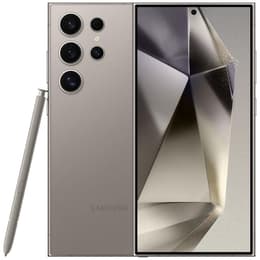
Galaxy S24 Ultra
Galaxy S24 Ultra
Starting at

Refurbished price:542.00

Versus €1,141.93 new

See options
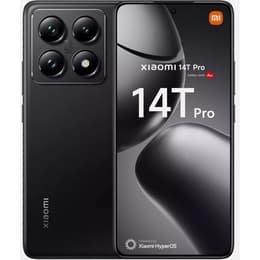
Xiaomi 14T Pro
Xiaomi 14T Pro
Starting at

Refurbished price:395.00

Versus €1,500.00 new

See options

Ratings

The Samsung Galaxy S24 Ultra, released in January 2024, and the Xiaomi 14T Pro, launched in September 2024, represent high-end smartphone offerings from their respective manufacturers. Both devices operate on the Android platform, with the S24 Ultra featuring Samsung's One UI and the 14T Pro running Xiaomi's HyperOS. Key differentiators between these two models include their core processing units, display technologies, and camera system approaches.

Scores

Durability

The practical lifespan of a smartphone is influenced by its build quality, software support, and the availability of repair resources. Both devices offer robust construction and are expected to receive several years of software updates.

  • Release Timeline: The Samsung Galaxy S24 Ultra was released in January 2024, while the Xiaomi 14T Pro followed in September 2024. This gives the Xiaomi device a slightly newer position in the market.
  • Software Longevity: Samsung has committed to providing seven years of operating system and security updates for the Galaxy S24 Ultra, ensuring extended software support. The Xiaomi 14T Pro, running Android 14 with HyperOS, is also expected to receive multiple years of updates, though specific long-term commitments may vary by region.
  • Physical Durability: The Galaxy S24 Ultra features a titanium frame and Gorilla Glass Armor for enhanced screen protection, alongside an IP68 rating for dust and water resistance. The Xiaomi 14T Pro also boasts an aluminum frame, Corning Gorilla Glass Victus 2 on the front, and an IP68 rating, indicating a similar level of protection against environmental elements.

Year of Release

2024

2024

Compatible with latest Update

Yes

Yes

OS

Android

Android

Foldable

No

No

Performance

Performance in modern smartphones is crucial for handling demanding applications, multitasking, and gaming. Both the Galaxy S24 Ultra and the Xiaomi 14T Pro are equipped with powerful components designed for high responsiveness.

  • Processing Power: The Galaxy S24 Ultra is powered by a current-generation Snapdragon processor optimized for Galaxy devices, which provides efficient and powerful performance for various tasks, including advanced AI features and ray tracing for gaming. The Xiaomi 14T Pro utilizes a high-end MediaTek Dimensity processor, which is also designed to deliver strong performance for intensive gaming and multitasking, often showing competitive benchmark scores.
  • Memory and Storage: Both devices offer ample RAM, with the S24 Ultra typically featuring 12GB of RAM and the 14T Pro available with 12GB or 16GB of RAM. Both come with fast UFS 4.0 storage options ranging from 256GB to 1TB, contributing to quick app loading and smooth data access.
  • System Responsiveness: Users can expect a fluid experience on both phones, with applications launching quickly and transitions feeling smooth. The S24 Ultra benefits from its optimized processor and software integration, while the 14T Pro's powerful chipset and HyperOS aim for a highly responsive user interface.

Memory (GB)

12 GB

12 GB

Screen quality

The display is a primary interaction point, and both devices offer high-quality screens designed for immersive viewing experiences, though with some differences in specifications.

  • Display Technology and Resolution: The Samsung Galaxy S24 Ultra features a 6.8-inch Dynamic AMOLED 2X display with a QHD+ resolution (3120 x 1440 pixels), providing sharp and vibrant visuals. The Xiaomi 14T Pro comes with a 6.67-inch AMOLED display, offering a 1.5K resolution (1220x2712 pixels).
  • Brightness and Clarity: The S24 Ultra's display can reach a peak brightness of 2600 nits, enhancing visibility in bright outdoor conditions, and includes an anti-reflective coating. The Xiaomi 14T Pro boasts an even higher peak brightness of up to 4000 nits, ensuring excellent outdoor legibility and vibrant HDR content display.
  • Refresh Rate and Smoothness: Both phones offer adaptive high refresh rates for smooth scrolling and responsive interactions. The S24 Ultra features an adaptive refresh rate from 1Hz to 120Hz, while the 14T Pro offers a 144Hz refresh rate, potentially offering a slightly smoother visual experience in supported content.

Resolution

1440 x 3120

1220 x 2712

Screen type

Dynamic LTPO AMOLED 2X

AMOLED

Audiovisual

Both smartphones are equipped with advanced camera systems, designed to capture high-quality photos and videos across various scenarios, though they approach imaging with different hardware configurations and software optimizations.

  • Rear Camera Systems: The Galaxy S24 Ultra features a versatile quad-camera setup, including a 200MP main sensor, a 50MP telephoto lens with 5x optical zoom, a 10MP telephoto lens with 3x optical zoom, and a 12MP ultrawide lens. The Xiaomi 14T Pro offers a triple camera system with Leica optics, comprising a 50MP main sensor, a 50MP telephoto lens with 2.6x optical zoom, and a 12MP ultrawide lens.
  • Photography Performance: The S24 Ultra is known for its detailed images, strong zoom capabilities, and AI-enhanced photo editing features. The 14T Pro, with its Leica partnership, aims for natural color reproduction and detailed shots, performing well in various lighting conditions, including low light.
  • Video Capabilities: The S24 Ultra supports video recording up to 8K resolution at 30 frames per second, offering high-resolution video capture. The Xiaomi 14T Pro also supports high-resolution video recording, including 4K and 8K options, with good stabilization. Both devices include capable front-facing cameras for selfies and video calls, with the S24 Ultra having a 12MP sensor and the 14T Pro a 32MP sensor.

Main camera

200 megapixels

50 megapixels

Front camera

12 megapixels

32 megapixels

Miscellaneous

Beyond core performance and display, several other features contribute to the overall user experience, including connectivity, physical design, and unique functionalities.

  • Connectivity and Ports: The Galaxy S24 Ultra supports Wi-Fi 7 and Bluetooth 5.3, along with USB-C 3.2 for data transfer and charging. The Xiaomi 14T Pro features Bluetooth 5.4 and USB-C, with Wi-Fi 6 (or potentially Wi-Fi 7, depending on specific regional models). Both devices offer 5G connectivity for fast mobile data.
  • Biometric Security and Unique Features: The S24 Ultra incorporates an ultrasonic under-display fingerprint sensor and includes the integrated S Pen stylus, offering unique productivity and creative capabilities. The Xiaomi 14T Pro also features an under-display optical fingerprint sensor for secure unlocking.
  • Design and Handling: The S24 Ultra has dimensions of 79 x 162.3 x 8.6 mm and weighs 233g, featuring a flat display. The 14T Pro measures 160.4mm x 75.1mm x 8.39mm and weighs 209g, making it slightly lighter and potentially more manageable for some users. Both devices feature stereo speakers for an enhanced audio experience.

Weight

232 g

209 g

Screen size (in)

6.8

6.67

Network

5G

5G

SIM card

Physical SIM + eSIM

Dual Physical SIM

Carrier compatibility

Unlocked

Unlocked

The Samsung Galaxy S24 Ultra and the Xiaomi 14T Pro both stand as capable high-end smartphones, each with distinct strengths that cater to different user preferences. The S24 Ultra is frequently praised for its comprehensive camera system, particularly its versatile zoom capabilities and advanced AI features that enhance both photography and overall device interaction. Users often highlight its long-term software support commitment as a significant advantage for longevity. Criticisms sometimes point to its size and weight, which, while contributing to its large display and battery, can make one-handed use challenging for some.

The Xiaomi 14T Pro garners positive attention for its exceptionally bright display and rapid charging technology, with many users appreciating the speed at which it can be recharged. Its powerful MediaTek processor is noted for handling demanding applications and games smoothly. Some user discussions suggest that while its camera system is strong, the overall imaging experience, despite Leica branding, might be perceived differently compared to the S24 Ultra's extensive zoom range.

Users prioritizing an integrated stylus experience, extensive telephoto camera capabilities, and a longer software update commitment may find the Samsung Galaxy S24 Ultra well-suited to their needs. Conversely, individuals who value an exceptionally bright display, faster charging speeds, and a slightly lighter device might lean towards the Xiaomi 14T Pro. Both devices offer a premium Android experience, and choosing between them often comes down to these specific feature priorities. For those considering either of these advanced devices, exploring quality-assured refurbished options can provide an eco-friendly alternative.


See all articles

Our recent comparisons