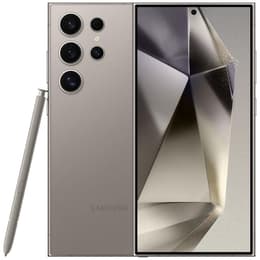



Galaxy S24 Ultra Vs Google Pixel 7 Pro

Galaxy S24 Ultra
Galaxy S24 Ultra
Starting at

Refurbished price:544.00

Versus €1,589.00 new

See options
Google Pixel 7 Pro
Google Pixel 7 Pro
Starting at

Refurbished price:201.00

Versus €640.98 new

See options

Ratings

The Samsung Galaxy S24 Ultra, released in January 2024, and the Google Pixel 7 Pro, launched in October 2022, are both premium Android smartphones. While both offer high-end experiences, the S24 Ultra distinguishes itself with its integrated S Pen, advanced camera system, and a focus on raw performance, whereas the Pixel 7 Pro excels with its AI-driven camera processing and a pure Android interface. Both devices run on the Android operating system, offering distinct user interfaces and software philosophies.

Scores

Durability

The practical lifespan of these devices is influenced by their release timelines and software support policies.

  • Software Longevity: The Galaxy S24 Ultra is promised seven years of major OS updates and security patches, offering extended software support. This means it should receive updates through Android 21. The Google Pixel 7 Pro receives five years of software updates from its release date, which includes three years of OS updates and five years of security updates, theoretically until October 2027.
  • Build Materials: The S24 Ultra features a titanium frame and Gorilla Glass Armor display glass, contributing to enhanced durability and scratch resistance. The Pixel 7 Pro uses an aluminum frame and Gorilla Glass Victus for its display and back.
  • Repairability: Both devices are designed with modern smartphone construction, making user-level repairs challenging. Professional repair services are generally recommended for both models. The Pixel 7 Pro has shown some susceptibility to bending in durability tests, particularly around the camera bar, which could compromise water resistance.

Year of Release

2024

2022

Compatible with latest Update

Yes

Yes

OS

Android

Android

Foldable

No

No

Performance

Performance differences stem primarily from their respective processors and available storage configurations.

  • Processing Power: The Galaxy S24 Ultra is equipped with a current-generation processor, providing substantial power for demanding applications, intensive gaming, and advanced on-device AI features. The Pixel 7 Pro, with its custom-designed chip, handles daily tasks, multitasking, and Google's unique AI features smoothly.
  • System Responsiveness: Users will find both devices highly responsive for general navigation and app usage. The S24 Ultra offers a performance edge for the most resource-intensive tasks, particularly for heavy users and mobile gamers.
  • Storage and RAM: The S24 Ultra offers storage configurations up to 1TB with 12GB of RAM, providing ample space and memory for extensive use. The Pixel 7 Pro offers storage up to 512GB and comes with 8GB or 12GB of RAM, which is sufficient for most users.

Memory (GB)

12 GB

12 GB

Screen quality

Both devices offer high-quality displays, but with some distinctions in their technology and characteristics.

  • Display Technology and Resolution: The Galaxy S24 Ultra features a 6.8-inch Dynamic AMOLED 2X display with a QHD+ resolution (3120 x 1440 pixels), offering vibrant colors and deep blacks. The Pixel 7 Pro has a 6.7-inch LTPO OLED screen, also with a QHD+ resolution (3120 x 1440 pixels), known for its color accuracy and smooth visuals.
  • Brightness and Refresh Rate: The S24 Ultra boasts a peak brightness of up to 2600 nits, making it highly visible even in bright outdoor conditions, and features an adaptive refresh rate from 1Hz to 120Hz for smooth scrolling and power efficiency. The Pixel 7 Pro offers a peak brightness of up to 1500 nits and an adaptive refresh rate from 10Hz to 120Hz.
  • Viewing Experience: The S24 Ultra's display is flat and protected by Gorilla Glass Armor, which also reduces reflections. The Pixel 7 Pro features a curved display with Gorilla Glass Victus protection.

Resolution

1440 x 3120

1440 x 3120

Screen type

Dynamic LTPO AMOLED 2X

LTPO AMOLED

Audiovisual

The camera systems on both devices are highly capable, each with its own strengths in photography and video.

  • Rear Camera Versatility: The Galaxy S24 Ultra boasts a versatile quad-camera setup, including a 200MP main sensor and two telephoto lenses (3x and 5x optical zoom), offering extensive zoom capabilities and high detail. The Pixel 7 Pro features a triple-camera system with a 50MP main sensor and a 5x optical telephoto lens, known for its consistent image quality and computational photography prowess.
  • Photography Performance: The S24 Ultra produces vivid, sharp, and clear images across various shooting conditions, with a focus on detail and zoom. The Pixel 7 Pro is often praised for its exceptional point-and-shoot camera, delivering natural-looking photos, especially in challenging conditions, and its AI-driven features like Magic Eraser.
  • Video Recording and Audio: The S24 Ultra supports 8K video recording at 24/30fps and 4K at up to 120fps, with advanced stabilization. The Pixel 7 Pro records 4K video at 30/60fps. User feedback suggests that while the Pixel 7 Pro excels in stills, its video quality can be less consistent, with some users reporting issues like noticeable exposure shifts. Both devices offer stereo speakers, with the S24 Ultra's audio tuned by AKG.

Main camera

200 megapixels

50 megapixels

Front camera

12 megapixels

10.8 megapixels

Miscellaneous

Beyond core performance, several practical elements differentiate these two devices.

  • Connectivity and Ports: Both devices support 5G connectivity, Wi-Fi 6E, and Bluetooth. The S24 Ultra also supports the newer Wi-Fi 7 standard. Both utilize a USB-C port for charging and data transfer and lack a traditional 3.5mm headphone jack.
  • Biometric Security: The S24 Ultra features an ultrasonic under-display fingerprint sensor, which users often find responsive. The Pixel 7 Pro uses an optical under-display fingerprint sensor and also offers face unlock.
  • Design and Handling: The S24 Ultra has a larger footprint (162.3 x 79 x 8.6mm) and is heavier (232g/233g) due to its titanium frame and integrated S Pen. The Pixel 7 Pro is slightly smaller (162.9 x 76.6 x 8.9mm) and lighter (212g), with an aluminum frame and a distinctive camera bar design. The S Pen in the S24 Ultra offers unique productivity features for note-taking and navigation.

Weight

232 g

212 g

Screen size (in)

6.8

6.7

Network

5G

5G

SIM card

Dual Physical SIM + eSIM

Physical SIM + eSIM

Carrier compatibility

Unlocked

Unlocked

The Samsung Galaxy S24 Ultra and Google Pixel 7 Pro cater to slightly different user priorities within the premium Android segment. The S24 Ultra is frequently praised for its top-tier performance, highly versatile camera system with extensive zoom capabilities, and the unique productivity features offered by the S Pen. Some users note its larger size and weight as considerations. The Pixel 7 Pro is widely acclaimed for its exceptional point-and-shoot camera, delivering consistent and natural-looking photos, especially in challenging conditions. Its clean Android experience and smart AI-driven features are also strong points. However, some users have reported concerns regarding the Pixel 7 Pro's battery life under heavy usage and its durability, particularly concerning the camera bar and bend resistance.

Users prioritizing long-term software support, robust performance for demanding tasks, and advanced zoom photography may prefer the Galaxy S24 Ultra. Its integrated S Pen also appeals to those who value precise input and productivity features. Conversely, users who prioritize a streamlined Android experience, exceptional computational photography for everyday stills, and Google's AI integrations may find the Pixel 7 Pro well-suited to their needs. Both devices represent a quality-assured refurbished option for those seeking a sustainable choice in their electronics. Ultimately, the decision hinges on whether a user values the S24 Ultra's comprehensive feature set and extended support or the Pixel 7 Pro's camera-centric approach and software experience.


See all articles

Our recent comparisons