

Galaxy S23+ Vs Galaxy S25 Ultra

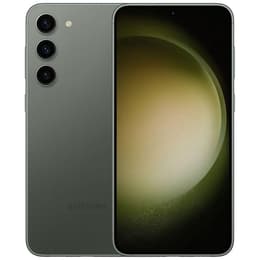
Galaxy S23+
Galaxy S23+
Starting at

Refurbished price:293.00

Versus €1,019.00 new

See options
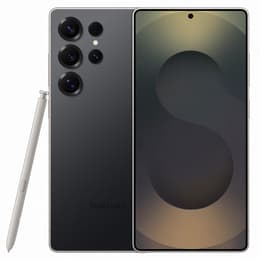
Galaxy S25 Ultra
Galaxy S25 Ultra
Starting at

Refurbished price:735.00

Versus €1,408.78 new

See options

Ratings

The Samsung Galaxy S23 Plus, released in February 2023, and the Samsung Galaxy S25 Ultra, launched in February 2025, represent different tiers and generations within Samsung's flagship smartphone lineup. While both devices offer a premium Android experience, the Galaxy S25 Ultra introduces significant advancements in camera technology, display quality, and overall processing power, reflecting its position as a newer, top-tier model. Both operate on the Android platform, with the S25 Ultra benefiting from a more recent version and extended software support.

Scores

Durability

When considering the practical lifespan of these devices, several factors come into play, primarily their release timelines and Samsung's software support policies. The Galaxy S25 Ultra, being a newer model, naturally offers a longer period of guaranteed software updates and security patches.

  • Release Timeline: The Galaxy S23 Plus was released in February 2023, while the Galaxy S25 Ultra followed two years later in February 2025. This two-year difference directly impacts their remaining support cycles.
  • OS Support Duration: The Galaxy S25 Ultra is expected to receive up to seven major Android operating system upgrades, offering a significantly extended period of new features and system enhancements. In contrast, the Galaxy S23 Plus is anticipated to receive software updates until approximately 2028, typically encompassing around four major OS upgrades and five years of security updates from its release.
  • Durability Features: Both devices feature robust build materials and IP68 ratings for dust and water resistance, contributing to their physical longevity. The Galaxy S25 Ultra, however, incorporates newer protective glass technology, Corning Gorilla Armor 2, and a titanium frame, potentially offering enhanced resistance against drops and scratches compared to the Galaxy S23 Plus's Gorilla Glass Victus 2.

Year of Release

2023

2025

Compatible with latest Update

Yes

Yes

OS

Android

Android

Foldable

No

No

Performance

The performance capabilities of the Galaxy S23 Plus and Galaxy S25 Ultra reflect their respective generations, with the newer Ultra model featuring more advanced internal components designed for demanding tasks.

  • Processing Power: The Galaxy S25 Ultra is equipped with a more recent and powerful processor, enabling it to handle the latest applications, intensive gaming, and complex multitasking with greater efficiency and speed. The Galaxy S23 Plus, while still offering robust performance for everyday use and many demanding applications, features a processor from an earlier generation.
  • Multitasking and Responsiveness: The Galaxy S25 Ultra typically comes with higher RAM configurations (12GB or 16GB) compared to the Galaxy S23 Plus's 8GB, which translates to smoother transitions between multiple open applications and more efficient background process management. Both devices offer a fluid user experience for general navigation and app launching.
  • Storage Options: Both models provide ample internal storage, with the Galaxy S25 Ultra offering up to 1TB, catering to users with extensive media libraries or large application needs. The Galaxy S23 Plus is available with up to 512GB of storage. Neither device supports expandable storage via a microSD card.

Memory (GB)

8 GB

12 GB

Screen quality

The visual experience on both smartphones is premium, though the Galaxy S25 Ultra offers a larger and more refined display.

  • Display Technology and Size: The Galaxy S25 Ultra features a larger 6.9-inch Dynamic LTPO AMOLED 2X display, providing an expansive viewing area. The Galaxy S23 Plus has a 6.6-inch Dynamic AMOLED 2X display. Both technologies deliver vibrant colors and deep blacks.
  • Resolution and Brightness: The S25 Ultra boasts a sharper QHD+ resolution (1440x3120 pixels) and a higher peak brightness of 2600 nits, which enhances clarity and visibility, especially in bright outdoor conditions. The S23 Plus offers a crisp FHD+ resolution (1080x2340 pixels) and a peak brightness of 1750 nits, which is still excellent for most environments.
  • Refresh Rate and Protection: Both devices feature an adaptive 120Hz refresh rate for smooth scrolling and responsive interactions. The S25 Ultra's display is protected by Corning Gorilla Armor 2, while the S23 Plus uses Gorilla Glass Victus 2, both offering strong scratch and drop resistance.

Resolution

1080 x 2340

1080 x 2340 pixels

Audiovisual

The camera systems on both the Galaxy S23 Plus and Galaxy S25 Ultra are capable, but the Ultra model provides a more versatile and advanced photography and videography experience.

  • Rear Camera System: The Galaxy S25 Ultra features a quad-camera setup, including a high-resolution 200MP main sensor, a 50MP ultrawide lens, a 10MP telephoto lens with 3x optical zoom, and an additional 50MP periscope telephoto lens offering 5x optical zoom. This configuration allows for greater flexibility in capturing subjects at various distances. The Galaxy S23 Plus has a triple-camera system with a 50MP main sensor, a 12MP ultrawide, and a 10MP telephoto lens with 3x optical zoom.
  • Photography Performance: The S25 Ultra's larger sensors and advanced processing contribute to improved detail, dynamic range, and low-light performance, particularly with its enhanced ultrawide camera. Users generally find the S25 Ultra's camera system to be outstanding, producing bright and detailed images. The S23 Plus also delivers excellent photos with vibrant colors, though some users note it may not match the low-light capabilities of the Ultra models.
  • Video Capabilities: Both phones support 8K video recording, with the S25 Ultra offering 8K at 24/30fps and additional features like Log format recording and an Audio Eraser tool for improved sound quality. The S23 Plus records 8K at 30fps. The S25 Ultra also offers 4K recording at higher frame rates, including 120fps.

Front camera

12 megapixels

8K@24/30fps

Miscellaneous

Beyond the core specifications, several practical elements differentiate the user experience between these two Samsung flagships.

  • Connectivity and Ports: Both devices support 5G connectivity for fast mobile data. The Galaxy S25 Ultra likely includes newer Wi-Fi standards (e.g., Wi-Fi 7) compared to the Galaxy S23 Plus's Wi-Fi 6, offering potentially faster and more stable wireless connections. Both utilize a USB-C port for charging and data transfer and lack a traditional 3.5mm headphone jack.
  • Biometric Security: Both phones feature in-display fingerprint sensors for secure unlocking. The Galaxy S25 Ultra also includes advanced facial recognition. Some users of the S25 Ultra have expressed a preference for a side-mounted fingerprint sensor for comfort.
  • Dimensions and Handling: The Galaxy S25 Ultra is a larger and heavier device, measuring 162.8 x 77.6 x 8.2 mm and weighing 218g, which might appeal to users who prefer a more substantial device and a larger screen. The Galaxy S23 Plus is slightly more compact at 157.8 x 76.2 x 7.6 mm and 196g, offering a more manageable feel for some users.

Weight

168 g

2 g

Screen size (in)

6.6

6.9

Network

5G

5G

SIM card

Dual Physical SIM + eSIM

Physical SIM + eSIM

Carrier compatibility

Unlocked

Unlocked

Connector

USB-C

USB-C

The Samsung Galaxy S23 Plus and Galaxy S25 Ultra cater to users with distinct priorities, reflecting their different positions in Samsung's product lineup and their respective release years. User feedback for the Galaxy S23 Plus often highlights its excellent battery life, smooth performance for daily tasks, and a display that, while not the highest resolution, is generally praised for its vibrancy and clarity. Many users appreciate its balanced size, finding it less unwieldy than the larger Ultra models. Criticisms sometimes point to its camera system being good but not on par with the absolute best, particularly in low-light scenarios compared to its Ultra counterpart.

The Galaxy S25 Ultra, on the other hand, receives consistent praise for its expansive and exceptionally bright QHD+ display, its highly versatile and advanced quad-camera system with superior zoom capabilities, and its top-tier performance that handles any task with ease. Users frequently commend its long-lasting battery, often reporting over a day of heavy use. Some common criticisms include its larger size and weight, which might not suit all users, and some minor software bugs or specific S Pen features that some users feel could be improved.

Ultimately, users prioritizing a more compact form factor with strong all-around performance and excellent battery life may find the Galaxy S23 Plus well-suited to their needs. It remains a capable device for everyday use, media consumption, and general photography. Conversely, users who demand the absolute latest in mobile technology, particularly in camera versatility, display quality, and raw processing power for intensive applications, will likely lean towards the Galaxy S25 Ultra. Its larger screen and advanced features make it ideal for power users, content creators, and those who value a cutting-edge smartphone experience. For those considering either device, exploring quality-assured refurbished options can provide an eco-friendly alternative to owning these advanced smartphones.


See all articles

Our recent comparisons