
Compare models
Galaxy S23 Ultra Vs Galaxy Z Fold7
- 1-year minimum warranty
- Free delivery on all orders
- Free 30-day returns
Differences at a glance
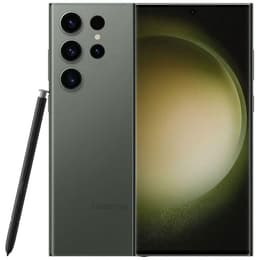
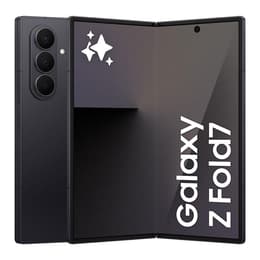
The Samsung Galaxy S23 Ultra (2023) and the Samsung Galaxy Z Fold7 (2025) represent two distinct visions of high-end mobile engineering from the same manufacturer. While the Galaxy S23 Ultra maintains a traditional slab form factor with an integrated stylus slot, the Galaxy Z Fold7 introduces a book-style folding design with dual screens. They deliver high-tier processing power and advanced camera configurations, yet cater to entirely different daily workflows through their physical design philosophies.
Available Models
Colour
Storage
Scores
Durability
Both devices are built with robust frame materials and protected glass layers, but their internal design mechanics and release timelines introduce different considerations for long-term ownership and structural resilience.
- Release Timeline and Software Support: The Galaxy S23 Ultra launched earlier, meaning its scheduled software update window runs through an earlier calendar year compared to the newer Galaxy Z Fold7, which benefits from an extended multi-year support lifecycle matching current industry standards.
- Structural Durability and Mechanics: The Galaxy S23 Ultra features a traditional unibody glass and metal build that scores high in straightforward drop resistance, whereas the Galaxy Z Fold7 incorporates a complex hinge and flexible inner screen that requires careful handling over years of daily folding actions.
- Expected Practical Lifespan: Both smartphones maintain strong processing longevity, though traditional slab devices typically face fewer mechanical wear points over extended multi-year usage cycles compared to folding alternatives.
Year of Release
2023
2025
Compatible with latest Update
Yes
Yes
OS
Android
Android
Foldable
No
Yes
Performance
Underneath their exteriors, both smartphones house capable processing hardware that handles demanding applications, graphic-heavy gaming, and split-screen multitasking with reliable fluency.
- Storage and Multitasking Capacity: The Galaxy S23 Ultra provides ample storage tiers paired with generous memory configurations, while the Galaxy Z Fold7 scales up to higher memory options on its maximum storage variants to support heavy multi-window desktop-like workflows.
- Battery Behavior and Power Management: The Galaxy S23 Ultra utilizes a larger single-cell battery capacity that reliably manages a full day of mixed usage, whereas the Galaxy Z Fold7 distributes power across dual screens, meaning intensive use of the large inner display results in quicker battery depletion.
- System Responsiveness: Both devices deliver smooth app loading speeds, responsive touch feedback, and stable thermal regulation during extended productivity sessions or gaming intervals.
Screen quality
Display technology represents the most visible point of divergence between these two models, impacting media consumption, reading habits, and outdoor usability.
- Display Architecture: The Galaxy S23 Ultra offers a single, curved edge screen with rich contrast and sharp pixel density, while the Galaxy Z Fold7 features a conventional cover display alongside an expansive tablet-sized inner folding screen.
- Brightness and Outdoor Legibility: Both models achieve high peak brightness levels equipped with automated outdoor enhancement features, ensuring content remains legible under direct sunlight conditions.
- Refresh Rate and Smoothness: Each device supports adaptive refresh rates scaling up to high frequencies, ensuring fluid scrolling through web pages, documents, and user interface animations.
Resolution
1440 x 3088
1968x2184
Audiovisual
Imaging capabilities on both smartphones offer versatile focal lengths and high-resolution sensors suited for capturing everyday moments, detailed landscapes, and low-light environments.
- Sensor Configuration: Both devices feature high-megapixel main sensors capable of capturing fine textures, supported by ultra-wide lenses and telephoto options for optical zoom versatility.
- Video and Audio Recording: High-resolution video recording modes are standard on both models, paired with clear microphone arrays that isolate voice input effectively during calls or video messages.
- Media Consumption and Speakers: The Galaxy S23 Ultra provides a balanced stereo speaker setup for standard media playback, whereas the Galaxy Z Fold7 enhances movie watching and video viewing when opened fully in landscape orientation.
Miscellaneous
Practical everyday utilities, physical dimensions, and connectivity standards shape how easily each device integrates into travel, work, and communication routines.
- Connectivity and Ports: Both smartphones support modern fifth-generation cellular networks, rapid Wi-Fi standards, and Bluetooth pairing, relying on standard physical charging ports without legacy audio jacks.
- Biometrics and Authentication: Secure device entry is handled via responsive under-display fingerprint sensors and facial recognition options on both models.
- Handling and Portability: The Galaxy S23 Ultra carries a heavier, boxy footprint with sharp corners, while the Galaxy Z Fold7 adopts a narrower folded profile that slips easily into pockets before opening into a wider workspace.
Weight
233 g
215 g
Screen size (in)
6.8
8.0
Network
5G
5G
SIM card
Dual Physical SIM + eSIM
Carrier compatibility
Unlocked
Unlocked
Connector
USB-C
USB-C (USB 3)
What the community thinks
User discussions across community forums highlight distinct preferences for each device based on physical format. Owners of the Galaxy S23 Ultra frequently praise its reliable battery performance, integrated stylus utility, and comfortable one-handed grip for a traditional phone. Conversely, users of the Galaxy Z Fold7 often emphasize the productivity advantages of the expansive inner screen for multitasking and media viewing, though some note the added thickness when folded and the mindfulness required with a folding display. When evaluating a quality-assured refurbished option through Back Market, buyers can access either form factor as a sustainable choice that reduces electronic waste without compromising on functional capability.
Users prioritizing productivity, split-screen app usage, and a tablet-sized canvas in a pocketable format will find the Galaxy Z Fold7 well-suited to their workflow. Meanwhile, users who value a built-in stylus, traditional single-screen ergonomics, and straightforward daily durability may lean toward the Galaxy S23 Ultra. Deciding between these two options depends entirely on whether a traditional smartphone layout or an expandable folding workspace better complements daily routines.