

Galaxy S22 5G Vs iPhone 14 Plus

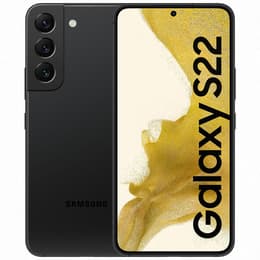
Galaxy S22 5G
Galaxy S22 5G
Starting at

Refurbished price:174.00

Versus €851.00 new

See options
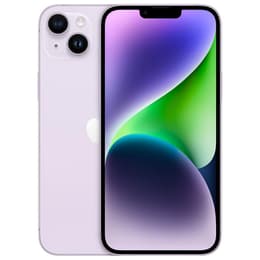
iPhone 14 Plus
iPhone 14 Plus
Starting at

Refurbished price:317.00

Versus €879.00 new

See options

Ratings

The Samsung Galaxy S22 5G, released in February 2022, and the iPhone 14 Plus, launched in October 2022, represent distinct approaches to the modern smartphone experience. While both offer premium features, they cater to different user preferences, primarily through their operating systems, screen sizes, and camera philosophies. The Galaxy S22 operates on Android, providing a compact design with a versatile camera system, whereas the iPhone 14 Plus runs on iOS, offering a larger display and extended battery life.

Scores

Durability

When considering the long-term usability of these devices, their respective release timelines and software support policies are key factors.

  • Software Updates: The Samsung Galaxy S22 5G launched with Android 12 and typically receives around four to five years of major Android operating system updates, alongside security patches. The iPhone 14 Plus, introduced with iOS 16, generally benefits from five to six years of major iOS updates, potentially offering a slightly longer period of current software support.
  • Physical Durability: Both devices feature robust builds. The Galaxy S22 5G incorporates Gorilla Glass Victus+ on both its front and back, complemented by an aluminum frame, and carries an IP68 rating for dust and water resistance. The iPhone 14 Plus utilizes Apple's Ceramic Shield on the front, a glass back, and an aluminum design, also with an IP68 rating.
  • Repairability: User reports and expert assessments suggest that the iPhone 14 Plus offers a more repair-friendly internal design compared to some previous iPhone models, which can contribute to its practical lifespan.

Year of Release

2022

2022

Compatible with latest Update

Yes

Yes

OS

Android

iOS

Foldable

No

No

Performance

The performance of a smartphone is crucial for daily tasks, from app usage to multitasking and gaming. Both devices deliver capable performance, though with different underlying architectures.

  • Processing Power: The Galaxy S22 5G is powered by a current-generation processor (either Snapdragon 8 Gen 1 or Exynos 2200 depending on region) paired with 8GB of RAM, enabling smooth operation for most applications and multitasking. The iPhone 14 Plus features the A15 Bionic chip with a 5-core GPU and 6GB of RAM, known for its efficient handling of demanding applications and graphics-intensive tasks.
  • Storage Options: The Galaxy S22 5G is available with 128GB or 256GB of internal storage. The iPhone 14 Plus offers more flexibility with 128GB, 256GB, and 512GB storage configurations.
  • Battery Behavior: The Galaxy S22 5G, with its 3700 mAh battery, has been noted by some users to require more frequent charging, especially with heavy use or when utilizing its high refresh rate display. In contrast, the iPhone 14 Plus, equipped with a 4323 mAh battery, is widely praised for its extended battery life, often capable of lasting through more than a full day of moderate to heavy usage, and sometimes even longer for lighter users.

Memory (GB)

8 GB

6 GB

Screen quality

The visual experience is a primary interaction point for any smartphone, and both the Galaxy S22 5G and iPhone 14 Plus offer high-quality displays with distinct characteristics.

  • Display Technology and Size: The Galaxy S22 5G features a 6.1-inch Dynamic AMOLED 2X display, providing vibrant colors and deep blacks. The iPhone 14 Plus boasts a larger 6.7-inch Super Retina XDR OLED display, offering an expansive viewing area.
  • Refresh Rate and Smoothness: The Galaxy S22 5G includes an adaptive 120Hz refresh rate, which contributes to smoother scrolling and a more fluid visual experience, particularly noticeable in fast-paced content. The iPhone 14 Plus has a standard 60Hz refresh rate, which is consistent for everyday use but does not offer the same level of fluidity as higher refresh rate displays.
  • Brightness and Clarity: Both displays offer excellent clarity and brightness. The Galaxy S22 5G can reach a peak brightness of 1300 nits, ensuring good visibility in various lighting conditions. The iPhone 14 Plus achieves a peak brightness of 1200 nits for HDR content, providing clear visuals even outdoors.

Resolution

1080 x 2340

1284 x 2778

Screen type

Dynamic AMOLED 2X

Super Retina XDR OLED

Audiovisual

Both smartphones are equipped with advanced camera systems designed to capture high-quality photos and videos, though they differ in their configurations and specific strengths.

  • Rear Camera System: The Galaxy S22 5G features a versatile triple-camera setup, including a 50MP main sensor, a 12MP ultrawide lens, and a 10MP telephoto lens with 3x optical zoom, offering flexibility for various shooting scenarios. The iPhone 14 Plus comes with a dual-camera system, comprising a 12MP main camera with a larger sensor and a 12MP ultrawide camera, focusing on enhanced low-light performance and image processing.
  • Photography Features: The Galaxy S22 5G is noted for its 'Nightography' features, improving low-light photography, and its ability to record 8K video. The iPhone 14 Plus introduces the Photonic Engine for improved detail and color in low-light photos and an Action Mode for enhanced video stabilization, alongside 4K Dolby Vision video recording.
  • Front Camera: The Galaxy S22 5G has a 10MP front-facing camera. The iPhone 14 Plus features a 12MP TrueDepth front camera with autofocus and improved low-light capabilities, which also powers its Face ID biometric security.

Main camera

50 megapixels

12 megapixels

Front camera

10 megapixels

12 megapixels

Miscellaneous

Beyond the core features, several other elements contribute to the overall user experience and practical utility of these smartphones.

  • Connectivity and Ports: Both devices support 5G connectivity and Wi-Fi 6 for fast wireless internet. The Galaxy S22 5G uses a USB-C port for charging and data transfer, while the iPhone 14 Plus retains Apple's proprietary Lightning port. The iPhone 14 Plus also features Bluetooth 5.3, a slight upgrade from the Galaxy S22 5G's Bluetooth 5.2.
  • Biometric Security: The Galaxy S22 5G offers an ultrasonic in-display fingerprint sensor for secure unlocking and authentication. The iPhone 14 Plus relies on Face ID, Apple's facial recognition system, for biometric security.
  • Physical Design and Handling: The Galaxy S22 5G is a more compact device, measuring 146 x 70.6 x 7.6 mm and weighing 167g, making it easier for one-handed use. The iPhone 14 Plus is larger at 160.8 x 78.1 x 7.8 mm and heavier at 203g, providing a more expansive screen but requiring a two-handed grip for many users.

Weight

195 g

150 g

Screen size (in)

6.1

6.7

Network

5G

5G

SIM card

Physical SIM + eSIM

eSIM

Carrier compatibility

Unlocked

Unlocked

Connector

USB-C + Jack 3.5mm

Lightning

User sentiment for the Samsung Galaxy S22 5G often highlights its excellent display quality, compact form factor, and versatile camera system as strong points. However, common criticisms frequently revolve around its battery life, with some users reporting it struggles to last a full day, especially under heavy usage or with the 120Hz refresh rate enabled. There have also been mentions of the device heating up during intensive tasks, particularly for the Exynos variants.

For the iPhone 14 Plus, the most consistent praise centers on its exceptional battery life, with many users finding it capable of lasting multiple days on a single charge. Its large display is also a significant draw for media consumption and productivity. Criticisms often point to the display's standard 60Hz refresh rate, which some users feel is a step behind competitors, and the continued use of the Lightning port instead of USB-C. Some also view its upgrades over its predecessor as incremental.

Users prioritizing a compact Android device with a highly capable and versatile camera, including a telephoto lens, may find the Galaxy S22 5G well-suited to their needs. Its vibrant, high refresh rate display offers a fluid visual experience. Conversely, individuals seeking a large-screen smartphone with industry-leading battery life and the robust iOS ecosystem will likely lean towards the iPhone 14 Plus. Its focus on enhanced low-light photography and advanced video stabilization features also makes it appealing for content creators. Both devices offer a quality-assured refurbished option, providing an eco-friendly alternative for consumers.

See all articles

Our recent comparisons