

Galaxy S21 5G Vs iPhone 12 Pro Max

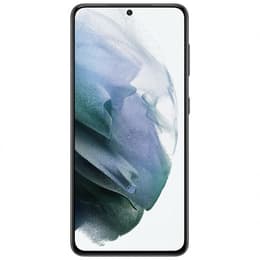
Galaxy S21 5G
Galaxy S21 5G
Starting at

Refurbished price:165.00

Versus €1,026.00 new

See options
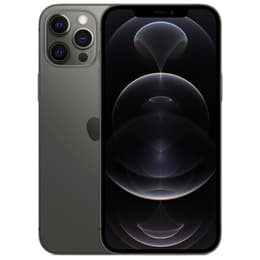
iPhone 12 Pro Max
iPhone 12 Pro Max
Starting at

Refurbished price:244.00

Versus €1,139.00 new

See options

Ratings

The Samsung Galaxy S21 5G and the iPhone 12 Pro Max are both prominent smartphones that were released in late 2020 and early 2021, respectively. While the Galaxy S21 5G operates on the Android platform, the iPhone 12 Pro Max runs on iOS, offering distinct user experiences. Key differentiators between these devices include their display technologies, camera systems, and overall design philosophies.

Scores

Durability

When considering the practical lifespan of these devices, several factors come into play, including their release timelines, software support, and physical durability.

  • Release Timeline: The iPhone 12 Pro Max was released in November 2020, while the Galaxy S21 5G followed in January 2021. This means the iPhone model is slightly older, potentially impacting its remaining software support window.
  • Software Longevity: Apple typically provides iOS updates for its devices for approximately 5-6 years from their release date. Samsung generally offers several years of Android OS updates and security patches, though the exact duration can vary. Users prioritizing the longest possible software support might find a slight edge with the newer Galaxy S21 5G, or consider a quality-assured refurbished option for either device to extend its useful life.
  • Physical Durability: The iPhone 12 Pro Max features a Ceramic Shield front cover and a stainless steel frame, contributing to its robust build. The Galaxy S21 5G uses Corning Gorilla Glass Victus on the front and a plastic back with an aluminum frame. Both devices carry an IP68 rating for dust and water resistance.

Year of Release

2021

2020

Compatible with latest Update

Yes

Yes

OS

Android

iOS

Foldable

No

No

Performance

Both smartphones offer capable performance for daily tasks and demanding applications, though they achieve this through different hardware architectures.

  • Processing Capabilities: The iPhone 12 Pro Max is equipped with a powerful processor designed for smooth operation across iOS applications and demanding games. The Galaxy S21 5G, depending on the region, features a high-performance processor that handles multitasking and graphically intensive tasks efficiently.
  • Multitasking and Responsiveness: The iPhone 12 Pro Max includes 6GB of RAM, which supports fluid app switching and keeps multiple applications active in the background. The Galaxy S21 5G typically comes with 8GB of RAM, providing ample capacity for extensive multitasking and maintaining application states.
  • Storage Options: The iPhone 12 Pro Max is available with 128GB, 256GB, or 512GB of internal storage. The Galaxy S21 5G offers 128GB or 256GB storage configurations. Neither device supports expandable storage via a microSD card.
  • Battery Behavior: The iPhone 12 Pro Max has a 3687 mAh battery, which users often report provides a full day of use for many. The Galaxy S21 5G features a 4000 mAh battery, designed to offer comparable endurance for typical daily usage.

Memory (GB)

8 GB

6 GB

Screen quality

The display is a primary interaction point, and both devices offer high-quality viewing experiences with distinct characteristics.

  • Display Technology: The iPhone 12 Pro Max features a 6.7-inch Super Retina XDR OLED display, known for its deep blacks and vibrant colors. The Galaxy S21 5G sports a 6.2-inch Dynamic AMOLED 2X display, which also delivers rich colors and strong contrast.
  • Resolution and Clarity: The iPhone 12 Pro Max has a resolution of 2778 by 1284 pixels, resulting in a pixel density of 458 pixels per inch (ppi). The Galaxy S21 5G offers a 2400 by 1080 pixel resolution, with a pixel density of 421 ppi. Both provide sharp visuals for text and images.
  • Refresh Rate: A notable difference is the refresh rate; the iPhone 12 Pro Max has a standard 60Hz refresh rate. The Galaxy S21 5G features an adaptive 120Hz refresh rate, which can make scrolling and animations appear smoother.
  • Brightness: The iPhone 12 Pro Max can reach up to 800 nits typical brightness and 1200 nits peak brightness for HDR content. The Galaxy S21 5G can achieve a peak brightness of up to 1300 nits. Both displays offer good visibility in various lighting conditions, including bright sunlight.

Resolution

1080 x 2400

1284 x 2778

Screen type

Dynamic AMOLED 2X

Super Retina XDR OLED

Audiovisual

Both smartphones are equipped with advanced camera systems designed to capture high-quality photos and videos, each with its own strengths.

  • Rear Camera System: The iPhone 12 Pro Max features a triple 12-megapixel camera setup, including a wide, ultra-wide, and telephoto lens with 2.5x optical zoom and sensor-shift optical image stabilization on the main sensor. The Galaxy S21 5G also has a triple camera array, consisting of a 12-megapixel wide lens, a 64-megapixel telephoto lens with 3x hybrid optical zoom, and a 12-megapixel ultra-wide lens.
  • Low-Light Performance: The iPhone 12 Pro Max's larger sensor on its wide camera is designed to capture more light, improving low-light photography. The Galaxy S21 5G also offers strong low-light performance, with users reporting good results in challenging conditions.
  • Video Recording: The iPhone 12 Pro Max supports Dolby Vision HDR video recording, offering enhanced dynamic range in videos. The Galaxy S21 5G is capable of recording video at up to 8K resolution, and also offers 4K at 60 frames per second.
  • Additional Camera Features: The iPhone 12 Pro Max includes a LiDAR scanner for improved autofocus in low light and enhanced augmented reality experiences. The Galaxy S21 5G offers features like Director's View, allowing users to switch between camera lenses while recording.

Main camera

12 megapixels

12 megapixels

Front camera

10 megapixels

12 megapixels

Miscellaneous

Beyond core performance and display, several other features contribute to the overall user experience and device utility.

  • Connectivity: Both devices support 5G cellular networks, Wi-Fi 6, and Bluetooth 5.0, ensuring fast wireless communication and data transfer.
  • Ports and Biometrics: The iPhone 12 Pro Max uses Apple's proprietary Lightning port for charging and data transfer, and relies on Face ID for secure authentication. The Galaxy S21 5G features a USB-C port and an ultrasonic in-display fingerprint sensor for biometric security. Neither phone includes a 3.5mm headphone jack.
  • Design and Handling: The iPhone 12 Pro Max has a flat-edged design with a stainless steel frame and a textured matte glass back, weighing 228 grams. The Galaxy S21 5G features a contoured camera housing, an aluminum frame, and a plastic back, weighing 169 grams. The iPhone is generally perceived as a larger and heavier device, which can impact one-handed use for some users.

Weight

171 g

226 g

Screen size (in)

6.2

6.7

Network

5G

5G

SIM card

Physical SIM + eSIM

Physical SIM + eSIM

Carrier compatibility

Unlocked

Unlocked

Connector

USB-C

Lightning

The choice between the Samsung Galaxy S21 5G and the iPhone 12 Pro Max often comes down to individual preferences for operating system, camera priorities, and device size. Users frequently praise the iPhone 12 Pro Max for its robust build quality, consistent camera performance, especially in video, and strong battery life. Some users, however, find its size and weight to be a drawback for one-handed use, and the 60Hz display refresh rate is sometimes noted as a point of comparison against newer devices.

The Galaxy S21 5G is often lauded for its vibrant 120Hz display, versatile camera system with 8K video capabilities, and its more compact form factor compared to the Pro Max. Criticisms sometimes revolve around the plastic back material on the standard S21 model and occasional inconsistencies in camera processing compared to some rivals.

Users prioritizing a larger display, a highly optimized video recording experience, and the iOS ecosystem may find the iPhone 12 Pro Max well-suited to their needs. Conversely, those who prefer a smoother scrolling experience with a high refresh rate display, the flexibility of the Android operating system, and a slightly lighter device might lean towards the Galaxy S21 5G. Both devices remain capable smartphones in 2026, and opting for a quality-assured refurbished option can be an eco-friendly alternative to purchasing new, allowing users to enjoy these features sustainably.


See all articles

Our recent comparisons