
iPhone

Compare models
Differences at a glance
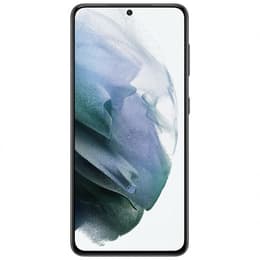
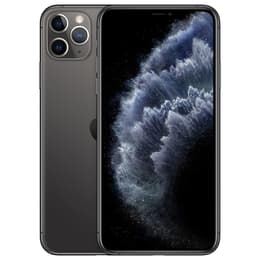
The Samsung Galaxy S21 5G, released in January 2021, and the Apple iPhone 11 Pro Max, launched in September 2019, represent flagship smartphones from their respective manufacturers. While both devices offer premium experiences, they differ significantly in their operating systems and key hardware features. The Galaxy S21 5G runs on Android, offering a customizable interface, whereas the iPhone 11 Pro Max operates on Apple's iOS, known for its integrated ecosystem. A primary distinction lies in the Galaxy S21 5G's inclusion of 5G connectivity and a higher refresh rate display, features not present in the iPhone 11 Pro Max.
Colour
Storage (GB)
When considering the practical lifespan of these devices, several factors come into play, including their release dates and ongoing software support. The iPhone 11 Pro Max, released in late 2019, typically receives major iOS updates for approximately five to six years from its launch. As of early 2026, it is running iOS 26.4, indicating continued software support. The Galaxy S21 5G, launched in early 2021, received its final major Android OS update (Android 15 with One UI 7) in May 2025, and its security updates transitioned to a quarterly schedule in February 2025, with support expected to conclude around January 2026.
Year of Release
Compatible with latest Update
OS
Foldable
Both smartphones were equipped with powerful processors for their respective release eras, designed to handle demanding applications and multitasking efficiently. The real-world performance experience, however, can differ based on software optimization and hardware capabilities.
The visual experience on both devices is a highlight, though they employ different display technologies and refresh rates that impact overall smoothness and clarity.
Resolution
Screen type
Both smartphones are equipped with advanced camera systems designed to capture high-quality photos and videos, each with its own strengths and features.
Main camera
Front camera
Beyond core performance and display, several practical elements contribute to the overall user experience and differentiate these two devices.
Weight
Screen size (in)
Network
SIM card
Carrier compatibility
Connector
User feedback for the iPhone 11 Pro Max often highlights its exceptional battery life, with many appreciating its ability to last through extended periods of use. Its camera system, particularly the introduction of Night mode and Deep Fusion, also received significant praise for improving image quality in various conditions. Some common criticisms include its substantial weight and size, which some users found challenging for one-handed use, and the lack of a higher refresh rate display compared to contemporary Android flagships.
The Samsung Galaxy S21 5G is frequently lauded for its vibrant 120Hz adaptive display, which provides a noticeably smoother visual experience during scrolling and gaming. Its inclusion of 5G connectivity was also a significant advantage upon its release, offering faster network speeds. User concerns sometimes centered on the shift to a plastic back panel, which some perceived as a less premium material compared to its predecessors, and the removal of the microSD card slot.
Users prioritizing a device with a longer software update cycle and a highly optimized, consistent user experience may find the iPhone 11 Pro Max well-suited to their needs. Conversely, those who value the latest connectivity standards like 5G, a smoother high-refresh-rate display, and a more customizable operating system might lean towards the Galaxy S21 5G. Both devices offer robust camera capabilities, but the Galaxy S21 5G provides 8K video recording, while the iPhone 11 Pro Max excels in low-light still photography with its Night mode. For those seeking a more sustainable choice, considering a quality-assured refurbished option for either model can provide an eco-friendly alternative.