

Compare models

Galaxy S23 Ultra Vs Xiaomi Redmi Note 13 4G

  • 1-year minimum warranty
  • Free delivery on all orders
  • Free 30-day returns
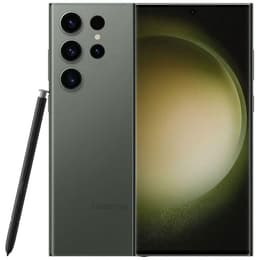
Galaxy S23 Ultra
Starting at

Refurbished price:€423.00

Versus €1,409.00 new

See options
Xiaomi Redmi Note 13 4G
Starting at

Refurbished price:€174.00

Versus €340.00 new

See options

Differences at a glance

The Samsung Galaxy S23 Ultra (2023) and the Xiaomi Redmi Note 13 4G (2024) are two distinct smartphones designed for vastly different user preferences and operational tiers. While the Galaxy S23 Ultra serves as a high-end flagship device packed with advanced mobile capabilities, the Xiaomi Redmi Note 13 4G focuses on delivering everyday functionality within an accessible mid-range category. Operating on distinct versions of the Android ecosystem with specialized user interfaces, these models cater to unique feature sets. Examining their practical differences helps users identify which device matches their daily workflow.

Available Models

Colour

Storage

Scores

Durability

When evaluating structural longevity and software support, the Samsung Galaxy S23 Ultra and Xiaomi Redmi Note 13 4G offer differing timelines for long-term usage.

  • Release timeline and update support: The Galaxy S23 Ultra launched in early 2023 with an extended multi-year software support commitment, whereas the Xiaomi Redmi Note 13 4G arrived in early 2024 with a standard mid-range update lifecycle.
  • Build materials and physical protection: The Galaxy S23 Ultra utilizes robust glass and aluminum construction paired with an advanced water-resistance rating, while the Redmi Note 13 4G features lightweight composite frames with basic splash resistance.
  • Expected practical lifespan: The flagship hardware specifications of the Samsung model provide greater overhead for future software demands, whereas the Xiaomi option suits users with routine, less intensive day-to-day requirements.

Year of Release

2023

2024

Compatible with latest Update

Yes

Yes

OS

Android

Android

Foldable

No

No

Performance

Under everyday conditions, the processing capabilities and memory configurations of these two smartphones handle multitasking and application management differently.

  • System responsiveness and app loading: The Galaxy S23 Ultra handles heavy applications, demanding mobile games, and intensive background tasks smoothly, while the Redmi Note 13 4G manages standard messaging, social media, and web browsing efficiently.
  • Memory and storage variations: The Samsung model offers high-capacity internal storage tiers paired with generous random access memory, whereas the Xiaomi device provides balanced storage options suited for standard media collections and everyday files.
  • Battery behavior and daily endurance: Both devices house large batteries capable of lasting through a full day of mixed usage, though their processor efficiencies result in distinct power consumption patterns under heavy workloads.

Screen quality

Visual output and display technologies shape the media consumption and daily viewing experiences on both smartphones.

  • Display technology and clarity: Both models feature bright, high-resolution panels with vibrant color reproduction, though the Galaxy S23 Ultra employs advanced dynamic refresh rate technology for smoother scrolling.
  • Outdoor visibility: High peak brightness levels on both screens ensure that text and images remain legible when viewed under direct sunlight.
  • Screen dimensions and physical layout: The Galaxy S23 Ultra provides a slightly larger canvas with subtly curved edges, whereas the Redmi Note 13 4G utilizes a flat panel format that some users find simpler to navigate.

Resolution

1440 x 3088

1080 x 2400

Screen type

Dynamic AMOLED 2X

AMOLED

Audiovisual

Media capture and audio output capabilities vary significantly, reflecting the distinct market positioning of each device.

  • Camera hardware versatility: The Galaxy S23 Ultra includes a multi-lens system featuring high-resolution main sensors and specialized optical zoom capabilities, while the Redmi Note 13 4G equips a primary high-megapixel lens supported by basic secondary sensors.
  • Low-light and video performance: The Samsung device captures detailed low-light imagery and supports high-resolution video recording, whereas the Xiaomi alternative delivers reliable photos for casual sharing under standard lighting conditions.
  • Audio output: Stereo speaker setups on both smartphones provide adequate sound output for hands-free calls, casual video streaming, and media playback.

Main camera

200 megapixels

108 megapixels

Front camera

12 megapixels

16 megapixels

Miscellaneous

Practical physical attributes and connectivity standards determine how comfortably these devices fit into daily routines and travel environments.

  • Connectivity and ports: The Galaxy S23 Ultra supports modern fifth-generation cellular networks and advanced wireless standards, whereas the Redmi Note 13 4G is tailored around standard fourth-generation connectivity.
  • Handling and physical dimensions: The Samsung model features a heavier, wider chassis designed to accommodate an integrated stylus, while the Xiaomi alternative offers a lighter, slimmer profile that rests comfortably in one hand.
  • Authentication sensors: Both devices incorporate reliable biometric security features, utilizing responsive fingerprint sensors and facial recognition options for quick unlocking.

Weight

233 g

189 g

Screen size (in)

6.8

6.67

Network

5G

4G

SIM card

Dual Physical SIM + eSIM

Dual Physical SIM

Carrier compatibility

Unlocked

Unlocked

Connector

USB-C

USB-C

What the community thinks

User discussions across public technology forums highlight distinct sentiments regarding both devices. Owners of the Samsung Galaxy S23 Ultra frequently praise its versatile multi-lens camera system, premium build quality, and powerful processing performance that handles demanding workloads without hesitation. Some users note that its larger weight and physical dimensions require an adjustment period during one-handed use. Conversely, users of the Xiaomi Redmi Note 13 4G often highlight its lightweight build, clear display quality, and dependable battery endurance as standout attributes for everyday communication. Criticisms for the Xiaomi model typically center on limited graphics performance during intensive gaming and modest low-light photography results.

Users prioritizing advanced photography, maximum processing headroom, and an integrated stylus will find the Galaxy S23 Ultra well-suited to their requirements. Meanwhile, users focusing on lightweight daily communication, media streaming, and essential smartphone tasks may lean toward the Redmi Note 13 4G. Exploring a quality-assured refurbished option provides an eco-friendly alternative for acquiring either device while supporting sustainable electronics consumption. Ultimately, the choice depends on which feature set aligns most closely with your personal workflow and daily device usage.