
iPhone

Compare models
Differences at a glance
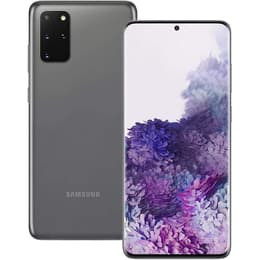
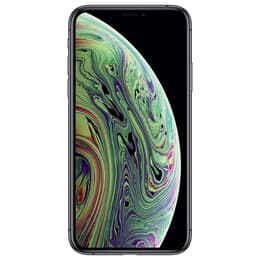
The Samsung Galaxy S20 Plus 5G, released in March 2020, and the iPhone Xs, launched in September 2018, represent different generations and ecosystems in the smartphone landscape. While both offered premium experiences at their respective launches, the Galaxy S20 Plus 5G arrived with more contemporary features like 5G connectivity and a high refresh rate display, whereas the iPhone Xs focused on a refined user experience within Apple's iOS ecosystem. These devices cater to users with distinct preferences for operating systems and hardware capabilities.
Colour
Storage
When considering the long-term usability of these devices, their release timelines and subsequent software support are key factors.
Year of Release
Compatible with latest Update
OS
Foldable
The performance of a smartphone is crucial for daily tasks, from app usage to demanding games and multitasking.
The display is a primary interface for any smartphone, and both devices offer distinct visual experiences.
Resolution
Screen type
Camera capabilities are a key consideration for many users, and both phones offer strong photographic performance.
Main camera
Front camera
Beyond core features, several practical elements contribute to the overall user experience and device utility.
Weight
Screen size (in)
Network
SIM card
Carrier compatibility
Connector
The Samsung Galaxy S20 Plus 5G and the iPhone Xs, while both premium devices, offer experiences tailored to different user priorities and operating system preferences. Users often praise the Galaxy S20 Plus 5G for its expansive, high-refresh-rate display, versatile camera system, and the inclusion of 5G connectivity, which was a forward-looking feature at its release. Some common concerns for the S20 Plus 5G have included battery drain when utilizing the 120Hz refresh rate and 5G simultaneously, and regional variations in processor performance.
The iPhone Xs is frequently lauded for its consistent performance, robust build quality, and the intuitive, long-supported iOS ecosystem. Its camera, particularly with Smart HDR, was well-regarded for producing high-quality images. User feedback sometimes pointed to its battery life being less enduring compared to larger contemporary models, and the smaller screen size might not appeal to all users.
Users prioritizing a larger, smoother display, expandable storage, and the latest cellular connectivity (5G) may find the Galaxy S20 Plus 5G well-suited to their needs. This device is ideal for those who enjoy media consumption, mobile gaming, and the flexibility of the Android operating system. Conversely, users who value a compact form factor, a highly optimized software experience with consistent updates, and a strong emphasis on security and privacy might lean towards the iPhone Xs. It remains a solid choice for those deeply integrated into the Apple ecosystem or who prefer its straightforward user interface.
Both models, available as quality-assured refurbished options, present an eco-friendly alternative for consumers seeking capable smartphones without purchasing new. The decision ultimately rests on individual preferences for operating system, display characteristics, camera versatility, and connectivity needs.