
iPhone

Compare models
Differences at a glance
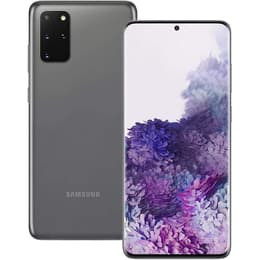
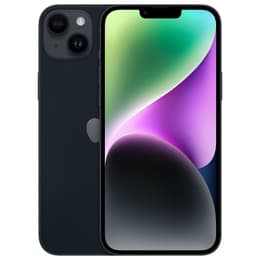
The Samsung Galaxy S20 Plus 5G, released in early 2020, and the Apple iPhone 14 Plus, launched in late 2022, represent different approaches to large-screen smartphone design from their respective manufacturers. While both devices offer expansive displays and robust performance, they diverge significantly in their operating systems, camera philosophies, and display technologies. The Galaxy S20 Plus 5G operates on the Android platform, offering a customizable experience, whereas the iPhone 14 Plus runs on iOS, known for its integrated ecosystem and streamlined user interface.
Colour
Storage
The practical lifespan of a smartphone is influenced by its release timeline, software support, and physical durability. These two devices, separated by over two years in their initial release, offer different longevity prospects.
Year of Release
Compatible with latest Update
OS
Foldable
Performance in a smartphone is crucial for handling daily tasks, demanding applications, and multitasking. The core components of these devices dictate their responsiveness and efficiency.
The display is a primary interface for smartphone interaction, and both devices offer large, vibrant screens with distinct characteristics.
Resolution
Screen type
The camera systems on both smartphones are designed to capture high-quality images and videos, though they employ different hardware and software approaches.
Main camera
Front camera
Beyond core performance and display, several practical elements contribute to the overall user experience and daily convenience of these devices.
Weight
Screen size (in)
Network
SIM card
Carrier compatibility
Connector
The Samsung Galaxy S20 Plus 5G and the iPhone 14 Plus cater to users with differing priorities, reflecting their distinct operating systems and release timelines. Users often praise the iPhone 14 Plus for its exceptional battery life, robust software support, and the seamless integration within the Apple ecosystem. Its camera system, particularly with features like Cinematic Mode and Action Mode, receives positive feedback for its video capabilities and consistent image quality. Some users, however, note the 60Hz display as a point of criticism, especially when compared to many Android devices, including the S20 Plus 5G, that offer higher refresh rates. [23, 24, 27, 29, 33, 34, 41]
The Galaxy S20 Plus 5G is often lauded for its vibrant 120Hz AMOLED display, offering a smoother visual experience, and its versatile quad-camera setup, including a dedicated telephoto lens and 8K video recording. The option for expandable storage via microSD is also a significant advantage for many Android users. Criticisms sometimes revolve around the device's long-term software update commitment compared to Apple, and some users experienced varying battery performance depending on the processor variant and display settings. [28, 29, 40, 42]
For users who prioritize long-term software support, a highly optimized ecosystem, and advanced video recording features, the iPhone 14 Plus presents a compelling option. Its strong battery life and durable Ceramic Shield front also contribute to its appeal. Conversely, those who value a high refresh rate display, the flexibility of expandable storage, and a more versatile camera system with higher zoom capabilities might find the Galaxy S20 Plus 5G better suited to their needs. Both devices offer a quality experience, and choosing between them often comes down to personal preference for either the iOS or Android platform, and specific feature priorities. For those considering a quality-assured refurbished option, both models are available, providing a sustainable choice for acquiring advanced smartphone technology.