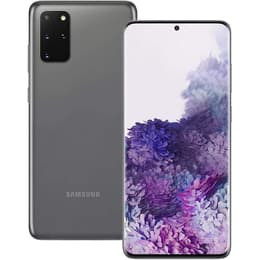



Galaxy S20+ 5G Vs Google Pixel 7 Pro

Galaxy S20+ 5G
Galaxy S20+ 5G
Starting at

Refurbished price:191.00

Versus €590.00 new

See options
Google Pixel 7 Pro
Google Pixel 7 Pro
Starting at

Refurbished price:201.00

Versus €640.98 new

See options

Ratings

The Samsung Galaxy S20 Plus 5G, released in 2020, and the Google Pixel 7 Pro, launched in 2022, are both premium Android smartphones that offered advanced features at their respective times of release. While the Galaxy S20 Plus 5G represented Samsung's flagship offering with a focus on hardware versatility, the Pixel 7 Pro showcases Google's advancements in computational photography and a more integrated software-hardware experience. Both devices run on the Android operating system, though with different user interfaces and update policies.

Scores

Durability

The practical lifespan of a smartphone is often influenced by its release timeline, software support, and physical durability.

  • Release Timeline: The Samsung Galaxy S20 Plus 5G was released in March 2020, making it a device from an earlier generation. The Google Pixel 7 Pro, launched in October 2022, benefits from a more recent release, offering a newer foundation for its operational life.
  • Software Longevity: The Galaxy S20 Plus 5G received major Android updates for approximately three years, concluding its official software support around March/April 2025. This means it no longer receives new Android versions or security patches. In contrast, the Pixel 7 Pro is guaranteed to receive Android OS updates for three generations (up to Android 16) and security updates until October 2027, providing a significantly longer period of official support. [12, 15, 31, 35, 37, 39]
  • Repairability: The Galaxy S20 Plus 5G received a repairability score of 3 out of 10 from iFixit, indicating challenges in battery replacement and rear glass removal due to strong adhesives. [36, 38] The Pixel 7 Pro scored 5.5 out of 10 in repairability, with screen replacements being relatively straightforward but battery replacement requiring careful handling due to adhesive, and the charging port being soldered to the motherboard. [1, 6, 7, 8, 13] Both devices feature IP68 dust and water resistance, contributing to their overall physical resilience. [5, 23, 43]

Year of Release

2020

2022

Compatible with latest Update

No

Yes

OS

Android

Android

Foldable

No

No

Performance

Performance in smartphones is determined by the interplay of the processor, RAM, and software optimization, impacting daily responsiveness and handling of demanding applications.

  • Processing Power: The Galaxy S20 Plus 5G is powered by either the Exynos 990 or Snapdragon 865 processor, depending on the region. [4, 23, 43] These chipsets were top-tier at its release, capable of handling multitasking and graphically intensive games smoothly. The Pixel 7 Pro features Google's Tensor G2 chip, designed with a focus on artificial intelligence and machine learning tasks, which enhances features like speech recognition and image processing. [3, 5, 11, 16, 17, 25]
  • System Responsiveness: Both devices offer a fluid user experience for everyday tasks. The Pixel 7 Pro's Tensor G2 processor is optimized for Google's Android ecosystem, contributing to quick app launches and efficient navigation. The Galaxy S20 Plus 5G, with its robust processor and 12GB of RAM, also provides a responsive experience, though its older architecture may show more strain with the latest, most demanding applications compared to the newer Pixel. [4, 11, 23]
  • Battery Behavior: The Galaxy S20 Plus 5G includes a 4500 mAh battery, which generally provides a full day of use, though enabling the 120Hz display refresh rate can noticeably reduce battery longevity. [24, 26, 28, 33] The Pixel 7 Pro has a larger 5000 mAh battery. User experiences with the Pixel 7 Pro's battery life are mixed, with some reporting 6-8 hours of screen-on time with mixed usage, while heavy camera use or consistent 5G connectivity can lead to faster drain. [9, 14, 16, 18, 27]

Memory (GB)

8 GB

12 GB

Screen quality

The display is a primary interface for smartphone interaction, with technology, resolution, and refresh rate significantly influencing the visual experience.

  • Display Technology and Resolution: The Samsung Galaxy S20 Plus 5G features a 6.7-inch Dynamic AMOLED 2X display with a resolution of 1440x3200 pixels, offering sharp visuals and vibrant colors. [4, 22, 23, 29] The Google Pixel 7 Pro also has a 6.7-inch display, utilizing LTPO AMOLED technology with a resolution of 3120x1440 pixels, providing comparable clarity and color reproduction. [2, 3, 5, 16, 17]
  • Refresh Rate and Smoothness: Both devices offer a high refresh rate for smoother scrolling and more fluid animations. The Galaxy S20 Plus 5G supports a 120Hz refresh rate, though this is typically limited to FHD+ resolution, with QHD+ defaulting to 60Hz. [23] The Pixel 7 Pro features an adaptive 120Hz refresh rate, which can dynamically adjust between 10Hz and 120Hz to optimize for content and conserve battery. [2, 5]
  • Brightness and Viewing Experience: Both phones provide excellent brightness levels suitable for outdoor visibility. The Pixel 7 Pro's LTPO technology allows for more efficient power consumption while maintaining a high refresh rate, contributing to a consistently smooth viewing experience. [2, 5] The Galaxy S20 Plus 5G's Dynamic AMOLED 2X panel also delivers strong contrast and deep blacks. [23]

Resolution

1440 x 3200

1440 x 3120

Screen type

Dynamic AMOLED 2X

LTPO AMOLED

Audiovisual

Camera capabilities are a significant factor for many users, encompassing hardware, software processing, and overall image and video quality.

  • Rear Camera Systems: The Galaxy S20 Plus 5G features a versatile quad-camera setup, including a 12MP wide lens, a 64MP telephoto lens with 3x hybrid optical zoom, a 12MP ultrawide lens, and a DepthVision sensor. [4, 23, 40, 43] The Pixel 7 Pro offers a triple-camera system with a 50MP wide lens, a 48MP telephoto lens providing 5x optical zoom, and a 12MP ultrawide lens with autofocus that supports macro photography. [5, 10, 11, 16, 19, 20, 21]
  • Photography Performance: The Galaxy S20 Plus 5G is known for capturing detailed and vibrant photos, performing well in various lighting conditions, including improved low-light performance compared to its predecessors. [30, 42, 44, 45] The Pixel 7 Pro excels in still photography, particularly with its computational photography, producing consistently excellent images with strong dynamic range and impressive low-light capabilities. [10, 19, 20, 21, 27] Its ultrawide camera also offers a macro mode for close-up shots. [21]
  • Video Recording and Audio: The Galaxy S20 Plus 5G supports 8K video recording at 24fps and 4K at 30/60fps, offering good video quality with optical image stabilization. [23, 24, 40] The Pixel 7 Pro records video at 4K resolution at 30 or 60 frames per second, with users noting significant improvements in video stabilization and overall quality compared to previous Pixel models. [10, 11, 19] Both devices feature stereo speakers, providing a more immersive audio experience for media consumption. [5, 23]

Main camera

12 megapixels

50 megapixels

Front camera

10 megapixels

10.8 megapixels

Miscellaneous

Beyond core specifications, several practical features and design elements contribute to the overall user experience and device utility.

  • Connectivity and Ports: Both smartphones support 5G connectivity, offering faster mobile data speeds. The Galaxy S20 Plus 5G includes Wi-Fi 6 and Bluetooth 5.0. [23, 43] The Pixel 7 Pro features newer Wi-Fi 6E and Bluetooth 5.2 standards, providing potentially faster and more stable wireless connections. [5] Both devices utilize a USB-C port for charging and data transfer and lack a 3.5mm headphone jack. [5, 23]
  • Security and Biometrics: For secure access, both phones incorporate an in-display fingerprint sensor and support face recognition. [4, 16] The Pixel 7 Pro's biometric security is integrated with its Tensor G2 chip for enhanced processing. [16]
  • Build Materials and Handling: The Galaxy S20 Plus 5G features a glass front and back (Gorilla Glass 6) with an aluminum frame, weighing 188g. [23, 43] The Pixel 7 Pro also uses a glass front (Gorilla Glass Victus) and back with an aluminum frame, but is slightly heavier at 212g. [17, 25] The dimensions of both phones are similar, offering a large screen experience that may require two-handed use for some. [23, 25]

Weight

188 g

212 g

Screen size (in)

6.7

6.7

Network

5G

5G

SIM card

Physical SIM + eSIM

Physical SIM + eSIM

Carrier compatibility

Unlocked

Unlocked

The Samsung Galaxy S20 Plus 5G and the Google Pixel 7 Pro cater to slightly different user priorities, largely due to their respective release dates and design philosophies. User feedback for the Galaxy S20 Plus 5G often praised its vibrant display, versatile camera system, and overall premium build at the time of its launch. Some criticisms included the impact of the 120Hz refresh rate on battery life and its relatively short software support window compared to newer devices. [24, 26, 28, 31, 33]

The Google Pixel 7 Pro is frequently lauded for its exceptional still photography, particularly its low-light performance and advanced computational features. Users also appreciate its clean Android experience and longer software update commitment. However, some common concerns have been noted regarding its video recording quality, which some users found disappointing with noticeable sharpening and choppy transitions, and mixed reports on battery longevity under heavy use. [9, 14, 19, 20, 21, 27]

Users prioritizing a device with a longer guaranteed software update timeline and cutting-edge computational photography, especially for stills, may find the Google Pixel 7 Pro well-suited to their needs. Its more recent release also means it benefits from newer hardware and connectivity standards. Conversely, users who value a device with a proven track record for hardware versatility and a slightly lighter build, and who are comfortable with an older software ecosystem, might consider the Galaxy S20 Plus 5G. Both devices, when purchased as a quality-assured refurbished option, offer an eco-friendly alternative for consumers seeking premium smartphone features.


See all articles

Our recent comparisons