

Galaxy S20 FE Vs iPhone 13 Pro Max

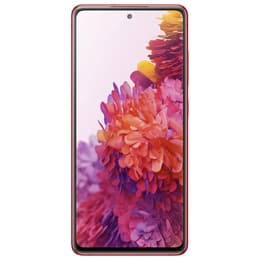
Galaxy S20 FE
Galaxy S20 FE
Starting at

Refurbished price:151.00

Versus €779.00 new

See options
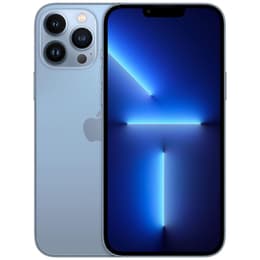
iPhone 13 Pro Max
iPhone 13 Pro Max
Starting at

Refurbished price:372.00

Versus €1,249.00 new

See options

Ratings

The Samsung Galaxy S20 FE, released in October 2020, and the Apple iPhone 13 Pro Max, launched in September 2021, represent different approaches to high-end smartphone design and functionality. While the Galaxy S20 FE offers a feature-rich Android experience, the iPhone 13 Pro Max provides Apple's premium iOS ecosystem. Key differentiators include their operating systems, display technologies, and camera capabilities, catering to distinct user preferences.

Scores

Durability

When considering the long-term usability of these devices, their release timelines and software support are important factors. The Galaxy S20 FE was released in October 2020, while the iPhone 13 Pro Max followed in September 2021.

  • Software Updates: The iPhone 13 Pro Max, being a newer device, is expected to receive major iOS updates for a longer period, potentially extending its software longevity well into the future, with compatibility up to iOS 26. The Galaxy S20 FE launched with Android 10 and received updates up to Android 13, with some sources indicating potential for Android 15.0, suggesting its major OS update cycle is nearing its end.
  • Practical Lifespan: Both devices offer robust build quality, with the iPhone 13 Pro Max featuring a Ceramic Shield front cover and a stainless steel frame, contributing to its durability. The Galaxy S20 FE features Gorilla Glass 3 for screen protection and an IP68 rating for water and dust resistance, similar to the iPhone. Users seeking the longest possible software support and cutting-edge features may find the iPhone 13 Pro Max more aligned with their needs.
  • Repairability: The Galaxy S20 FE is considered moderately repairable, scoring 7.5 out of 10, with components like the battery and screen being accessible with some effort, though adhesive is used. While specific repairability scores for the iPhone 13 Pro Max were not detailed, iPhones generally require specialized tools and expertise for repairs.

Year of Release

2020

2021

Compatible with latest Update

No

Yes

OS

Android

iOS

Foldable

No

No

Performance

The performance of both smartphones is designed to handle demanding tasks, though they achieve this through different hardware architectures. The iPhone 13 Pro Max is equipped with a more recent-generation processor, while the Galaxy S20 FE utilizes a capable processor from its release year.

  • System Responsiveness: The iPhone 13 Pro Max delivers exceptionally fluid performance, handling intensive applications and multitasking with ease, attributed to its efficient processor and optimized software. The Galaxy S20 FE also provides a smooth user experience for everyday tasks and gaming, though some users reported occasional minor lag when exiting apps.
  • Battery Behavior: The iPhone 13 Pro Max is recognized for its extended battery life, often lasting up to two days with typical usage and offering over 18 hours of video playback. It supports fast wired charging up to 27W and 15W MagSafe wireless charging. The Galaxy S20 FE, with its 4500 mAh battery, also provides excellent endurance, with reviews indicating over 13 hours of video playback and often lasting a full day or more with moderate use. It supports 25W fast charging, 15W wireless charging, and 4.5W reverse wireless charging.
  • Storage and Multitasking: Both devices offer various internal storage options, with the iPhone 13 Pro Max available up to 1TB and the Galaxy S20 FE up to 256GB. The Galaxy S20 FE uniquely offers expandable storage via a microSD card, providing flexibility for users who require additional space for media and files.

Memory (GB)

6 GB

6 GB

Screen quality

Both smartphones feature high-quality displays, but they differ in technology and specific characteristics that impact the viewing experience. The iPhone 13 Pro Max utilizes an advanced OLED panel, while the Galaxy S20 FE features a Super AMOLED display.

  • Display Technology and Clarity: The iPhone 13 Pro Max boasts a 6.7-inch Super Retina XDR OLED display with a resolution of 2778 x 1284 pixels, resulting in a sharp 458 pixels per inch (ppi). This OLED technology delivers deep blacks and vibrant colors. The Galaxy S20 FE features a 6.5-inch Super AMOLED display with a resolution of 1080 x 2400 pixels, offering 407 ppi, which also provides clear and colorful visuals.
  • Brightness and Refresh Rate: The iPhone 13 Pro Max includes ProMotion technology, offering an adaptive refresh rate that can scale from 10Hz to 120Hz, providing exceptionally smooth scrolling and responsiveness while conserving power. It also achieves high brightness levels, with up to 1000 nits typical and 1200 nits peak for HDR content, ensuring good visibility in various lighting conditions. The Galaxy S20 FE also features a 120Hz refresh rate, contributing to a fluid user interface, and its Super AMOLED panel offers good brightness and color reproduction.
  • Screen Size and Design: The iPhone 13 Pro Max has a slightly larger 6.7-inch display compared to the Galaxy S20 FE's 6.5-inch screen. The Galaxy S20 FE features a flat screen, which some users prefer, while the iPhone 13 Pro Max has a design with rounded corners.

Resolution

1080 x 2400

1284 x 2778

Screen type

Super AMOLED

Super Retina XDR OLED

Audiovisual

Both devices offer capable camera systems designed to capture high-quality photos and videos, though they approach imaging with different strengths and features. The iPhone 13 Pro Max emphasizes advanced computational photography and video capabilities, while the Galaxy S20 FE provides a versatile triple-lens setup.

  • Rear Camera System: The iPhone 13 Pro Max features a Pro 12MP triple-camera system, including a wide lens with a larger sensor and sensor-shift optical image stabilization (OIS), an ultrawide lens with autofocus, and a telephoto lens offering 3x optical zoom. It excels in low-light performance and offers features like Night mode portraits via its LiDAR Scanner and macro photography. The Galaxy S20 FE also has a triple rear camera setup: a 12MP wide lens with OIS, a 12MP ultrawide lens, and an 8MP telephoto lens with 3x optical zoom and OIS. Users report its main camera produces bright, punchy images with good detail.
  • Video Recording and Features: The iPhone 13 Pro Max offers advanced video capabilities, including Cinematic mode for shallow depth-of-field effects (at 1080p) and 4K video recording up to 60fps. Its stabilization is highly regarded. The Galaxy S20 FE also supports 4K video recording at 30/60fps and includes features like Single Take mode, which captures multiple formats from a single shot.
  • Front Camera and Audio: For selfies, the iPhone 13 Pro Max features a 12MP front camera, while the Galaxy S20 FE has a higher-resolution 32MP front camera. Both are capable of recording 4K video from the front camera.

Main camera

12 megapixels

12 megapixels

Front camera

32 megapixels

12 megapixels

Miscellaneous

Beyond core performance and display, several practical elements contribute to the overall user experience and differentiate these two devices. These include their physical design, connectivity options, and unique features.

  • Connectivity and Ports: Both the Galaxy S20 FE and the iPhone 13 Pro Max support 5G connectivity and Wi-Fi 6, ensuring fast wireless data speeds. The iPhone 13 Pro Max uses Apple's proprietary Lightning port for charging and data transfer, while the Galaxy S20 FE features a more universal USB-C port. The Galaxy S20 FE lacks a 3.5mm headphone jack, a common trend in modern smartphones.
  • Build Materials and Handling: The iPhone 13 Pro Max has a premium build with a stainless steel frame and a matte glass back, contributing to its substantial feel and weight of 240g. The Galaxy S20 FE, weighing 190g, features a plastic back, which can offer a different tactile experience and potentially more resistance to shattering than glass. Both devices carry an IP68 rating for water and dust resistance.
  • Sensors and Security: The iPhone 13 Pro Max relies on Face ID for biometric authentication, while the Galaxy S20 FE includes an in-display fingerprint sensor. Both devices offer a suite of sensors for various functionalities, including accelerometers, gyroscopes, and proximity sensors.

Weight

190 g

238 g

Screen size (in)

6.5

6.7

Network

4G

5G

SIM card

Dual Physical SIM

Physical SIM + eSIM

Carrier compatibility

Unlocked

Unlocked

The Samsung Galaxy S20 FE and the iPhone 13 Pro Max cater to users with differing priorities, reflecting their distinct ecosystems and design philosophies. Users often praise the Galaxy S20 FE for its balanced feature set, including its vibrant 120Hz Super AMOLED display, versatile camera system with 3x optical zoom, and expandable storage. Its strong battery life and the flexibility of the Android operating system are also frequently highlighted as positive aspects.

Conversely, the iPhone 13 Pro Max receives consistent acclaim for its exceptional battery life, often cited as one of the best in its class, and its powerful processor that ensures smooth performance across all tasks. Its ProMotion OLED display is lauded for its adaptive refresh rate and brightness, while its advanced camera system, particularly its low-light capabilities, Cinematic mode, and macro photography, are highly valued by users.

Users prioritizing a long-lasting device with a premium build, extended software support, and a highly refined camera and video experience may find the iPhone 13 Pro Max well-suited to their needs. Those who value a customizable Android experience, expandable storage, and a strong feature set at a slightly earlier release point might lean towards the Galaxy S20 FE. Both devices offer compelling experiences, and choosing between them often comes down to personal preference for operating system, specific camera features, and overall design. For those considering a more sustainable choice, exploring quality-assured refurbished options for either model can provide an eco-friendly alternative.


See all articles

Our recent comparisons